
The Benefits of Cat Foster Care Programs for Cats and Communities
Fostering cats is not only a noble act of kindness but also vital for addressing the overpopulation crisis in shelters. Cat foster care programs provide temporary homes for homeless or abandoned felines, allowing shelter and rescue organizations to free up space. By participating in these programs, individuals can provide personalized attention, helping the animals adapt to living in a home environment. This leads to better socialization, making them more adoptable. Moreover, fostering cats can be a profoundly rewarding experience for the volunteers, forming strong connections with the cats they care for. This facilitates easier adoption transitions and improves the chances that the cats will find loving, forever homes. Many foster care programs offer support and resources to help with costs, such as food and supplies. In this way, foster families contribute significantly to the welfare of cats and help alleviate the burden on local shelters. This symbiotic relationship between fosters and shelters helps to maximize lifesaving efforts across communities. Finally, fostering cats gives each feline a second chance at life, positively impacting both the animal and the families who adopt them.
The act of fostering can significantly influence a cat’s temperament, behavior, and overall health, aligning with community goals for animal welfare. Cats that come from stressful shelter environments might exhibit anxiety and fear, impacting their ability to engage with potential adopters. Through nurturing foster homes, these cats can learn to trust humans again, assisting their psychological healing. Foster caregivers typically help cats acclimatize to everyday home life, supporting the kitties with love, attention, and socialization. Importantly, fostering prevents cats from remaining in overcrowded shelters, thereby reducing euthanasia rates. Programs often strategize on promoting fosters for special-needs cats or those requiring extra care. This includes the elderly, shy, or sick felines, who require a unique patience and understanding. By addressing these needs, foster care programs create opportunities for various cats to thrive. Community members can become engaged through fostering, creating a network of animals and advocates passionate about making a change. Overall, fostering provides innumerable advantages for both the felines and people involved, strengthening the societal fabric surrounding animal care.
Creating Strong Community Bonds through Fostering
Communities are empowered through cat foster care initiatives because they cultivate a shared mission to promote animal welfare. When individuals engage in fostering, they often form connections with fellow volunteers, forming a community of compassionate advocates dedicated to improving the lives of cats. Many foster care programs host events that galvanize community support, such as adoption days or fundraising initiatives. These gatherings help raise awareness about the importance of fostering, cat care, and animal welfare. Moreover, increased visibility can encourage more individuals and families to join as foster caregivers, expanding the program’s reach. Volunteers can share their experiences, fostering a culture of empathy between people and animals. As people see firsthand the positive impact of fostering, they may feel inspired to adopt, thus reducing homeless cat populations further. Additionally, shared experiences create a strong support network among foster families, who often rely on each other for advice, resources, and emotional assistance. This interconnectedness ultimately contributes to the creation of a compassionate and aware community.
Not only does fostering support cats in need, but it can also have many benefits for the fosters themselves. Individuals who take on the responsibility of caring for a cat tend to find immense joy in their actions, helping to manage stress levels and increase overall well-being. The simple act of playing with a cat can stimulate positive feelings, thanks to the release of endorphins and dopamine. Fostering also encourages responsibility and long-term commitment, pushing fosters to establish routines that can improve their own day-to-day lives. There are various personal growth opportunities through this experience, such as learning about animal behavior, care strategies, and socialization techniques. Additionally, fosters might gain new skills while discovering the joys of nurturing an animal. The companionship offered by a foster cat can provide emotional support during tough times, enriching the lives of both parties involved. Ultimately, fostering fosters meaningful connections while positively influencing the mental well-being of individuals. Those involved witness the progress of their foster cats, serving as a tangible encouragement that fosters a greater appreciation for animal care.
The Importance of Foster Care for Kittens
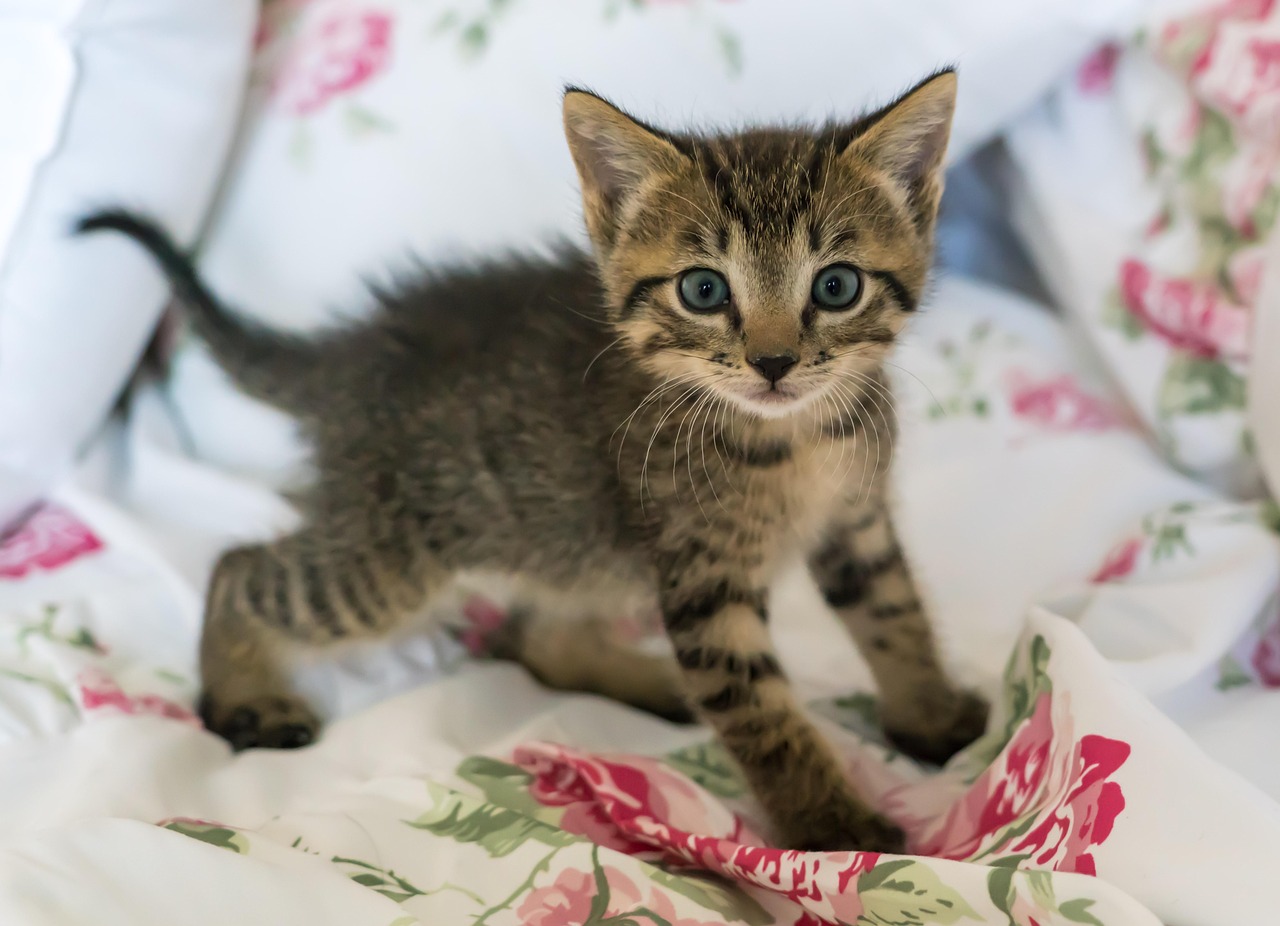
Kittens are among the most vulnerable animals who benefit immensely from foster care programs. Oftentimes, they arrive at shelters in need of special attention, and fostering provides precisely that. Young kittens require constant care, nutrition, and proper socialization to thrive. Foster families nurture these kittens in a safe environment that allows them to grow and develop into healthy, well-adjusted adult cats. Without timely intervention from foster caregivers, many kittens may face dire consequences, including illness or euthanasia if they remain in shelters. Caregivers can tailor their care to each kitten’s unique needs, ensuring proper veterinary attention and nurturing social behaviors. Kittens benefit from being raised in home settings, where they learn essential life skills and receive constant love. This thorough approach increases their chances of successful adoption into loving homes. By fostering kittens, individuals become ambassadors for animal welfare, inspiring others to volunteer or adopt. Furthermore, fostering kittens often leads to heartwarming success stories, showcasing not only the importance of these programs but also the joy that accompanies helping them find loving families.
For cat foster care programs to succeed, collaboration among various stakeholders is essential, including shelters, volunteers, and the community. Local shelters act as the backbone of these initiatives by identifying cats that need fostering, matching them with suitable homes. Foster families must receive training and ongoing support to ensure they feel equipped to handle fostering duties successfully. Clear communication between fosters, shelters, and veterinary services helps streamline the process, ensuring that the cat’s welfare remains the top priority. Community involvement is necessary to create awareness about fostering, adoption events, and donations to support the programs financially. Businesses and local organizations can sponsor events or supplies, significantly contributing to these community-based efforts. Social media platforms serve as valuable resources for promoting foster needs and encouraging community engagement. Sharing milestones of animals finding their forever homes generates enthusiasm and support within the community. The combination of collaborative efforts strengthens overall initiatives, resulting in more successful placements and happier outcomes for shelter cats. Through these partnerships, the lives of both cats and community members improve, reflecting the positive impact of fostering.
Conclusion: A Call to Action for Fostering
To summarize, cat foster care programs are essential for promoting animal welfare and creating lasting community connections. They aid in preparing cats for adoption, ultimately reducing the number of homeless and abandoned felines. By fostering cats, individuals can experience personal growth, joy, and the reward of providing a home to an animal in need. Engaging in fostering not only contributes to the lives of these animals but also strengthens community ties and promotes compassion. It is crucial to encourage more people to consider fostering as a viable option. Awareness campaigns could inform the public of its benefits and help dispel myths surrounding fostering. Together, we can create a culture that values compassion and shared responsibility for animals. Prospective fosters should reach out to local shelters to inquire about available opportunities and resources. Anyone interested can start fostering cats today, becoming an integral part of a larger movement focused on improving the lives of animals. The responsibility is shared, and every effort counts, ultimately changing lives and enriching communities through fostering initiatives.