
Why Some Cat Breeds Hide More Than Others
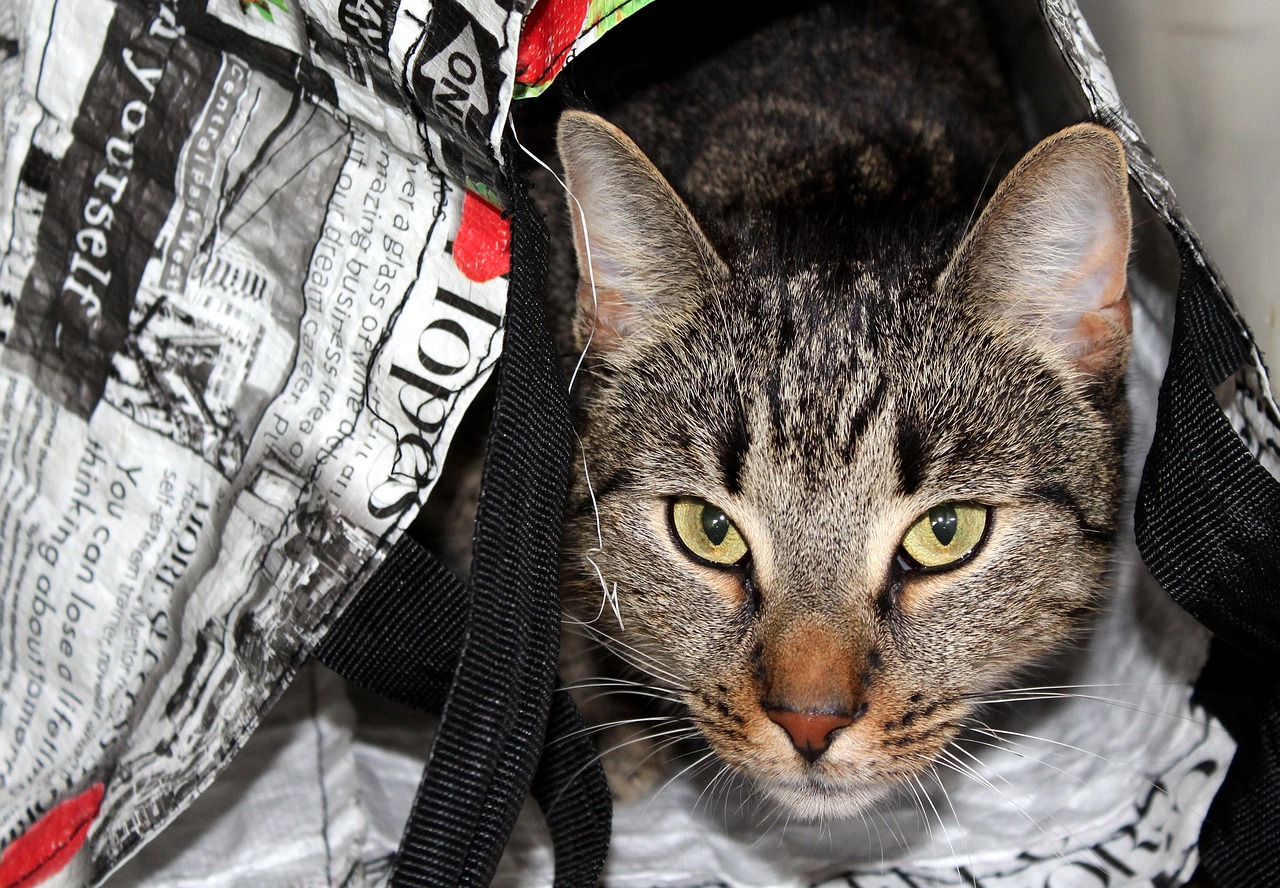
Understanding why some cat breeds exhibit a tendency to hide more than others involves multiple factors. Each breed possesses distinct characteristics influenced by genetics, environment, and temperament. For instance, breeds like the Abyssinian and Bengal are known for their adventurous spirit, often preferring to explore the space around them rather than retreating into hiding spots. In contrast, the Persian and Ragdoll breeds may exhibit quieter natures, making them more inclined to seek out secluded areas for comfort. Additionally, evaluating a cat’s upbringing is essential; those raised in a stimulating environment might feel more secure and less inclined to hide. Meanwhile, a cat that experiences stress or perceived threats may choose to conceal itself as an instinctual survival mechanism. Factors affecting cats’ environments, such as changes in household dynamics or the introduction of new pets, can also influence hiding behavior significantly. Based on these observations, it is crucial for potential cat owners to research breed-specific behaviors and choose a breed that aligns with their lifestyle while considering how to create a supportive environment for their new feline friend, fostering comfort and confidence.
Another contributing factor to the hiding behavior in cats relates directly to their socialization patterns. Socialization is pivotal during a cat’s early development stages. Kittens that are exposed to various environments and experiences typically develop into more outgoing adults, while those kept in limited settings may retain a more timid demeanor, leading to increased hiding. Specific cat breeds reflect these patterns; for example, the Maine Coon is often viewed as social and outgoing, frequently seeking interaction, while the British Shorthair may prefer solitude. Each breed’s distinct lineage plays a role in shaping these social tendencies. Additionally, an adverse experience such as trauma can lead to anxious behaviors, perpetuating a cycle of fear that encourages hiding as a coping mechanism. This highlights the importance of providing a secure and nurturing atmosphere. Giving cats plenty of opportunities for positive interactions can potentially reduce the likelihood of hiding. Understanding the impact of breed and socialization on behavior can empower cat owners to create suitable living situations, thereby enhancing their feline companions’ overall well-being and happiness.
The Role of Environment in Hiding Behavior
Environmental factors also significantly contribute to the frequency with which cats choose to hide. Tranquility in a cat’s environment is crucial for its comfort and sense of security. A loud household with constant disruptions can lead to anxiety, which may provoke hiding behaviors as a means of coping with stress. Cats, inherently skittish creatures, thrive in calm settings where they feel secure. Certain breeds, such as the Sphynx, may react to environmental changes with curiosity or exploration rather than retreating. In contrast, breeds like the Scottish Fold might prefer quiet corners, emphasizing their need for a secluded den-like space. Providing safe zones in your home, such as cozy beds or designated quiet areas, can encourage feline confidence. Additionally, introducing interactive toys can create stimulating environments that distract them from stressors, helping mitigate the stress that drives them to hide. A comprehensive assessment of the home environment is essential to ensure it meets the specific emotional and physical needs of your cat, ultimately resulting in a happier, more confident pet that is less likely to hide.
The emotional state of cats plays a crucial role in governing their behavior, including their inclination to hide. Anxiety levels can vary greatly among different breeds; for instance, the sensitive nature of the Burmese breed can make them particularly prone to anxiety-related hiding. Conversely, breeds like the Norwegian Forest Cat often display a more robust temperament. To promote a more relaxed mindset among anxious breeds, it is imperative for owners to be attentive and proactive, establishing routines and providing enriching experiences. Regular playtimes can help alleviate stress while building trust between cats and their owners. Behavioral signs of anxiety can manifest as scratching, excessive grooming, or hiding, indicating that a cat may require intervention. Understanding these signs fosters better communication between the cat and owner, leading to enhanced relationships. A low-stress environment is vital for any cat, which is often supported by proper training and socialization. Owners should consider integrating calming products such as pheromone diffusers and ensuring their cats have multiple vertical spaces for exploration and comfort, intertwining safety with stimulation.
Physical Health and Hiding Behavior
Physical health issues can also significantly contribute to a cat’s propensity to hide. If a cat feels unwell or is in pain, it may instinctively withdraw from its surroundings. Certain breeds, due to genetic predispositions, are more prone to specific health issues, leading them to exhibit these hiding behaviors. For instance, the Siamese breed may be prone to respiratory problems due to its facial structure, which may drive them to retreat and seek solitude when they feel unwell. Regular vet check-ups are essential in early diagnosis and treatment of conditions that can cause discomfort or pain. Observing changes in a cat’s behavior can also provide vital clues for potential health issues; for instance, if your typically social cat starts spending more time alone, it may signify a health concern. Identifying the reasons behind a cat’s atypical behavior can help ensure their long-term well-being. In this way, proper monitoring and intervention can lead to healthier and happier cats while providing peace of mind for their owners.
Furthermore, a cat’s breed may influence its natural instincts, which plays a role in hiding. Breeds like the Russian Blue are often more reserved and cautious and may hide as a natural expectation to survive in the wild. In these cases, hiding can be rooted in ingrained behavior from their ancestors. Comparatively, Persian or Bengal breeds, which were bred for companionship, often display more sociable dispositions. This difference highlights the diverse lineage and evolution of modern cat breeds. Understanding the behaviors associated with different breeds can assist owners in making informed decisions when welcoming a new feline companion into their homes. Cats who may hide out of instinct may not do so out of fear, thus requiring different approaches regarding comfort and stimulation. Owners should recognize this instinctual aspect and provide a loving, secure home that embraces their cat’s natural tendencies. Learning how each breed interacts with its environment helps in crafting balanced living spaces that foster both comfort and engagement, contributing to the overall happiness of your feline friend.
Supporting Your Cat’s Needs
To effectively address and support cats that tend to hide, owners should focus on delivering appropriate enrichment that promotes confidence and exploration. By providing stimulating toys, engaging interactions, and safe spaces, cats can feel empowered to venture out from their hiding spots. Regularly scheduled playtime can positively impact their temperament and encourage trust-building between pet and owner. For example, offering puzzle toys for mental stimulation may entice them to emerge from hiding. Additionally, understanding the individual personality traits of your specific breed helps tailor these activities successfully. Outdoor enclosures can offer a safe environment where they can observe their surroundings, satisfying their curiosity without jeopardizing their safety. Creating a multi-layered environment that features elevated spaces for climbing and new vantage points can also significantly reduce hiding. Owners can also establish routines, as predictability often comforts cats. Moreover, a supportive environment should be enriched with textures and materials that provide comfort, such as soft bedding and hiding spots. This insight will enhance the overall quality of life for cats, ensuring they feel secure while thriving in their surroundings.
In summary, various factors influence the propensity for cats to hide, which includes breed characteristics, environmental conditions, socialization, emotional well-being, and physical health. To fully understand and support your cat’s behavior, recognizing the intricacies each breed brings to interactions with their environment is essential. Being aware of predispositions toward anxiety urges owners to foster their comfort while maintaining their quality of life. By creating a nurturing habitat, managing stressors, and promoting mental stimulation, caregivers can cultivate an enriching space that caters to each cat’s individual needs. As a result, this thoughtful and proactive approach can help minimize the instinctual need for hiding. Today, potential cat owners should take the time to research different breeds while considering their lifestyle, as choosing the right match is vital for both the well-being of cats and the enrichment of their homes. Embracing the unique qualities that each breed presents is not only rewarding but also essential for fostering a holistic connection with your feline companion. In doing so, owners may better appreciate the division between behaviorally inclined hiding and instinct-driven behavior, ultimately improving the bond with their cats.