
Shooting Dog Sports Indoors: Overcoming Lighting Challenges
Shooting dog sports photography indoors presents unique challenges, primarily due to lighting conditions that can be less than ideal. Unlike outdoor events, where natural light often illuminates the scene beautifully, indoor arenas can be dim and require specific techniques to capture the action. Understanding how to leverage available light or utilize flashes effectively is critical. One key aspect to consider is the type of lighting in the venue. Whether it’s fluorescent, overhead, or natural coming through windows, each type presents different challenges. Furthermore, shooting at higher ISO settings can make a significant difference, allowing the camera to pick up finer details. Be wary, though, as higher ISO settings can introduce noise. Experimenting with a fast aperture setting can help create a blurred background, emphasizing the subject. Additionally, dog agility and obedience competitions require not only quick reflexes but also knowledge of the sport itself to anticipate moments worth photographing. Familiarize yourself with various dog breeds and their behaviors. Planning the shoot with a clear understanding of competition flow will enhance your photography experience.
One essential factor in overcoming lighting challenges is mastering your camera settings. Understanding aperture, shutter speed, and ISO will greatly influence your ability to capture sharp images in low light. Set your camera to manual mode and adjust these settings together to optimize for different scenarios. A larger aperture allows more light, but if your shutter speed drops too low, you risk motion blur. Striking the right balance is crucial for achieving the desired effect. Additionally, using continuous shooting mode might be beneficial in fast-paced environments. This setting captures multiple frames per second, increasing the chances of getting that perfect shot. Prioritize focusing on the dogs’ movements, as their expressions and actions tell a story. Use burst mode for dynamic sequences, as you can choose the best image from several frames. Having the right lens is also vital. A fast prime lens is preferred for indoor sports. These lenses handle low light exceptionally well and allow for quick autofocus. Additionally, consider your position and angle relative to the action for creating compelling, dynamic shots that capture the spirit of the event.
Utilizing Flash and Reflectors
Techniques for overcoming indoor lighting challenges can include using a flash or reflectors. A flash can offer additional light without resulting in washed-out images if used wisely. Be mindful of your flash settings; utilizing diffusers can soften the light, which reduces harsh shadows and creates more appealing images. Aim to bounce your flash off ceilings or walls to create softer lighting that fills in shadows without making the shot look artificial. Having external flash gear allows for more creative lighting options. In contrast, reflectors are effective in directing available light onto your subject. They come in various colors, such as gold or silver, signaling different effects. Experimenting with location and angles when using reflectors can lead to fascinating results. Proper preparation can elevate your indoor dog photography, enhancing your images with well-exposed details and vibrant colors. Consider investing in a lightweight reflector that you can easily bring to an event. Remember, practicing these techniques can enhance your ability over time. Test your lighting setups before the event and learn how each setting affects your images for the best impact during the actual shoot.
When shooting dog sports indoors, timing plays a crucial role that dictates success. Whether it’s capturing a split-second leap or an enthusiastic bark, anticipating the right moment is key. Familiarize yourself with the competition rules to understand when action occurs. Watching the dogs closely allows you to anticipate their movements. This knowledge enables you to press the shutter at just the right time, resulting in dynamic images that convey energy and excitement. Equally, positioning yourself strategically is vital. Identify the best vantage points, focusing on areas where action is consistent. Photographing from a low angle can heighten engagement, making the dog appear larger and accentuating the action. Don’t forget to experiment with composition; sometimes, isolating the dogs against a neutral background can drastically improve your shot. Make use of leading lines or the rule of thirds to create balance and visual interest in your frames. Moreover, patience remains an essential part of this craft. It might take several tries to capture the perfect photograph in these challenging environments. Stay persistent and ready to adapt to varying conditions while keeping an open mind to unique perspectives.
Capturing Emotion and Action
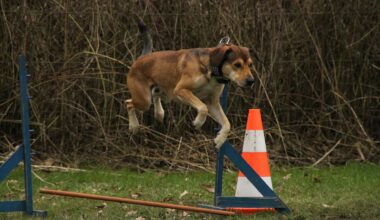
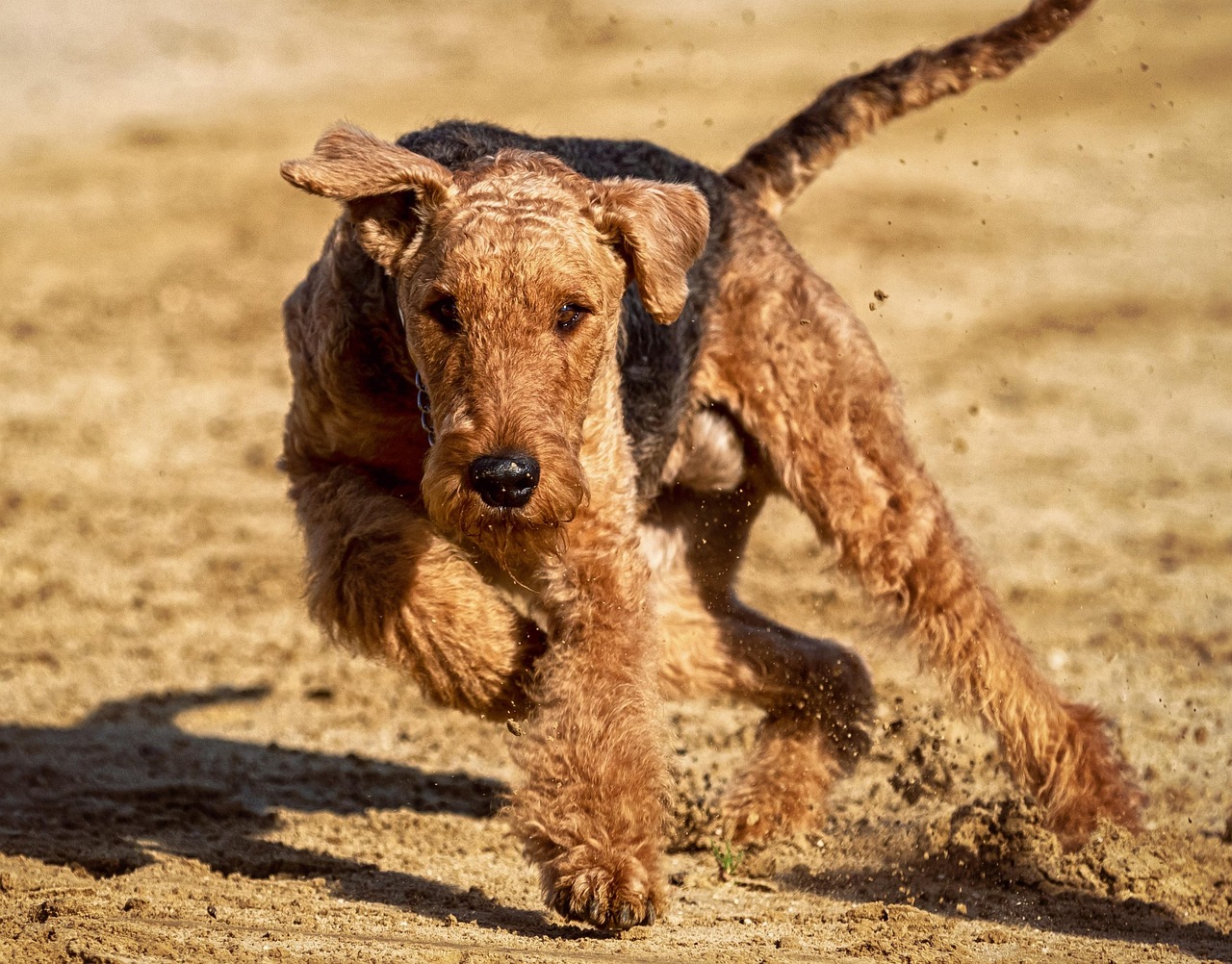
Emphasizing emotional moments during dog sports photography can dramatically enhance viewer engagement. Dogs are expressive creatures, and their faces can convey a wide range of feelings from joy to determination. Aim to capture their expressions while competing, which tells a story worth sharing. The excitement of dogs competing creates thrilling, heartwarming moments that resonate with audiences. Close-up shots of a dog mid-jump or focusing intently on its handler can evoke powerful emotions. Similarly, capturing the bond between handler and dog also adds depth to your images. As you photograph, be observant of interactions right before and after a performance, as these candid moments reveal the essence of the sport. Additionally, high-speed photography allows you to freeze action in midair for exceptional results. Utilizing burst mode also supports this pursuit, enabling you to take rapid successive shots. Plus, the inclusion of the audience can enhance the narrative of the events, highlighting enthusiasm and support. Reflections of the excitement, joy, and anticipation found in both dogs and their companions shape an impactful series of images that will be cherished by participants.
Post-processing is often where great dog sports photographs truly come to life after a shoot. Editing software such as Adobe Lightroom or Photoshop allows you to adjust brightness, contrast, and colors to match your creative vision. While shooting in RAW format enables flexibility during editing, as these files contain more data than JPEGs. You will find that RAW images can withstand extensive edits while maintaining quality, giving maximum control over the final photograph. Start with color correction, as lighting indoors can often lead to unwanted color casts. Make sure to enhance shadows and highlights for more definition in your images. Crop your pictures if necessary to enhance compositional elements as needed. As you develop editing skills, consider applying subtle effects to draw focus on dogs, like adding slight vignetting. Don’t forget that less is often more when editing; aim for a natural look without over-processing your images. Remember, each photograph should tell a story and represent the excitement of the moment you captured. The result will not only attract dog lovers but also potential clients who appreciate your artistic vision and skill.
Sharing Your Dog Sports Photography
Sharing your dog sports photography is essential to reach a wider audience and connect with fellow enthusiasts. Social media platforms, such as Instagram or Facebook, are fantastic for showcasing your work. Using appropriate hashtags will help your photographs gain visibility among dog sports communities. Likewise, consider joining local dog sports clubs or online forums to share your images. Networking within these communities can lead to new opportunities and collaborations. Create an online portfolio to showcase your work, providing potential clients with an avenue to explore your capabilities. A personal website also elevates your professional appearances and can encourage clients to commission shoots. When sharing photos online, ensure that your images are appropriately sized and optimized for the platform used. This will maintain high quality while maximizing loading speed. Additionally, engage with your audience by responding to comments and feedback, reinforcing positive interactions that lead to strong community ties. You might also consider offering helpful tips or personal insights about dog sports photography in your posts, enhancing both your credibility and reputation. As you share your passion, your photography might inspire others to explore this rewarding realm of creativity.
In conclusion, mastering indoor dog sports photography involves technical skills and a good understanding of the dogs and their movements. Embracing the challenges presented by lighting will significantly enhance your images over time. Apply the techniques discussed above, from understanding your camera settings to utilizing advanced lighting solutions. Above all, practice persistence, patience, and embrace a passion for capturing these dynamic events. Remember, it’s not only about the technical aspects but also about capturing the essence of the sport and the relationships between dogs and their handlers. Every photograph should tell a unique story that brings out the thrill and emotion of the occasion. As you hone your skills, you will gain confidence in various indoor environments, elevating your craft as a dog sports photographer. Ultimately, you will create compelling images that celebrate not only these incredible athletes but also the connection they share. Commit to continuous learning and experimentation, and you will find fulfillment in this remarkable niche. Moreover, sharing your work will inspire others and help you build a community around your passion for dog sports. Your journey as a photographer can lead to exciting adventures that you cherish forever.