
Tips for Grooming Dogs with Sensitive Skin
Grooming dogs with sensitive skin requires specialized care that ensures their comfort and health. Begin by identifying any specific allergies your dog may exhibit, which can come from various sources such as environmental changes or particular grooming products. Using a gentle and hypoallergenic shampoo is crucial. Look for products that are free of sulfates and parabens, as these can irritate sensitive skin. Always read labels and opt for those containing natural ingredients. Maintaining hygiene is vital as well; regular baths can help remove allergens efficiently. However, avoid overwashing your pet, as this can strip away necessary oils and exacerbate skin sensitivity. After bathing, make sure to dry your dog thoroughly, especially in hidden areas like between the paws and under the belly. A fine-toothed comb can help maintain the coat without causing discomfort. In addition, consider using a soft-bristled brush to avoid causing harm to the skin. Be patient while grooming, and if your dog shows signs of distress, take a break and offer them a comforting treat to ease their anxiety.
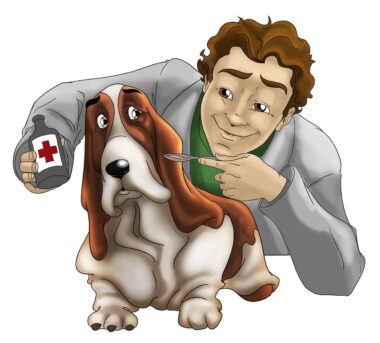
Regular veterinary consultations are indispensable in managing your dog’s sensitive skin. A vet can help determine the primary causes of skin reactions and suggest appropriate treatment protocols that include medicated shampoos or supplements containing omega fatty acids. Omega-3 and omega-6 fatty acids can significantly improve skin health and coat quality. Additionally, a balanced and nutritious diet plays a pivotal role in maintaining your dog’s overall skin condition. Consider feeding your dog high-quality food that is specially formulated for sensitive skin. Ingredients such as fish, sweet potatoes, and chicken can be more tolerable for dogs with allergies. It might also be beneficial to add omega oil supplements to their diet. Keeping your dog’s environment clean and allergen-free can further assist in reducing irritation. Wash their bedding frequently and make sure their play areas are devoid of dust and pollen. If you’re united in your approach, you can create a nurturing atmosphere that promotes healthy skin. Remember, always make any dietary changes gradually to minimize gastrointestinal upset. Observe for any reactions after changing their diet and consult a vet if necessary.
Bathing Techniques for Sensitive Skin
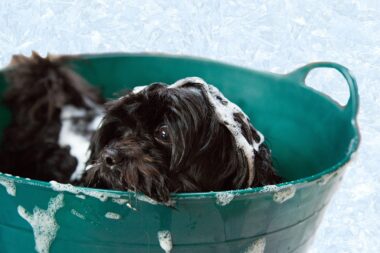
When bathing dogs with sensitive skin, it’s important to employ gentle techniques that minimize stress and irritation. First, ensure the water temperature is lukewarm; it should never be hot or icy. Use a non-slip mat in the tub to provide stability and comfort for your dog. Always ensure that your dog’s ears are protected from water, as moisture can lead to ear infections. Instead of pouring water directly from a faucet or showerhead, consider using a cup or a gentle spray attachment. Apply shampoo slowly and massage it into the coat carefully, avoiding aggressive scrubbing which could irritate the skin. Rinse thoroughly to eliminate all soap residues, which can cause itching if left. Following the wash, apply a suitable conditioner designed for sensitive skin, leaving it on for about five to ten minutes to hydrate the coat. After rinsing, gently towel-dry your dog instead of using a heat dryer that can exacerbate skin problems. If using a dryer, opt for a cool air setting. Lastly, reward your dog with praise during and after grooming to create a positive association.
Regularly trimming your dog’s coat is key to maintaining skin health and easy grooming. Long fur can trap moisture and debris, which may worsen skin issues. Use scissors or clippers designed for pets to ensure an even cut without causing discomfort. Pay special attention to areas that collect dirt and moisture, like between the toes and under the belly. Always check ears and underbelly for matting, as these areas tend to require regular attention. Grooming these areas can significantly reduce irritation and allergies. Schedule grooming sessions frequently, depending on your dog’s coat type. Use a slicker brush to remove loose hair and dirt but be gentle to avoid pulling the skin. Regular brushing can also distribute natural oils throughout the coat, enhancing its health and luster. However, if your dog shows signs of distress with grooming, consult a professional groomer experienced in handling sensitive animals. Anxiety and fear can lead to more significant behavioral issues; hence, calming techniques such as playing soothing music can help. Do not forget to routinely check for ticks or fleas, as they can also contribute to skin irritations.
Choosing the Right Products
Selecting appropriate grooming products can make a significant difference for dogs with sensitive skin. It is essential to prioritize hypoallergenic, fragrance-free, and tear-free formulas that are kind to their skin. Essential oils and natural extracts can be beneficial but should be used with caution, as not all oils are safe for pets. It’s advisable to conduct a patch test before applying any new product to a larger area; apply a small amount on your dog’s skin and wait for a few days. Keep an eye out for reactions such as redness or increased itching. You may also consider consulting your veterinarian for product recommendations tailored to your dog’s needs. This could involve discussing ingredients like oatmeal or aloe vera, known for their soothing properties. When selecting a dog conditioner, always opt for those that provide additional hydration without the harsh chemicals. Also, verify that grooming tools such as brushes and combs are designed specifically for sensitive skin, avoiding those with metal bristles. Keeping these considerations in mind promotes effective grooming while safeguarding your dog’s skin and coat health.
In addition to proper grooming products, incorporating a variety of enriching activities can help distract your dog during grooming sessions. This includes using treats, favorite toys, or chews while you groom them. Utilize positive reinforcement to create positive associations with grooming, which can help ease anxiety over time. Training your dog to accept grooming through desensitization can be beneficial; this involves gradually exposing them to the grooming process, starting with gentle brushing and moving on to clipping or bathing as they become more comfortable. Make sure to carry out these sessions in a calm environment to minimize stressors. Establishing a routine can help your dog feel secure and cooperative during grooming. Another effective approach is to involve helpful family members, ensuring everyone is comfortable handling the dog. Offer enough breaks for your dog to relax during long sessions, and always check their mood. If they are showing signs of insecurity, it’s crucial to take a step back and let them calm down. This approach not only ensures a successful grooming experience but reinforces trust between you and your furry companion.
Importance of Veterinary Care
Maintaining a consistent veterinary care schedule is key to ensuring your dog’s sensitive skin remains healthy over the long term. Regular check-ups can help identify underlying issues that might contribute to skin problems. If you notice persistent itching, redness, or unusual odor, consult your veterinarian promptly for a thorough examination. Allergies, parasites, or skin infections all require immediate attention and may involve specific treatment protocols. Your vet may use various diagnostics, including allergy tests, to determine potential triggers. Moreover, they can suggest supplements that improve your dog’s coat and skin conditions, such as those containing biotin or vitamin E. In some cases, your vet may prescribe medicated treatments like topical creams or anti-inflammatories to provide relief. Alongside dermatological care, keeping your dog’s weight and overall health in check is vital, as obesity can exacerbate skin issues. Always maintain a clean and safe living environment, optimizing your dog’s quality of life. Adopting a proactive approach in tending to your dog’s skin care will lead to happier and healthier pets.
Overall, the effort you invest in ensuring proper grooming habits and product selections can yield remarkable results. Understanding your dog’s unique needs and preferences can facilitate an enriching grooming experience. Listen to their response to various grooming techniques, adjusting as necessary to create a more pleasant environment. Equipping yourself with knowledge about proper techniques and products improves your dog’s skin health while strengthening your bond. Remember, grooming is not merely an obligation but an opportunity to connect with your dog on a deeper level. Encouraging cooperation through positive associations will make future grooming practices much more manageable. Be patient and consistent in your approach; the love and care you provide will undoubtedly reflect in your dog’s overall well-being. Finally, always keep updated on the latest trends and findings surrounding pet skincare to adapt your grooming regime accordingly. Embrace the challenges while celebrating the successes, ensuring your dog receives the best care possible. Regular grooming not only leads to improved physical health but also contributes immensely to emotional well-being, making your dog a more joyful companion.