
The Role of Turmeric Supplements in Dog Arthritis Relief
Arthritis can significantly affect the quality of life in dogs, especially as they age. Many pet owners seek effective treatments, and turmeric supplements have become popular due to their anti-inflammatory properties. Turmeric contains curcumin, which studies have shown may help in managing pain and inflammation in both humans and animals. For dogs suffering from arthritis, incorporating turmeric supplements into their diet may provide relief. However, it is essential to consult with a veterinarian before starting any supplement regimen. This ensures that the supplement is appropriate for your dog’s specific health conditions and does not interact with existing medications. The right dosage of turmeric can vary based on your dog’s weight and the severity of the arthritis. Each pet may respond differently to supplements, so monitoring their progress and overall health is crucial when adding new products. Additionally, ensuring a balanced diet filled with essential nutrients is paramount alongside supplementation. Explore the various dog-friendly turmeric products on the market, considering those that provide proper bioavailability, which can enhance absorption and effectiveness. Quality supplements might make all the difference for your furry friend’s mobility and comfort.
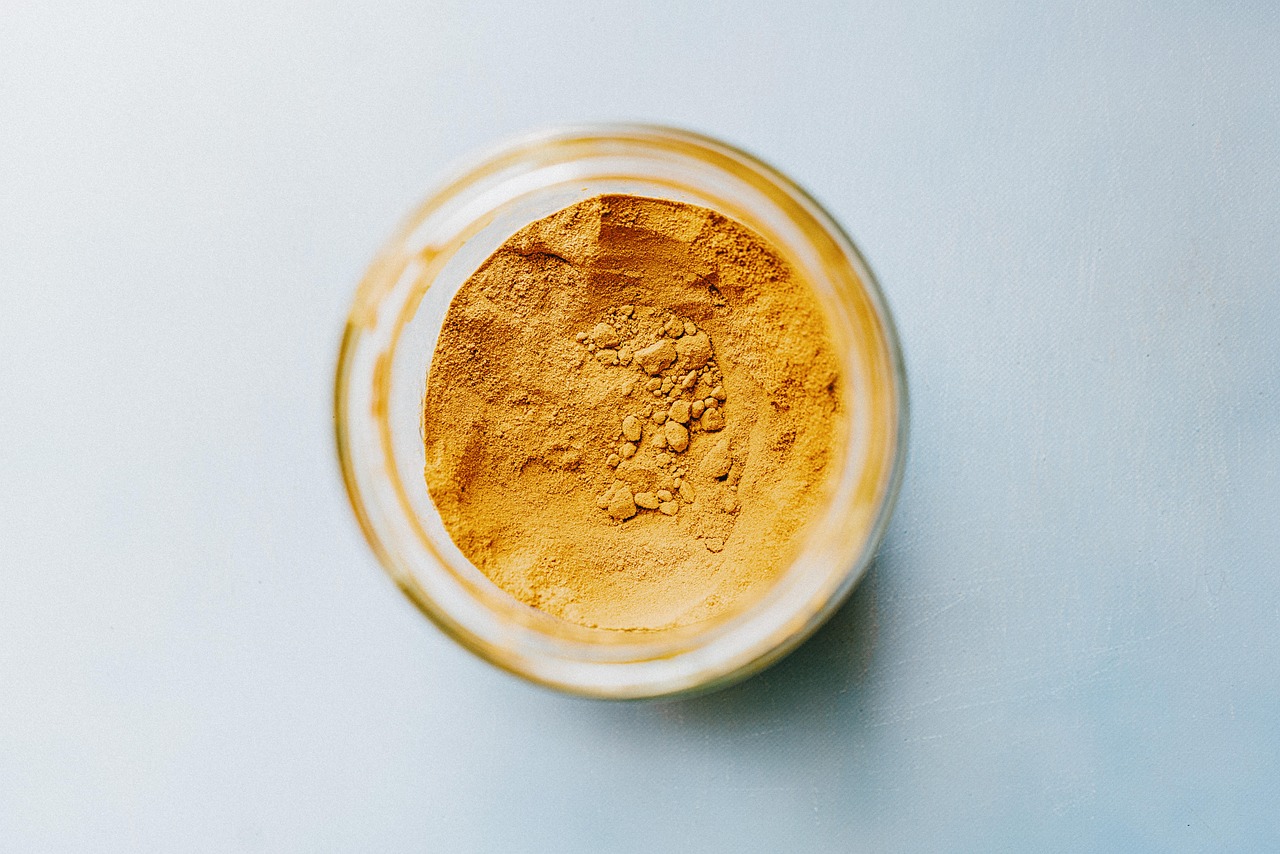
Turmeric supplements are available in various forms, including powders, capsules, and soft chews. Mixing turmeric powder into your dog’s food is a common method for providing this beneficial supplement. When choosing a product, look for high-quality options that contain a standardized amount of curcumin, ensuring potency and effectiveness. Additionally, not all turmeric supplements are created equal; some may include other beneficial ingredients such as black pepper extract, which can enhance absorption. The combination of turmeric and black pepper is believed to increase the bioavailability of curcumin, making it more effective in reducing inflammation and pain. While some dogs may enjoy the taste of turmeric mixed with food, others may be picky eaters, in which case a capsule form may be more suitable. Moreover, it’s essential to monitor your dog’s reaction to the supplement. Providing turmeric alongside their regular diet can often yield the best results, promoting overall health. Consult with a veterinarian for the appropriate dosage and frequency, optimized for your dog’s specific needs. Regular veterinary check-ups are also vital to assess the progress in managing arthritis symptoms effectively.
Nutrition plays a crucial role in managing arthritis symptoms in dogs, and turmeric can complement a holistic approach to their diet. In addition to supplements, consider feeding your dog high-quality dog food rich in essential fatty acids, vitamins, and minerals. Omega-3 fatty acids, found in fish oil, are also known for their anti-inflammatory properties. Combining turmeric with omega-3 supplements may yield a synergistic effect, further aiding in reducing joint inflammation and pain. Don’t forget the benefits of proper hydration, as water intake is essential for joint health. Ensuring your dog stays hydrated can improve their overall well-being and assist joint mobility. Also, incorporating joint-supporting nutrients like glucosamine and chondroitin into their diet can provide additional relief and protection for aging joints. Understanding your dog’s specific nutritional needs is the first step in constructing a diet plan tailored for arthritis relief. Regular exercise, balanced nutrition, and appropriate supplements will better support your dog’s health. Furthermore, pay attention to any changes in their behavior, energy level, or mobility, as these can indicate the effectiveness of your dietary adjustments.
Possible Side Effects of Turmeric Supplements
While turmeric supplements can offer numerous benefits, some dogs may experience side effects. Commonly reported issues include gastrointestinal upset, diarrhea, or an allergic reaction in sensitive individuals. It is crucial to introduce any new supplement gradually to monitor for adverse effects. Start with a small dose of turmeric and observe your dog’s reaction over time. If any discomfort arises, discontinue use and consult your veterinarian immediately. Furthermore, since turmeric can thin the blood, it may not be suitable for dogs with bleeding disorders or those undergoing surgery. Always inform your vet about any supplements your dog is taking, including turmeric, to avoid potential interactions with prescribed medications. Being aware of your pet’s overall health status is essential when considering supplements. Each dog is unique, and a personalized approach is often the best way to ensure their safety and well-being. When selecting turmeric products, research reputable brands and always follow dosage guidelines provided by your veterinarian. With the right precautions, turmeric can be a beneficial addition to your dog’s arthritis treatment plan.
Moreover, before choosing a turmeric supplement for your dog, it’s crucial to consider the source and quality of the product. Not all turmeric formulations are equal, and some may contain impurities or insufficient curcumin levels. A reliable brand will provide transparency regarding their sourcing, extraction methods, and any added ingredients. Keep an eye out for additional additives like artificial flavors or fillers that could detract from the supplement’s overall value. Look for products that utilize organic turmeric as it is less likely to contain harmful pesticides or contaminants. Reading customer reviews can also provide insight into the effectiveness of the supplement and your overall experience with that particular brand. Additionally, some turmeric products might incorporate other natural ingredients to enhance their effects on joint health. Be sure to keep an open dialogue with your veterinarian about any concerns, and don’t hesitate to ask for recommendations for quality products. This ensures that you provide your dog with the best possible supplementation for arthritis relief. A well-informed choice can significantly impact your pet’s quality of life.
Incorporating turmeric into your dog’s diet may also have additional health benefits beyond joint relief. Studies suggest that curcumin possesses antioxidant properties, which can support the immune system. By combating oxidative stress, turmeric can help maintain overall health and potentially protect against various conditions as your dog ages. Furthermore, turmeric may support heart health by improving circulation and reducing cholesterol levels. These additional advantages make turmeric a versatile supplement that could benefit many aspects of a dog’s well-being. While alleviating arthritis symptoms is vital, supporting your dog’s overall health should always be a priority. As part of a balanced approach, consulting with your veterinarian about dietary changes, supplementation, and lifestyle modifications can significantly influence your dog’s longevity and vitality. Consider supplementing with turmeric as one aspect of a comprehensive health plan. Regular monitoring and adjustments based on your dog’s response will ensure that every aspect of their diet is tailored precisely to their needs. By prioritizing both joint health and overall wellness, you’re providing your furry companion the best quality of life possible.
Conclusion
In conclusion, turmeric supplements may provide significant relief for dogs suffering from arthritis, improving their mobility and overall quality of life. However, it’s essential to approach supplementation with caution and a focus on your dog’s individual needs. Always consult your veterinarian to tailor a comprehensive treatment plan, integrating appropriate diets, exercise, and supplements. Regular check-ups and open communication with your vet will ensure that any treatment plan optimally meets your dog’s specific health requirements. With the right approach, turmeric can become an invaluable asset in your dog’s ongoing arthritis management. There’s no one-size-fits-all solution; the journey towards managing your dog’s arthritis may include trial and error along the way. Keep a close eye on your pet’s progress and be prepared to adapt the plan based on their response to treatments. Emphasize a balanced diet rich in essential nutrients, exercise tailored to their capabilities, and supportive supplements for the best outcomes. By investing in your dog’s health, you are contributing to their happiness, comfort, and longevity.
Overall, turmeric supplements have the potential to play a significant role in alleviating arthritis symptoms in dogs. Their anti-inflammatory and antioxidant properties may enhance your dog’s health, thereby improving their quality of life as they age. The key to successful supplementation lies in understanding your dog’s unique needs and working closely with your veterinarian to find the most effective regimen. Always prioritize your dog’s overall well-being by creating a balanced approach that fosters a healthy lifestyle. With the right knowledge and resources, you can make informed decisions that contribute positively to your furry friend’s health. Through careful selection and administration of turmeric supplements, you can be more confident in providing arthritis relief for your dog. Reinforce that you’re not alone in this journey, as numerous resources and communities support pet owners facing similar challenges. Remember that you hold the opportunity to advocate for your dog’s well-being. Every little change brings a new chance for improvement, making adjustments to their diet or lifestyle as needed. Ultimately, your love and care can pave the way for your dog to experience a more comfortable, fulfilling life.