
How Multiple Cats in a Household Sleep Differently
Understanding the sleeping patterns of multiple cats in a household can offer fascinating insights into their behavior. Cats possess unique preferences when it comes to sleep, influenced by their personalities, the environment, and their relationships with other cats. For instance, some cats prefer to sleep alone in a quiet corner, while others may snuggle together for warmth and companionship. Observing these differences can help pet owners cater to the needs of each cat. Factors such as age, breed, and individual temperament play vital roles in determining how and where a cat sleeps. Kittens often display playful, sporadic sleep patterns, while older cats tend to sleep more deeply for extended periods. Additionally, territorial tendencies can shape sleeping habits as some cats prefer safe, enclosed spaces to settle for the night. Providing a variety of sleeping options can accommodate their different needs, enhancing their comfort and security. Understanding how each cat in a household sleeps helps with managing their well-being and can prevent territorial disputes, ensuring a harmonious living environment for all.
In multi-cat households, personality traits can significantly influence how each cat chooses to sleep. Cats with more social characteristics may openly seek companionship, curling up together or sharing a favorite spot on the couch. On the other hand, independent cats prefer to keep their distance, often sleeping in elevated areas, like shelves or cat trees, to observe their surroundings from a safe vantage point. These individual preferences can indicate their levels of comfort within the household dynamic. Notably, cats may also adjust their sleeping patterns in reaction to their companions’ presence. If one cat tends to be more active, others may adapt by shifting their sleep schedule to avoid interruptions. Additionally, interactions such as grooming before sleep can strengthen bonds between cats. Owners should pay attention to these dynamics, ensuring that each cat has a comfortable, designated space. Essential elements such as temperature, security, and quietness can impact sleeping habits. Creating a variety of cozy spots will cater to each cat’s needs and promote peaceful coexistence.
Environmental Factors Affecting Sleep
The environment in which cats sleep plays a critical role in their sleeping patterns. Factors such as noise, light, and even smells can significantly impact how restful a cat’s sleep is. Cats are naturally sensitive creatures, and external disturbances can hinder their ability to settle down. For example, some felines are quick to wake at any sudden noise, while others might sleep soundly through significant distractions. Lights can also affect sleep; darker areas often provide a sense of security, while bright lights might discourage cats from dozing off. Cat owners must evaluate their living environments, determining the best sleeping locations for their pets. Cozy, dark corners or soft beds in quiet areas can help ensure that every cat gets the rest it needs. Additionally, scent can be calming; incorporating familiar smells in their sleeping areas can enhance their comfort levels. Providing ample cozy sleeping options throughout the home helps accommodate various preferences and makes for a happier household overall. Paying attention to these environmental factors can lead to healthier, more restful sleep for each feline.
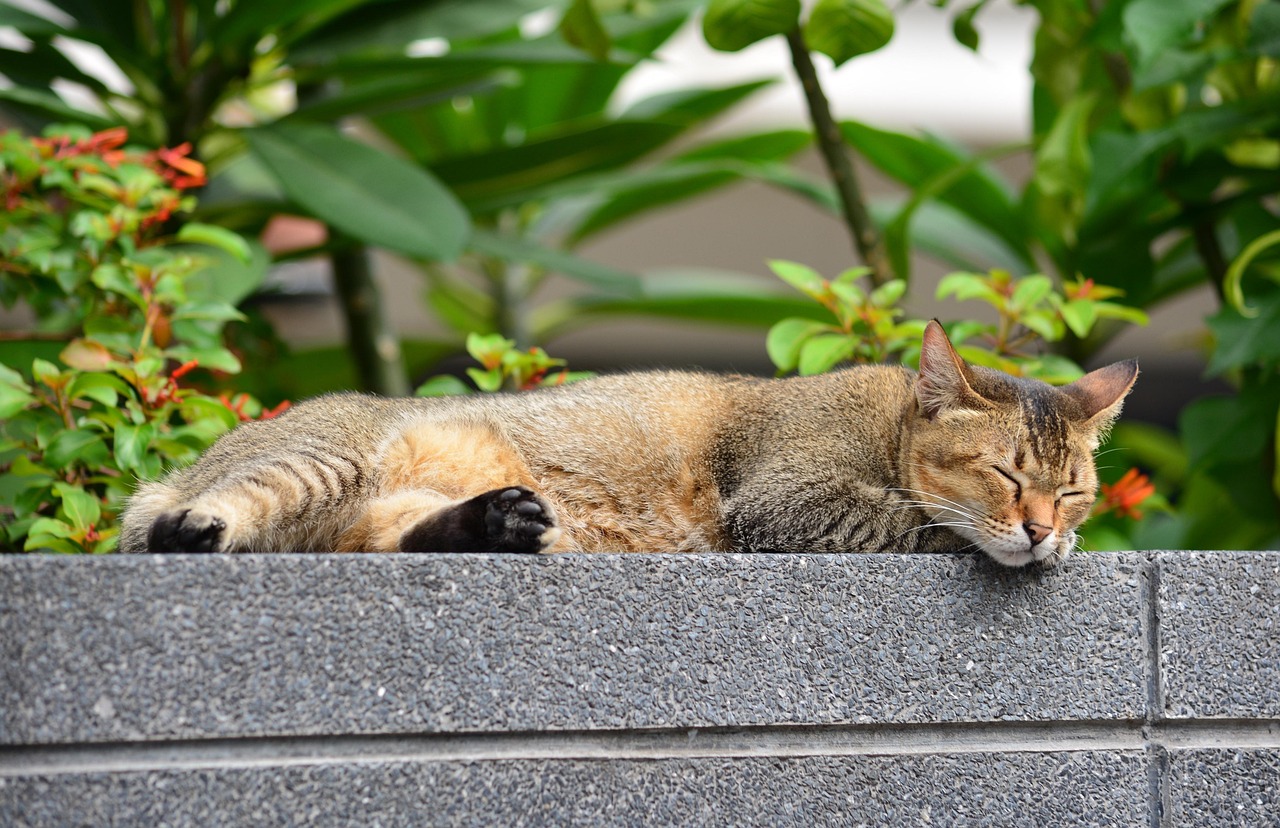
Curiosity often drives cats to explore and choose strange places for sleeping, from open laundry baskets to sunlit windowsills. These choices can stem from a desire for warmth, safety, or even preference for specific heights. Some cats use high-up places to keep an eye on their surroundings, while others might seek snug spots tucked away from heavy foot traffic. Owners frequently find their cats curled up in unexpected places, illustrating their playful and adaptive nature. Incorporating multiple sleeping areas throughout the house accommodates these various preferences. Soft bedding in unconventional locations can help fulfill a cat’s desire for unique sleeping arrangements while ensuring their comfort. Additionally, maintaining a balance between comfort and safety is crucial. Cats instinctively seek sheltered spaces that resemble their ancestral hunting grounds, promoting feelings of safety. This is why you might find a cat nestled among pillows on a sofa or under a bed. Encouraging exploration and variety in sleeping spots will keep cats content while also stimulating their natural instincts, enhancing overall health and well-being.
Social Dynamics and Sleeping Habits
Social bonds between cats can greatly influence their sleeping habits in a shared household. Cats are known to form unique relationships, leading to various interactions during relaxation periods. Affectionate cats may choose to sleep close to their companions, fostering a sense of safety and security. Conversely, some cats may prefer solitude, particularly if they feel stressed or threatened. Recognizing the nuances of each cat’s relationship can help determine their sleeping preferences. If one cat regularly harasses or bullies another, the latter might seek refuge in a different area to avoid discomfort. Positive social dynamics promote healthy sleeping patterns and overall wellness. Engaging in playtime and providing ample resources like litter boxes and food stations can help reduce stress and territorial disputes. Additionally, observing body language can offer insights into their comfort levels. If a cat approaches another for cuddling, it indicates a strong bond. Promoting positive interactions will create a harmonious living atmosphere, ensuring that all cats can sleep soundly without fear or stress.
Understanding the impact of age on sleeping patterns is essential when observing behavior in a multi-cat household. Kittens, for example, often experience bursts of energy and playful activity, leading to sporadic sleep patterns throughout the day. They may nap during the day and engage in more extended periods of play at night. Conversely, adult cats typically adhere to more regular sleeping schedules but still enjoy catnaps throughout the day. Older cats tend to seek solace in regular napping, preferring tranquil areas away from commotion. Recognizing these age-related patterns can help owners ensure that every cat gets the appropriate rest they need. Creating spaces tailored to each cat’s needs will promote comfort and relaxation. For younger cats, providing stimulating toys and climbing areas encourages healthy play, while older cats may appreciate soft lounging spots for comfortable napping. By catering to these age differences, blended households become more harmonious. Ensuring that each cat’s sleeping preferences align with their energy levels supports overall health and well-being in their living environment.
Conclusion
Exploring the sleeping habits of multiple cats within a household reveals how diverse their preferences can be based on personality, age, and social dynamics. Owners seeking to foster a peaceful living environment should pay attention to each cat’s unique tendencies. Providing various sleeping arrangements will cater to differing preferences and needs, ensuring that every feline member can achieve safe, restful sleep. Consider factors such as environmental conditions and social relationships when analyzing your cat’s behavior. Promoting comfort through thoughtful design and arrangement of sleeping spaces creates a serene atmosphere for all. By understanding these intricate dynamics, owners can support their cats’ emotional and physical welfare in a shared living context. Ultimately, the well-being of each cat hinges on creating a suitable sleeping environment that reflects their individual needs. Monitoring interactions can also ensure harmonious coexistence. By creating a home that recognizes and accommodates their diverse sleeping patterns, owners can significantly enhance the quality of life for each of their felines.
In consideration of each cat’s unique sleep preferences, owners can facilitate a peaceful environment. Providing multiple cozy spots and recognizing social dynamics and aging needs promotes a happy, healthy household. Such attentiveness significantly improves the well-being of each pet.