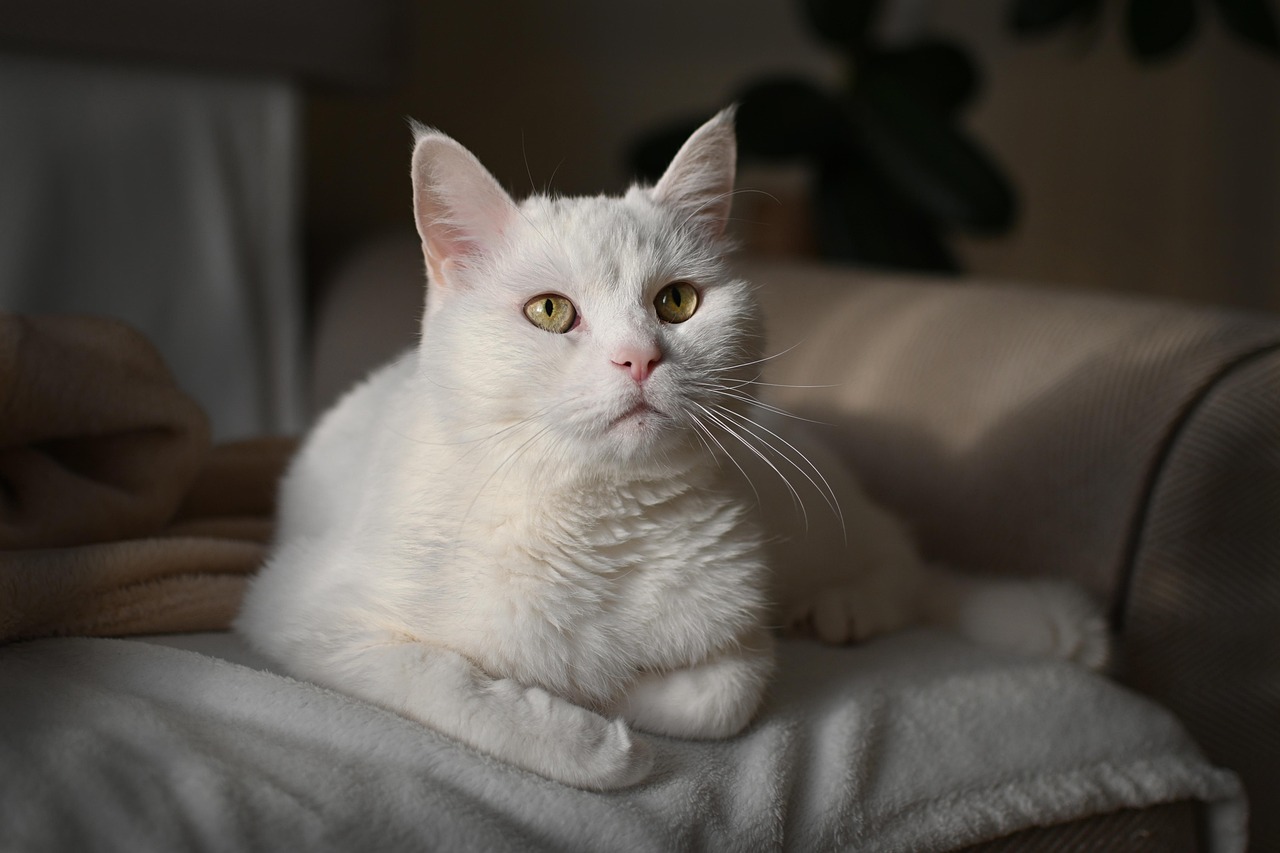

Safe and Effective Indoor Training Equipment for Cats
Indoor training equips cat owners with the necessary tools to enhance their feline’s behavior while ensuring their safety and well-being. Selecting the right equipment not only aids in teaching commands but also stimulates their playfulness. Consider using items like adjustable scratching posts, interactive toys, and padded mats. Scratching posts are vital; they provide a safe surface for your cat to scratch, keeping furniture intact. Opt for those made from durable materials like sisal or carpet. Additionally, interactive toys engage a cat’s hunting instincts while promoting physical activity. Balls with bells, feather wands, and laser pointers are all effective options. A padded mat can serve as a comfortable station for training sessions, encouraging positive reinforcement through treats and affection. Furthermore, consider investing in a sturdy cat tree for climbing exercises and social interaction opportunities among multiple cats. These items offer not only practicality but also versatility in use, keeping your pet entertained while indoors. Ensure that any equipment you choose is made from non-toxic materials to guarantee your cat’s safety during play and training.
Train your cat using positive reinforcement to create a pleasant experience during their learning process. This method encourages them to engage more willingly with training equipment and tasks. When a cat performs a desired behavior, provide immediate rewards in the form of treats or affection. Use a clicker, a popular training tool, which produces a distinct sound that marks the moment of success, further reinforcing the behavior. Gradually increase challenges, ensuring your cat remains motivated by making training sessions short yet engaging. Focus on one command at a time, allowing your cat to master it before introducing additional commands. This structured approach minimizes frustration for both the cat and trainer. Always keep sessions upbeat; if your cat loses interest, it may be wise to end early, saving practice for another time. Observing your feline’s body language also helps gauge their comfort level during training. Make adjustments accordingly and remember that patience is key; every cat learns differently. By creating a positive association with training sessions, you pave the way for long-lasting obedience and enhanced bonding between you and your pet.
Variety of Interactive Toys
Choosing the right interactive toys significantly benefits indoor training, offering mental stimulation alongside physical activity. Cats love toys that mimic prey, enhancing their natural hunting instincts. Popular toys include feather teasers and remote-controlled mice. A feather teaser allows you to engage directly with your cat, promoting exercise while building your relationship. Another effective toy is a laser pointer, which satisfies a cat’s need for movement and play without requiring you to physically exert effort. However, it’s crucial to end sessions by pointing the beam onto an actual toy, preventing frustration from chasing an elusive dot. Automatic laser toys provide continuous fun even when you’re unavailable. Additionally, puzzle toys challenge your cat’s intellect by concealing treats that require problem-solving skills to access. Ball tracks, where balls roll around enclosed tracks, also keep them engaged and entertained. However, when choosing toys, ensure safety by selecting those made with non-toxic materials. Regularly rotate toys to maintain novelty and challenge your kitty differently. An engaging indoor environment promotes healthy habits and a happy feline, making your training efforts successful.
Additionally, incorporating playtime into your cat’s daily routine is essential for both physical and mental development. Aim for at least two to three active play sessions each day, adjusted to your cat’s energy levels. Each playtime routine can utilize training equipment, reinforcing good behavior through shared activities. Use interactive toys, such as wands or balls, to stimulate their instincts, prompting leaps, pounces, and chasing. As they engage with toys, occasionally redirect their play towards training commands, such as ‘sit’ or ‘wait.’ By doing this, you integrate training into their routine seamlessly. Remember to praise and reward them after successful demonstrations of understanding commands. This positive feedback system encourages them to repeat desired actions. Furthermore, consistency is vital in reinforcing training; appoint specific times and locations for play and training. Establishing these habits fosters a sense of security and predictability for your feline. Ensure all equipment and toys are clean and in good condition, as hygiene is just as vital as engagement. Maintaining a playful yet structured routine will lead your cat to thrive in an enriching indoor environment.
Creating a Safe Training Environment
Establishing a safe training environment is paramount for effectively training your cat indoors. Begin by evaluating the space where you plan to conduct training sessions. Remove any potential hazards, such as toxic plants, small objects, or cords that could pose a choking risk. Consider using a quiet area in your home, enabling your cat to focus without distractions from outside noise or other pets. Investing in safety equipment, like pet gates, can help keep your cat in confined training areas where they feel secure. Providing comfortable surfaces, such as mats or blankets, can also enhance comfort and promote relaxation during training. Use of non-slip surfaces in play areas helps minimize accidents, safeguarding your cat from unnecessary falls. Ensure good lighting when training, as this increases visibility for both the cat and trainer, facilitating easier communication. When using treat rewards, ensure they are safe and suitable for your cat’s dietary needs. Always supervise your pet when using new equipment to identify any discomfort or distress early. A safe environment is the foundation for effective training, allowing positive associations to flourish between the cat, equipment, and you.
Alongside safety, understanding your cat’s unique personality is vital when selecting indoor training equipment. Cats, like humans, have distinct temperaments that influence their behavior and responsiveness to training. Some cats may be more cautious and require positive reinforcement techniques that build confidence. In contrast, more adventurous felines might thrive with challenging toys or practically engaging equipment. Observe how your cat interacts with toys: do they prefer chasing, pouncing, or cuddling? Catering to these preferences will ensure a better learning experience. As you introduce new training tools, maintain patience and flexibility. Your cat may need time to adjust to new experiences. When faced with reluctance, switch gears and return to familiar equipment to foster comfort. Incorporate various types of training equipment into sessions to accommodate their unique characteristics. Regularly reassess your methods and equipment as your cat grows, ensuring continued effectiveness and engagement. Ultimately, the goal is to create a fulfilling training experience that enhances both their skills and your bond. Tailoring your approach ensures that your cat not only learns effectively but also enjoys the learning process.
The Benefits of Regular Training
Implementing a regular indoor training regimen yields numerous benefits for both cats and their owners. Consistent training helps to strengthen the bond between pets and their humans, fostering trust and mutual respect. Regular practice builds behavioral consistency, thereby reducing unwanted behaviors such as scratching furniture or meowing excessively. These habits arise from boredom; thus, effective training techniques can help alleviate them. Additionally, regular engagement keeps your cat stimulated, improving their cognitive functions and overall well-being. Engaging in training activities creates a sense of purpose in a cat’s daily routine, promoting mental health and reducing anxiety. It can also effectively address issues related to shyness or aggression in certain cats. Training often allows them to feel more confident in their surroundings. The positive reinforcement approach utilized in training motivates your cat, transforming them into a more focused and obedient companion. Moreover, as your cat becomes proficient in basic commands, it simplifies everyday tasks. Focused training also aids in enriching indoor life, combating obesity from lack of exercise and promoting better overall health. Regular interaction through training sessions creates an enriching environment, ensuring contentment and longevity for your feline friend.
In conclusion, equipping yourself with the right indoor training tools enhances a cat’s quality of life and builds a strong bond between you and your feline companion. By focusing on safe, engaging, and stimulating training equipment, you ensure that your cat is happy and healthy indoors. Embrace the journey of training your pet, understanding their unique needs while providing support and guidance as they navigate learning. Incorporate playtime and various interactive toys tailored to capture their interest. Reinforce positive behaviors through regular training sessions filled with encouragement and reward. Establishing a safe training environment and considering your cat’s personality will elevate the effectiveness of your training efforts. Moreover, don’t forget the long-term advantages of consistent training that transform your cat into a well-adjusted indoor companion. Share the joy of learning and discovery as your furry friend thrives in a harmonious indoor setting. Regular practice not only solidifies your cat’s skills but also enriches their daily life, creating countless happy memories. Thus, invest time and effort into comprehensive indoor training, shaping a healthier and more enjoyable relationship together.