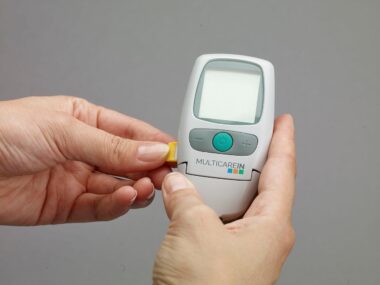

Emergency Response for Seizures in Diabetic Dogs
Seizures can be alarming for dog owners, especially in diabetic dogs. These episodes can have various causes, but experiencing a seizure during a diabetic emergency necessitates quick and decisive action. Understanding the signs of a seizure is critical for immediate response, allowing owners to assist their pets effectively. A common sign is twitching or convulsions, where the dog may lose consciousness and display uncontrolled movements. It’s important to remain calm and ensure the surrounding environment is safe. Move potential hazards `out of the way to prevent injury. Always keep your dog under observation during the episode.` If your dog is in a safe area, avoid restraining or holding them down while they are having a seizure. Instead, focus on timing the episode to monitor its duration, as lengthy seizures require contacting your veterinarian immediately. Record any unusual behavior before or after the event. Providing your vet with a detailed account might help diagnose any underlying conditions causing the seizure, especially regarding diabetes management. Always follow up with your veterinarian after such incidents for proper diagnosis and management strategies tailored to your dog’s unique needs.
In the event of an active seizure, maintaining a safe environment is paramount. Remove any objects that could pose a risk to the dog’s safety, such as sharp items, furniture, or anything else that might injure them during involuntary movements. Use a soft, thick blanket or cushion to protect their head gently, ensuring they don’t hurt themselves during muscle spasms. Do not attempt to place anything in their mouth. A common myth is that a dog may bite their tongue during a seizure; however, placing an object in their mouth could cause trauma or choking. Monitoring their breathing after the seizure is crucial, as some dogs may become disoriented and panic once they regain consciousness. After the seizing has stopped, make sure your dog is comfortable and keep them in a quiet space. They may be confused or lethargic for a while, so offer them peace and avoid loud noises. Hydration is also essential; ensure that fresh water is accessible. Close monitoring should continue for the next few hours to ensure a safe recovery, noting any abnormal signs of distress that must be relayed to your veterinarian.
Recognizing Symptoms Before a Seizure
Identifying potential seizure symptoms early can mitigate risks and help guide your response. Watch for signs of hypoglycemia, which can lead to seizures in diabetic dogs. Common indications include excessive thirst, weakness, or unusual behavioral changes. If your dog appears restless or anxious, it may indicate an impending seizure. In some cases, dogs might start to exhibit repetitive behaviors, such as pacing or excessive licking of their lips. It’s important to document any patterns of abnormal behavior, especially if seizures are recurring. Keeping a log can greatly assist your veterinarian in understanding triggers or causes. Additionally, it can provide insights into medication adjustments needed for diabetes management. Make sure to be well-informed about your dog’s glucose levels, as both hyperglycemia (high blood sugar) and hypoglycemia (low blood sugar) might provoke seizures. When you observe such symptoms, it’s critical to remain calm and follow emergency protocols previously discussed. This proactive approach can be vital in reducing the duration or intensity of potential seizure episodes in diabetic dogs. Regular veterinary checks are essential to ensure your dog maintains optimal health.
Post-seizure care is just as important as emergency response. After your dog has experienced a seizure, they may need emotional support. This phase can be disorienting; staying close to them and speaking softly can provide reassurance. Allow them some time to recover, as they are likely to be groggy or confused. Refrain from overwhelming them with attention immediately after a seizure. Instead, give them space and provide a quiet area to relax. Some dogs require gentle petting to feel safe; others may prefer solitude. Keep a close eye on their condition during recovery to ensure no further complications arise. It may help to provide a familiar blanket or toys for comfort. In addition to emotional support, proper nutrition also plays a pivotal role in recovery, especially after a seizure. Hydration should not be overlooked. Offer small amounts of water once they are alert. If the seizures happen frequently, your veterinarian may recommend dietary adjustments to help stabilize their glucose levels. Maintaining an open line of communication with your veterinarian will ensure that any necessary follow-ups or changes to treatment plans are executed promptly.
Preventing Seizures in Diabetic Dogs
Preventative measures can significantly reduce the frequency of seizures in diabetic dogs. Regular vet visits are necessary to monitor blood sugar levels and make dietary adjustments as required. Administer insulin and medications precisely as prescribed. Skipping doses or improper dosing can trigger dangerous fluctuations in blood sugar levels, increasing the risk of seizures. Emphasize a consistent feeding schedule to stabilize glucose levels. Ensure your dog has access to fresh water at all times to support hydration, especially after episodes of physical exertion or excitement. Weight management should also be prioritized, as excessive weight can complicate diabetes management, leading to higher risks of seizures. Implement routine exercise to maintain a healthy weight, manage diabetes, and promote overall health. However, exercise should be balanced and not overly strenuous. Encourage low-intensity activities suitable for their energy levels and health conditions. Last, provide a stress-free environment as emotional distress can provoke seizures. Monitor your dog’s activities and reactions to various situations, adjusting their environment as necessary to alleviate stress. Successful seizure management requires a comprehensive approach to care, consultation, and consistent observations, which improve your dog’s quality of life.
Educating yourself about diabetes and its potential effects on your dog is vital. Online resources, veterinary literature, and support groups can provide valuable insights into the challenges faced by diabetic pets. Understanding how diabetes affects your dog’s body can help you recognize and respond appropriately to emergencies. Always prepare for the unexpected by having an emergency kit ready. Essential supplies include dog food, a quick sugar source for hypoglycemia, such as honey or syrup, and contact information for your veterinarian. Keep this kit handy at all times, especially when traveling. Familiarize yourself with other diabetic emergency protocols, ensuring that everyone in your household understands how to act if a seizure occurs. Training family members, pet sitters, or friends in how to respond can save valuable time when emergencies arise. Knowing when to contact a veterinarian is crucial; for example, any seizure lasting more than two minutes demands immediate veterinary attention. Keeping an updated health record can also aid your vet in diagnosis and treatment, providing a clearer picture of your dog’s health over time. Learning more about diabetes management can lead not only to effective seizure management but also to an overall better quality of life for your dog.
Conclusion
In conclusion, responding to seizures in diabetic dogs requires a blend of preparedness, calmness, and knowledge. Identifying signs of seizures and understanding the importance of immediate and post-emergency care is paramount to your dog’s recovery. By implementing proactive measures, including regular vet consultations, appropriate diet, and weight management, you can minimize seizure risks. Know your dog’s habits and history as it aids in recognizing any anomalies, and documenting such incidents can prove beneficial when discussing options with your veterinarian. Building a strong support system among family and friends ensures that your dog is cared for even in your absence. Always remember that maintaining balanced blood sugar levels is key to preventing diabetes-related seizures. Consistent monitoring of their health will significantly reduce potential episodes and promote a happier, healthier life for your furry friend. If seizures become frequent or prolonged, consult your veterinarian to discuss medication adjustments or other interventions as necessary. With dedication and knowledge, you can manage your dog’s diabetes effectively, providing a better quality of life and peace of mind for you. Your love and commitment to your dog will shine through in these efforts.
Don’t forget to stay informed about advancements in canine diabetes care and management strategies, as these can evolve rapidly. Learning about ongoing research or new recommendations will enable you to provide the best care. Attending workshops or joining pet owner seminars can also be a great way to connect with other dog owners facing similar challenges regarding diabetic health management. These community interactions not only foster learning but they also provide emotional support. Regularly recalibrating strategies based on new insights and experiences ultimately leads to better management of any condition. Also, share your experiences with your veterinarian so they can adjust care as needed. The more open your relationship with them, the better equipped they will be to help you and your pet. Document your dog’s response to various foods, medications, and lifestyle changes. Additionally, consider joining local or online support groups dedicated to diabetic pets. Many also provide resources for managing emergencies. Your proactive involvement will not only help your dog but can also offer assistance to other owners in similar situations. Lastly, always remember: Your dog’s happiness, health, and safety are paramount.