
Best Practices for Trapping Feral Cats Safely and Humanely
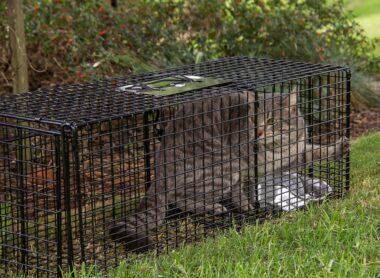
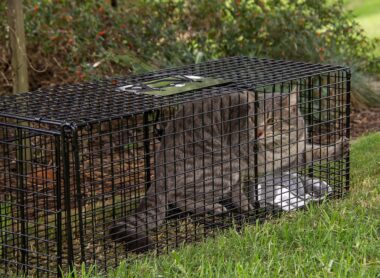
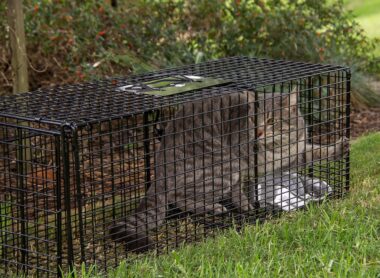
Trapping feral cats safely and humanely is an integral component of Trap-Neuter-Return (TNR) programs. The first step involves choosing the right equipment, specifically designed to minimize stress for the cats. A humane live trap is essential; these traps come in various sizes to accommodate different feline species. Before initiating trapping, familiarize yourself with the area where the cats reside to ensure a successful trapping process. Line the trapping locations with bait, such as canned tuna or sardines, to entice the cats. It’s vital to monitor the traps regularly to prevent unnecessary stress or harm to the cats. Additionally, avoid using traps in inclement weather. Planning to trap at dawn or dusk is ideal, when feral cats are most active. Enlisting the help of trained volunteers or local rescue organizations can also help manage the logistics while ensuring the process remains humane and safe. Always ensure to transport cats to a veterinarian for spay or neuter procedures promptly to reduce their chances of reproducing, thus contributing to overall community cat care efforts.
Before initiating the trapping process, it is crucial to understand the behavior patterns of feral cats. Feral cats are often wary of human interactions, making education and proper methods a priority when launching trap-neuter-return efforts. Observing the cats’ habits, such as their feeding times and daily routines, assists in pinpointing the optimal trapping moments. It’s best practice to have a pre-training session, detailing how to handle traps and manage feral cats safely. Additionally, educate volunteers about distinguishing signs of stress in cats, which ensures a more humane approach throughout the process. When using traps, cover them with cloth or towels to provide a feeling of security for the trapped kittens. Always ensure that traps are secure, meaning there is no escape while still allowing for ventilation. After trapping, be prepared for transporting the cats appropriately; use secure carriers that comfort the animals. Proper documentation is also essential, including tracking each cat’s health information and spay-neuter status. By adopting a thorough planning strategy, the success rate of trapping feral cats significantly increases while mitigating risks of stress or trauma.
Choosing the Right Time for Trapping
The timing of feral cat trapping can greatly influence the effectiveness of the TNR program. We recommend conducting the traps during non-peak hours when the cats are most active. Understanding their natural behavior often leads to successful traps, especially early in the morning or at dusk. Ensure the environment is quiet, as noise may scare off potential captures. It is highly beneficial to set traps at least a few hours before any anticipated activity to maximize open capture opportunities. Moreover, it’s advisable to trap in suitable weather conditions. Avoid trapping in heavy rain or severe storms to reduce stress on the cats. Furthermore, strongly encourage community involvement in the process; having local residents assist can also help in spotting and identifying the feral cats. It’s beneficial to communicate with neighbors about trapping times to ensure minimal disturbances. After successful captures, always have a clear action plan for immediate transportation to the veterinary clinic for spay or neuter operations. This proactive approach significantly enhances the TNR initiative’s overall efficacy, contributing to healthier feral cat populations.
Another best practice encompasses creating a safe, designated area to temporarily hold trapped cats before their procedure. Clear signage indicating the area is important, along with an established network for care provision. Utilize appropriate and comfortable crates that offer natural comfort while allowing visibility for the cats. Ensure minimal disturbances and noise within this holding area to create a stress-free environment. Providing adequate ventilation and monitoring is crucial; check each cat regularly for any signs of distress or illness. Prepare soft bedding and keep fresh water accessible for the trapped cats. This ensures their well-being while awaiting transport. Coordination with local veterinarians is essential; have a list of available clinics on hand for quick referencing. Create an organized schedule for the surgeries to avoid overcrowding at clinics, ensuring a steady flow of cats. Once surgeries are completed, follow up with aftercare instructions for both volunteers and caretakers, whether providing food or medication post-operation. Incorporating these best practices into the process ensures efficiency while maintaining the welfare of the cats involved.
Working with Veterinary Clinics
Establishing partnerships with local veterinary clinics is key to ensuring the successful operation of TNR initiatives. Having supportive veterinarians facilitates a streamlined process from trapping to surgery and recovery. Aim to build personal relationships with veterinary staff, as support from professionals can ultimately enhance the effectiveness of the community TNR program. When engaging with clinics, discuss financial assistance for spay/neuter surgeries, as many clinics offer reduced costs for TNR programs. Additionally, inquire about pre-surgery requirements or follow-up care necessities to ensure a comprehensive approach. Include local veterinarians in community education efforts; their participation can help advocate for humane cat management. Provide clinics with detailed information regarding the numbers of feral cats in need of assistance; it helps clinics tailor their support accordingly. Always confirm surgery dates and transportation arrangements in advance, reducing the possibility of delays or complications arising. Working collaboratively leads to a productive relationship that promotes the welfare of feral cats while advancing overall community health.
Continual community education plays a vital part in the success of trap-neuter-return programs. Engaging the community with informative workshops enhances understanding and compassion for feral cats. Demonstrating the benefits of TNR, such as fewer litters, decreased nuisance complaints, and healthier feline populations, invites greater community involvement. Distributing informational brochures about feral cat management encourages local residents to adopt humane practices, while also dispelling myths regarding feral cats. Also, encourage community forums where residents can share their experiences with TNR programs, creating a network of support and shared knowledge. Social media channels can be beneficial in reaching wider audiences, ensuring the message resonates effectively. Offering volunteer opportunities fosters a sense of ownership among community members. Empowering residents with tools and knowledge encourages proactive involvement and fosters a supportive environment for feral cats. Make sure to keep the conversation open and continuously solicit feedback to refine practices. Ultimately, enhancing community education encourages sustainable practices that respect both feral cats and the communities they inhabit.
Managing Colonies for Long-Term Success
Establishing a management plan for feral cat colonies is crucial for ensuring the long-term success of TNR efforts. Regular monitoring allows for observation of health, behavior, and population dynamics within the colony. Tracking data on cats, such as spay/neuter status, vaccination records, and overall health status, forms a beneficial practice. Rotating local volunteers to check on the colonies guarantees continued engagement and accountability. Additionally, feeding stations should be strategically placed and managed appropriately to encourage stability. Regularly scheduled feeding times ensure that food is available but also deters additional unwanted cats from invading the area. When a new cat appears, assess its situation before taking action. Conflict resolution strategies should be developed to address potential issues within communities. Create outreach strategies that cultivate positive relationships with local residents and encourage discussion. Maintain an open dialogue with adjacent properties to reinforce collaborative efforts in cat management. Regular meetings promote transparency and collective commitment towards responsibly managing feral cat colonies, fostering an understanding that TNR is a sustainable solution for population control and community well-being.
In summary, following best practices facilitates safe and humane trapping of feral cats within TNR initiatives. Ensuring a comprehensive approach from preparation to community engagement promotes success in managing feral cat populations effectively. Prioritize education, collaboration with veterinary clinics, and monitoring efforts to build a sustainable model for feral cat care. Emphasizing compassionate community involvement leads to enhanced outcomes for both the cats and the individuals involved. Constantly strive for improvement based on feedback and observations to enhance practices within individual communities. Remember to celebrate successes, small or large, as they indicate progress in building harmonious relationships with feral populations. When communities embrace humane protocols, they contribute to a broader solution benefiting not only the cats but also the overall environment. This method fosters a deeper respect for feral cats while outlining strategies that can lead to systematic improvements in management. Overall, the dedication to humane animal control goes beyond mere practices; it nurtures a culture of respect and understanding towards all living beings, fostering beneficial relationships between humans and animals in shared spaces.