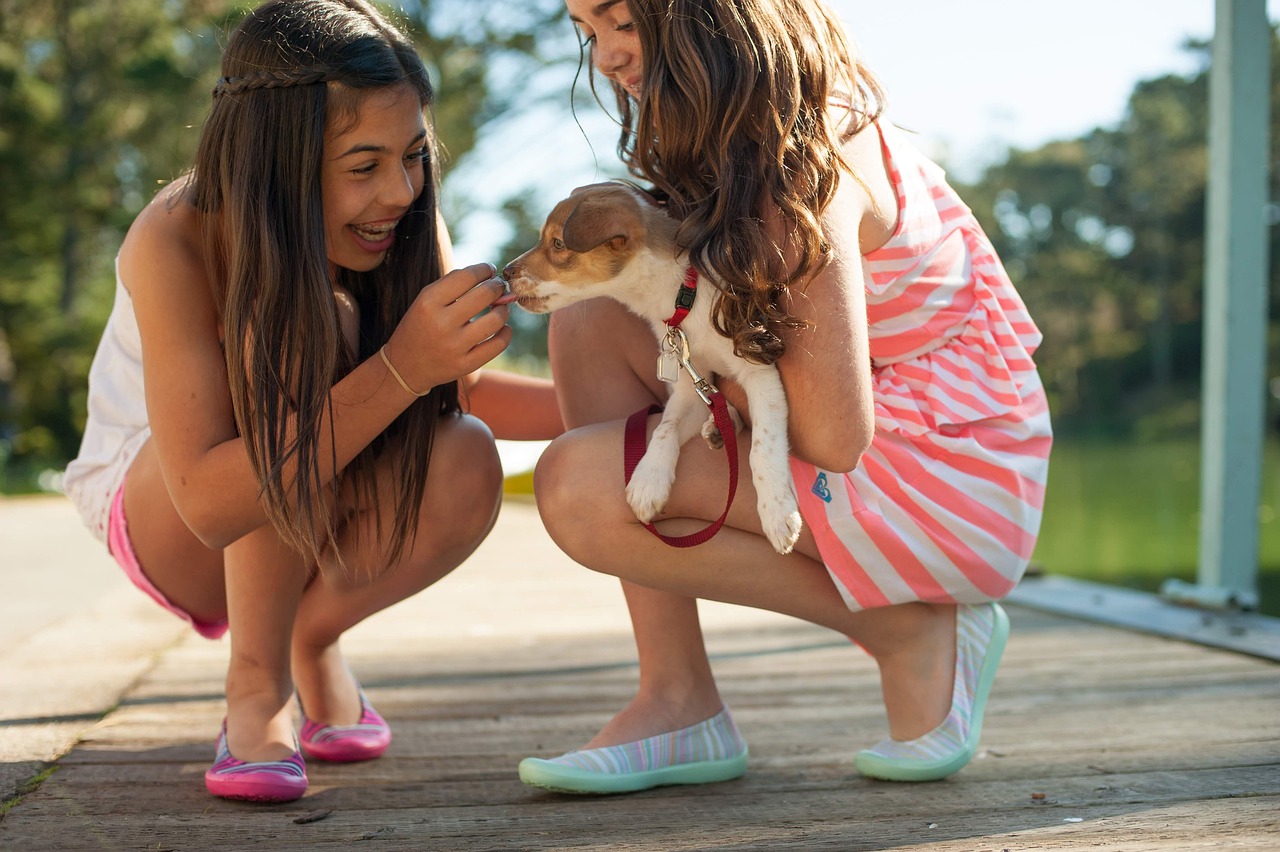

The Role of Socialization in Reducing Dog Anxiety Around Kids
Dogs are social beings, and their interactions significantly influence their behavior, particularly with children. Proper socialization can effectively reduce anxiety surrounding kids, providing both safety and comfort. Early exposure to children helps dogs acclimate to their presence, leading to positive interactions in later life. This experience promotes a sense of security, allowing dogs to navigate environments with kids confidently. Techniques such as gradual introductions and positive reinforcement can prove beneficial. A controlled environment where children and dogs play can alleviate many fears. Such interactions prevent the development of fear-based responses, ensuring dogs associate children with fun and companionship instead of stress. Understanding canine body language is crucial for both dog owners and children. Teaching children how to approach dogs safely fosters respect and prevents anxiety from escalating. Furthermore, regular outings to dog parks or family gatherings can help dogs learn to cope with diverse sounds and movements, which are common with children. Owners should be proactive in facilitating these social experiences to ease anxiety and promote a friendly disposition towards kids. The key lies in patience and consistent exposure for lasting results.
It is essential to recognize that not all dogs will react the same way to children, which means tailored approaches are vital. Some dogs may exhibit fear or aggression due to past injuries or a lack of social experiences with humans. Hence, identifying the unique triggers of each dog is crucial. For instance, if a dog shows signs of distress around children, it may require more gradual exposure. Owners should begin with supervised, calm interactions or utilize desensitization techniques. Starting with quieter, gentler children can create less pressure and panic, helping the dog slowly warm up to their presence. The supervision of interactions remains crucial, ensuring the safety of both the dog and the children involved. Gradually increasing exposure time helps dogs develop positive associations, showing that children can be enjoyable pals rather than threats. Consistency is key in training. Regular playdates, meetings, and rewards for positive behavior around children will aid significantly in reinforcing healthy behaviors. Talk to your vet or a dog trainer for tailored advice on creating a successful socialization plan that suits your dog’s needs specifically for anxiety reduction around children.
Understanding Canine Behavior and Anxiety
Understanding why dogs display anxiety around children starts with recognizing canine behavior. Dogs may react defensively or fearfully due to various factors, such as past traumatic experiences or lack of exposure. If a dog has faced negative encounters with children, those memories can create lasting anxiety. Similarly, a dog lacking social interactions during its developmental stages may struggle with new experiences. It’s essential for dog owners to observe their pet’s body language, paying close attention to signs of discomfort such as tail tucking, cowering, or growling. These behaviors are often indicators of fear and should be addressed promptly. Instead of forcing a dog into situations that cause distress, owners should create a safe space where the dog feels secure. Gradual familiarization with children through positive reinforcement, such as treats or praise, can significantly help reduce anxiety. Redirecting a dog’s focus during stressful situations, while ensuring a safe distance from children until comfort is established, allows for a smoother integration into environments where children are present. Patience is crucial, and with consistent efforts, a previously anxious dog can become more relaxed and confident in a child-friendly atmosphere.
Building a routine for socialization is another effective strategy to help mitigate anxiety. Consistency creates a sense of familiarity for dogs, allowing them to adapt gradually to various situations. Owners can schedule regular meetings with trusted families that have dogs accustomed to children. This introduces the social milieu slowly and assessably. Consider adopting specific training classes focusing on social skills or dog-friendly environments. These can create positive experiences as they feature other pets and children interacting in a controlled setting, exhibiting appropriate behaviors and encouraging safe interactions. It’s essential to attend such activities often, as frequent exposure will foster a better understanding of the social landscape. In these settings, dogs learn to associate children with non-threatening cues, resulting in a calmer response over time. Moreover, including training practices at home, such as practicing commands, also empowers dogs with confidence. Practicing these commands builds an improved response to anxieties related to children. The emphasis should be on rewarding calm behaviors and progressive exposure, creating a situation whereby the dog can thrive when children are around.
The Importance of Positive Reinforcement
Positive reinforcement remains a hallmark of effective training tactics for anxious dogs around children. Praising desirable behavior encourages dogs, ensuring successful socialization with kids occurs. This technique classifies fear and anxiety responses as opportunities for refining behavior. Providing treats, petting, or verbal encouragement contributes positively during initial interactions, which can effectively reduce anxiety levels over time. Equally important is timing; rewarding should immediately follow a good behavior to create clarity for the dog. For example, when a dog remains calm in the presence of children, promptly acknowledging this behavior enhances its understanding of acceptable responses. Owners should monitor their dog’s comfort levels and adjust the level of exposure accordingly, enabling them to assess when reactions are favorable enough for rewards. Keeping training sessions short and positive will maintain the dog’s willingness to participate. Frequent, varied interaction scenarios should also be introduced so that dogs can learn to feel comfortable in different settings. Be patient as your dog processes these experiences, coupled with rewards, to adjust behavior positively toward kids. Embedding anticipatory cues into training will further reinforce good behaviors, helping dogs navigate their anxious responses effectively.
Moreover, ensuring that interactions are enjoyable for the dog can transform anxiety into excitement around children. Introducing interactive games like fetch or hide-and-seek creates positive experiences. For instance, if a dog associates children with fun and play, it’s less likely to regard them as a threat. Rather than overwhelming the dog, start with simple games at short intervals and progressively increase complexity and duration as the dog builds confidence in mixed interactions. Sustaining interest through positive experiences indicates future engagements can be more favorable and promotes happy associations. Activities involving treats, toys, and inviting playful actions encourage children to understand how to interact gently. This nurtures understanding on both sides. Also, training kids on dog etiquette promotes safety and respect. Teaching children to approach dogs calmly and respectfully allows kids to understand an animal’s limits, thus fostering better dynamics. Developing and maintaining these positive experiences is key to enabling dogs to thrive in environments with children while drastically reducing anxiety. The aim remains establishing trust through continuous positive interactions, ensuring dogs and children coexist harmoniously.
Long-term Strategies for Success
Finally, long-term strategies must be employed for sustained success in managing dog anxiety around children. Owners need to commit to ongoing socialization and training efforts throughout the dog’s life. Continuous engagement enhances a dog’s adaptability to new situations and ongoing behavior around kids. Evaluating each dog’s progress regularly allows for adjustments in socialization methods based on improvements or setbacks. In addition, it’s helpful to remain observant; understanding what social settings work best may lead to effective strategies. Sometimes, professional help may be necessary, such as consulting dog trainers, behaviorists, or veterinarians. These professionals can assess complex situations and provide tailored solutions beneficial for both dog and owner. Investing in scheduled sessions or workshops enhances skills in fostering better relationships between dogs and children. Building a support network of friends and families who understand the importance of careful interactions can create a vital support system for varied experiences. In closing, socialization doesn’t happen overnight. A consistent commitment to gradual, controlled interactions with positive reinforcement is key to ensuring dogs become more confident and capable of coexisting with children peacefully over time.
In summary, dogs thrive amid proper socialization, especially around children. Adopting various techniques such as gradual exposure, positive reinforcement, and involving professionals can significantly decrease anxiety. Building a routine and establishing continuous, fun interactions is instrumental in fostering confidence. Understanding canine behaviors and recognizing triggers plays a pivotal role in implementing effective strategies. It’s crucial to ensure both kids and dogs feel safe and respected, enabling positive relationships to flourish. So, prioritize nurturing familiarity and comfort through varied socialization efforts. Ultimately, patience will yield rewarding outcomes in dog behavior around children, leading to harmonious coexistence and joyful experiences.