
Feeding Your American Curl: Nutrition Guidelines
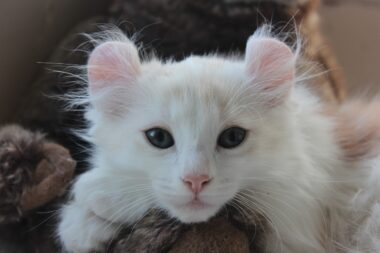
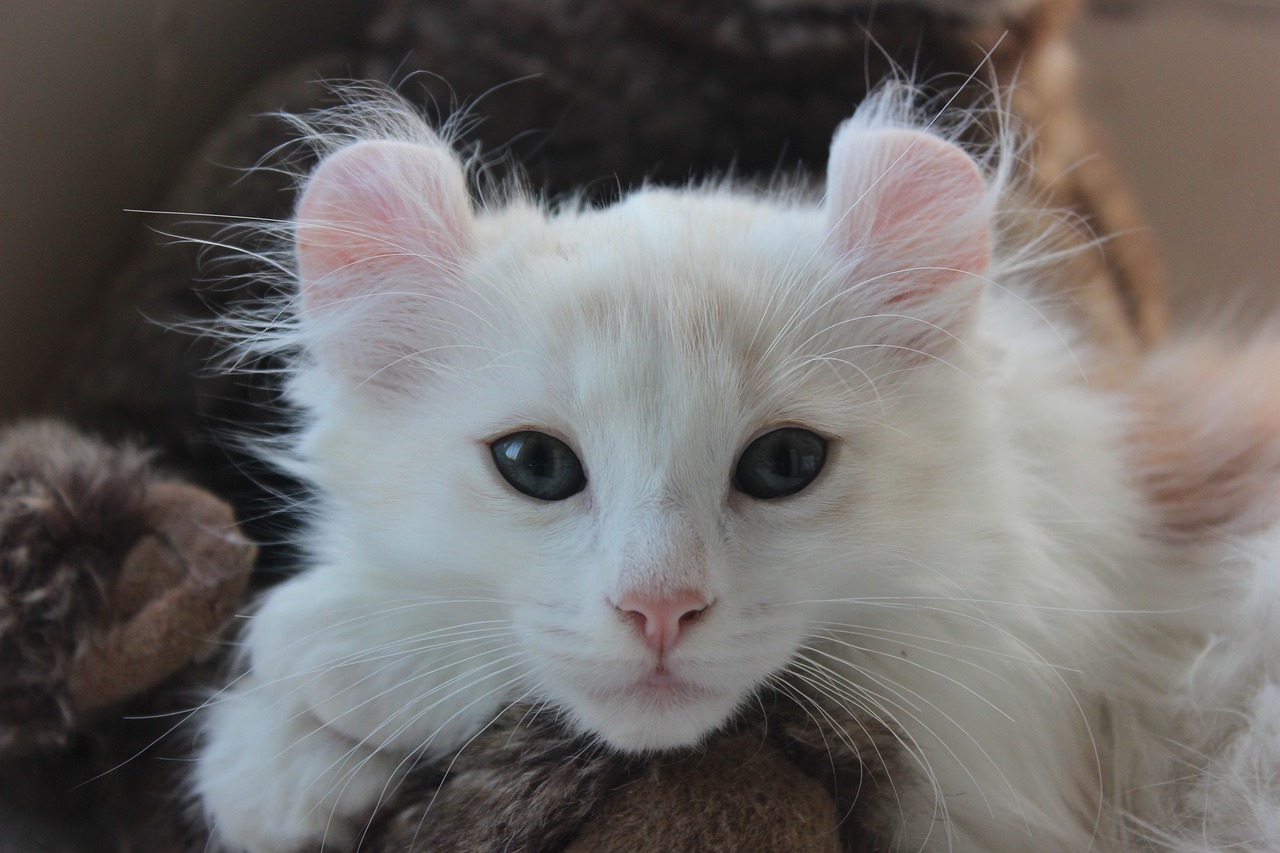
The American Curl is a unique cat breed known for its distinct curled ears and adorable personality. Proper nutrition is crucial for maintaining the health and vitality of this beloved breed. As a responsible pet owner, it’s essential to understand their dietary needs and preferences to keep them happy. Quality cat food should form the basis of their nutrition. It’s advisable to select high-quality, age-appropriate food, whether it’s dry, wet, or a combination of both. Look for products with meat as the first ingredient because cats are obligate carnivores, meaning their diet must primarily consist of meat sources. Avoid fillers such as corn and soy that provide little nutritional value. Monitor their weight regularly as some American Curls are prone to obesity. Providing meals on a consistent schedule can also contribute to healthy eating habits. Fresh water should always be available since hydration is as important as food consumption. Additionally, consulting your veterinarian can provide personalized nutrition guidance tailored to your specific cat’s needs.
Protein is vital for the growth and maintenance of your American Curl’s muscles, fur, and overall health. Aim for a diet containing at least 30% protein for adult cats, adjusting for kittens who may require even more for growth. Sources of protein should ideally include chicken, turkey, or fish. It’s essential to ensure that the protein comes from high-quality sources and not by-products. Moreover, fats are also significant; however, they should come from healthy sources such as fish oil or chicken fat, providing essential fatty acids for a healthy coat. Carbohydrates can be included but should be kept to a minimum since cats have low carbohydrate requirements. A slight inclusion of vegetables such as peas or carrots can provide additional vitamins and fiber. If your American Curl has any known allergies, it’s crucial to select a food free from those allergens. Always introduce new foods gradually to avoid upsetting their stomach. Remember, every cat is unique, so observing how your American Curl responds to specific foods is vital in achieving the best diet for them.
Feeding Schedule
Establishing a consistent feeding schedule is beneficial for your American Curl. Cats thrive on routine, so try to feed them at the same times each day, which helps regulate their hunger and can prevent overeating. Generally, kittens may require more frequent feedings, about three to four times a day, whereas adults usually do well with two meals daily. When feeding your American Curl, portion control is crucial. Follow the guidelines provided on the cat food packaging for portion sizes based on your cat’s age and weight. Measuring the food ensures that you provide the appropriate amount, avoiding overfeeding. It’s helpful to use a measuring cup rather than free-feeding, which can lead to obesity. Even though cats may appear adorably persistent when seeking food, resist giving in to those pleading eyes. Instead, engage them with playtime or toys as a distraction. Incorporating puzzle feeders can stimulate their minds while also providing slow intake of food to prolong meal times and enrich their diet. Furthermore, always remember that treats should make up no more than 10% of their overall caloric intake.
Your American Curl’s hydration is fundamental for their wellbeing. Cats are naturally prone to certain kidney problems and not drinking enough water can exacerbate this risk. It’s essential to encourage regular water intake. Fresh, clean water must always be available and should be changed daily. Some cats prefer running water, so investing in a water fountain can entice them to drink more. Additionally, feeding wet food can contribute significantly to their hydration as it contains higher moisture content. This is especially beneficial for cats who are reluctant to drink water. Varying their diet with both dry and wet food can ensure they receive adequate hydration while enjoying a diverse meal experience. Another consideration is the temperature of the food. Some cats may prefer their food slightly warm, which can be achieved by heating it briefly in a microwave. However, always test the temperature before serving to avoid burns. Be mindful of your American Curl’s individual preferences regarding water and food to ensure they maintain proper hydration levels, contributing positively to their overall health.
Special Dietary Considerations
Many American Curls may develop particular dietary considerations as they age or due to health conditions. For example, senior cats may require specialized diets lower in calories or higher in certain nutrients, such as glucosamine, to support joint health. Keep an eye on their overall well-being and any changes in their behavior or appearance, as these can signal dietary needs. Regular veterinary check-ups are important to monitor your cat’s health and modified dietary needs, especially for conditions such as diabetes or allergies. If your American Curl shows signs of food intolerance, like vomiting, diarrhea, or skin irritations, consulting your veterinarian would be best. They might recommend elimination diets or specific prescription diets to address these issues. Additionally, consider the life stage of your American Curl. Kittens require more protein and fat than adults do, which means choosing a cat food formulated for their specific life stage. It’s vital to remain attentive and responsive to your American Curl’s changing nutrition requirements throughout their life to ensure optimal health.
Introducing supplements can also be beneficial as long as they are done judiciously and under the guidance of a veterinarian. Probiotics or omega-3 fatty acids may enhance digestion and coat health, respectively. However, not every cat will need additional supplements, so monitoring their diet will suffice for most American Curls. If you suspect deficiencies or simply wish to optimize their diet, seek professional advice to ascertain what supplements, if any, may be beneficial. Furthermore, avoid human food, especially toxic substances like chocolate, onions, and garlic, which can be harmful to cats. Educating yourself about poisonous foods can prevent accidental ingestion. Always be mindful of what is on your American Curl’s plate, ensuring it’s only high-quality, pet-friendly food options. As they are an eager breed, they may try begging for bites from your meals. Nevertheless, it is essential not to compromise their specific dietary needs by sharing unsuitable human food. Maintaining a rich, balanced diet tailored for your American Curl will support their health, longevity, and happiness.
Final Thoughts on Feeding
In conclusion, understanding the dietary needs of your American Curl is vital for their health and wellness. Whether they’re playful kittens or mature adults, tailoring their meals with high-quality, protein-rich foods that meet their specific requirements will promote optimal health. Additionally, providing a balanced diet and maintaining hydration are crucial aspects every owner should consider. Regular vet check-ups ensure that your American Curl remains healthy and any dietary adjustments can be made timely. Monitor their weight, observe their eating habits, and ensure they maintain healthy body conditions. Being proactive regarding their nutrition will help prevent future health problems that could arise due to poor dietary choices. Remember that treats can enhance your bond but should be given sparingly. Ultimately, the love and effort you put into your American Curl’s diet will shine through in their happy demeanor and overall health. Enjoy the journey of pet parenthood while ensuring a nutritious and balanced feeding routine for your unique feline companion.
Implementing good feeding practices plays an important role in maintaining your American Curl’s well-being and vitality, reflecting your care and attention to their health. The simple measures of monitoring their diet, providing quality nutrition, and ensuring proper hydration will contribute to a long, healthy life for your furry friend.