
Training Puppies for Their First Car Ride: What to Know
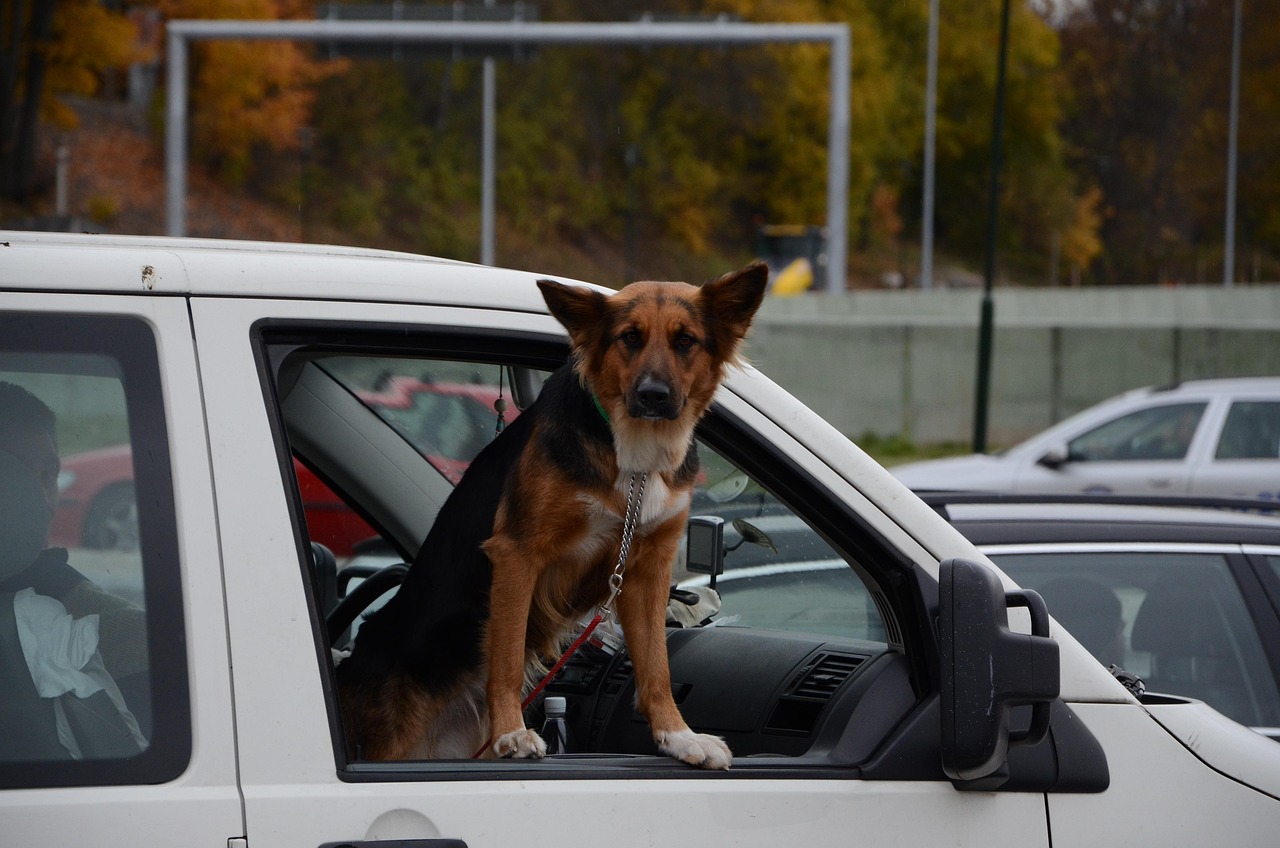
Taking your puppy on their first car ride is an exciting experience, but it’s essential to prepare properly. One of the first steps is getting your puppy used to being inside the vehicle. Start by allowing them to explore the car while it’s parked. Let them hop in and out, so they become familiar with the surroundings. You might want to place their favorite toys or a comfortable blanket inside to create a positive association. Be patient, as some puppies may feel nervous. It’s important to keep the car doors open at this stage. Gradually, try closing the door while they are inside for short intervals. This will help them adjust to the confined space. Make car rides enjoyable by playing gentle music to soothe them or providing treats once they show calm behavior. Remember, the goal of these early rides is to acclimatize your puppy, making them feel safe and secure in the car. Starting with short trips can make a significant difference. Always watch for signs of anxiety or discomfort during the rides.
Once your puppy seems comfortable inside the vehicle, the next step is familiarizing them with the seatbelt or crate. Securing your puppy properly is essential for their safety during the ride. If you opt for a pet seatbelt, make sure it’s designed specifically for dogs and fits your puppy appropriately. Alternatively, a well-ventilated crate is an excellent choice, as it provides a secure environment. Before using it for longer trips, let your puppy spend time in the crate at home to build a positive association. Place treats or their favorite toys inside and allow them to explore. Always reinforce positive behavior with praise when they enter the crate or wear the seatbelt. During car rides, avoid distractions and keep your puppy engaged with toys or soft music. Make sure to stop regularly during long drives to allow for bathroom breaks and some exercise. This also helps to reduce anxiety. If your puppy shows signs of distress, remain calm and reassure them. Keeping these trips short and enjoyable can instill a lifelong comfort with car rides, which is beneficial for future travel plans.
Creating a Calm Environment
Establishing a calm environment during car rides is crucial for your puppy’s comfort and safety. Avoid loud noises, as they can startle your puppy and lead to anxiety. If necessary, use distraction techniques to keep them engaged. Consider bringing along their favorite blanket or toy, which can make the space feel more secure and familiar. If your puppy experiences motion sickness, consult your veterinarian for advice. They may recommend certain medications or special feeding guidelines to prevent nausea. Before starting the ride, always ensure your puppy has had an opportunity to relieve themselves. A lighter meal prior to travel can also minimize the chances of sickness. While on the road, drive smoothly to avoid sudden stops or sharp turns. Use a calm and soothing tone when speaking to your puppy, as it helps to relieve tension. Just like humans, puppies can sense stress, and your demeanor can impact their behavior. Keeping the environment light-hearted and stress-free will encourage your puppy to enjoy the car rides as they become part of their routine.
When planning for your puppy’s first car ride, be sure to pack essential items to ensure a smooth experience. Packing a travel bag can alleviate last-minute stress. Important items include a leash, fresh water, bowls, waste bags, and treats. A travel blanket might also be a good idea to help keep the car clean after your puppy. Remember to bring along any necessary medications if your puppy is on a regimen. A first aid kit is a handy addition, especially for extended trips. If your puppy is prone to anxiety, consider packing calming treats or medications prescribed by your vet. It’s also worthwhile to keep your vet’s contact information accessible so you can address any concerns during your journey. Familiarize yourself with the nearest veterinarian clinics along your route, just in case of emergencies. When traveling, ensure frequent stops to let your puppy stretch its legs, especially on longer outings. Regular stops help maintain your puppy’s energy levels and offer bathroom breaks for their comfort. Assuring your puppy is well-prepared for car rides ensures everything runs smoothly, making long journeys enjoyable for both of you.
Monitoring Your Puppy’s Comfort
Throughout those car journeys, it’s essential to monitor your puppy’s comfort and wellbeing closely. Puppies often express discomfort, so learning to recognize their signs is key. Look for behaviors such as whining, panting, or excessive drooling, which may indicate anxiety or motion sickness. If you observe any of these signs, pull over safely and reassure your puppy. Take a few moments to calm them and, if possible, offer water or a light treat. You can also let them out on leash for a quick potty break or a stretch. Building this routine will establish a pattern where they understand they’ll have breaks during travel. Positive reinforcements, like treats or praise when they show calm behavior, help reinforce their comfort. Additionally, create a habit of avoiding abrupt movements, which can cause distress. Smooth and gradual accelerations when driving can significantly reduce anxiety for your puppy. Create a cozy atmosphere by using soothing soundtracks or gentle music in the car to help maintain a calm demeanor. Emotional support during these rides will help foster your puppy’s love for car travels.
As you build toward longer car rides, consider different variables that might affect your puppy. Weather can play a significant role in your puppy’s comfort while traveling. Hot summers can lead to overheating, so maintain proper ventilation within the car. If it’s too hot, it may not be suitable for your puppy to ride. Ensure the car is adequately cooled down by using air conditioning. Likewise, during winter, make sure the car remains warm enough to avoid uncomfortable chills. Keep in mind, puppies are sensitive to extreme temperatures, and their energy can be affected adversely. Never leave your puppy unattended in a parked vehicle, as this can be dangerous. To give them a good experience, start with short, positive trips before gradually increasing their duration. Share rewards like toys or treats when they reward good behavior in the car. By starting slow and ensuring the conditions are comfortable, you prepare your puppy for a lifetime of enjoyable travels. This preparation will help both you and your puppy feel at ease on all your future adventures.
Conclusion
Training your puppy for their first car ride is a rewarding investment in their future travels. Patience and consistency are essential in developing their comfort. By creating positive associations and providing a calm and safe environment, you foster their confidence in car rides. It’s crucial to monitor their comfort levels, ensuring they feel secure throughout the journey. Remember, the goal is to build a routine that your puppy learns to enjoy. Gradually increasing the duration of car rides will help solidify that enjoyment. Make every trip a fun adventure with small rewards to reinforce good behavior. Regularly practice the techniques you’ve learned; soon enough, your puppy will associate car rides with excitement and fun. By preparing thoroughly and remaining attentive to your puppy’s needs, you can pave the way for stress-free journeys. As your puppy grows older, they’ll be more adaptable and flexible with travel plans. Ultimately, the bond created during these initial car rides can enhance your connection and bring joy to your outings together.
Additional resources can further enhance your knowledge of puppy training for car rides. Explore various online forums or social media groups dedicated to pet care, where fellow pet owners may share valuable experiences. Websites featuring expert advice, articles, and videos related to dog training can help you gain more insights into effective techniques. If you’re interested in professional assistance, consider enrolling your puppy in obedience or training classes that focus on car travel. The guidance provided by experienced trainers can be invaluable in addressing any challenges you may face. Local veterinarians often have resources or referrals for trainers and can provide vital advice about specific issues such as anxiety or sickness. Additionally, local dog parks serve as great places to socialize your puppy and become accustomed to new environments, which can also benefit their travel experiences. Always keep your veterinarian in the loop regarding any concerns you might have about your puppy’s comfort during car rides. The more informed you are, the better prepared you’ll be to ensure your puppy’s first car ride is a positive experience.