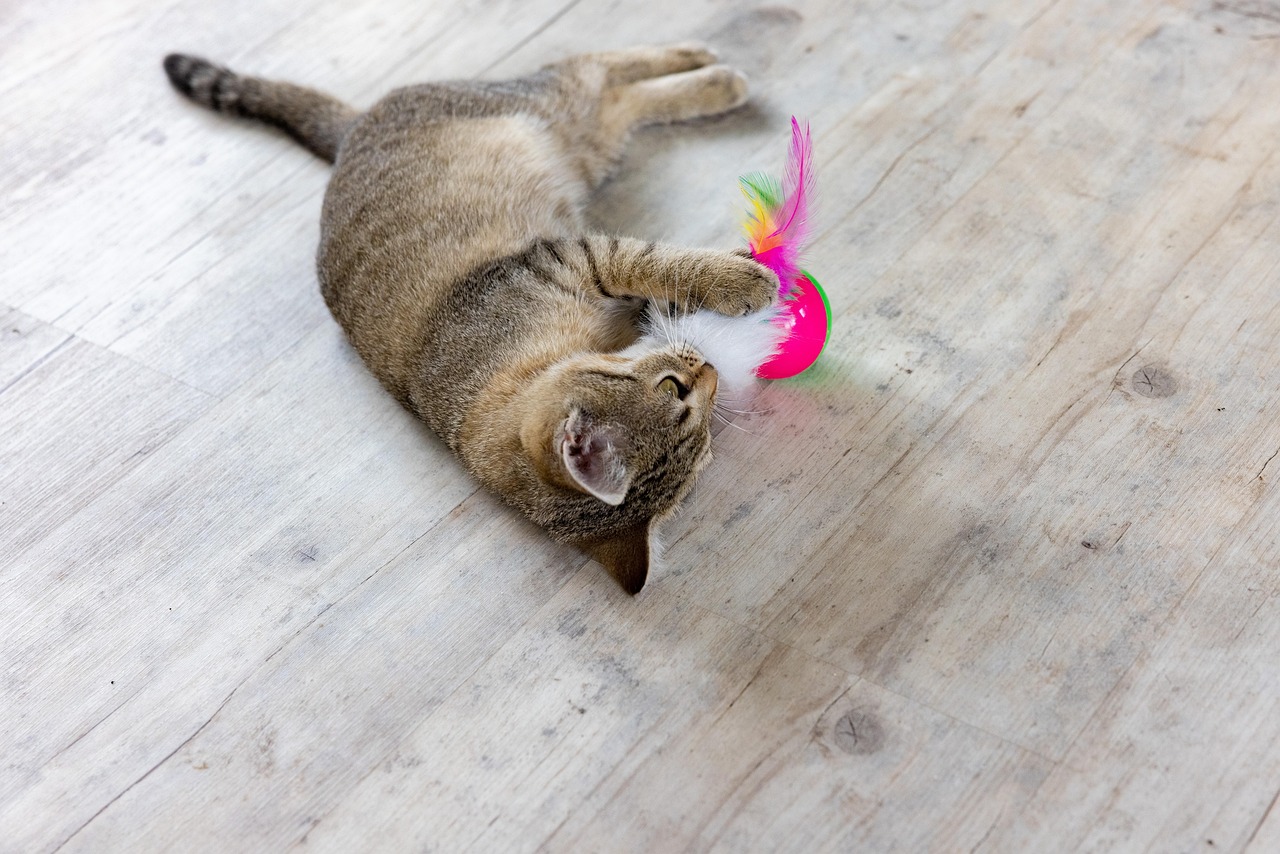

Benefits of Regular Playtime for Reducing Cat Aggression
Regular playtime contributes significantly to reducing aggressive behaviors in cats by providing an outlet for their natural predatory instincts. Engaging in play helps cats channel their energy and focus, which diversely impacts their overall temperament. Enhanced physical activity from playtime not only strengthens muscle tone and coordination but also stimulates mental engagement. High-energy toys, such as feather wands, laser pointers, or interactive puzzle feeders, can provide considerable mental stimulation. Increased playtime can lead to fewer behavioral issues, such as biting and scratching, as cats learn appropriate ways to express their excitement and instincts. Additionally, through play, owners can create a stronger bond with their cats, resulting in a more relaxed environment. This bond fosters trust and understanding, which minimizes stress-related behaviors. By setting a routine for playtime, owners can significantly alter their cat’s behavior, reducing aggression over time. Regular interaction yields emotional satisfaction while allowing cats to feel more secure in their surroundings. Therefore, investing time in quality play can transform a cat’s demeanor, making them happier companions within the household, greatly enhancing the human-animal relationship, and contributing to the cat’s happiness.
Understanding a cat’s behavioral patterns is crucial for successful training. Aggression often stems from fear or anxiety, which can be mitigated through engaging play sessions. By observing how your cat interacts with toys, you can identify their preferences and tailor playtime accordingly. For instance, some cats may enjoy chasing a ball, while others might prefer stalking feather toys. Paying attention to these cues will enable you to use positive reinforcement to encourage good behavior during play. In addition, creating a safe environment for play can help reduce feelings of vulnerability. Keeping the play area free from distractions and obstructions allows cats to feel secure while engaging in their favorite activities. The timing of play is essential as well; young cats are often most energetic during dawn and dusk, aligning playtime with these natural bursts of energy can be rewarding. Short, frequent play sessions are often more effective than longer, infrequent ones. By incorporating play into your daily routine, you can help alleviate your cat’s aggression and create a calm, joyful atmosphere. Recognizing these benefits is vital for both the well-being of your feline and the sanity of your household.
Choosing the Right Toys
Choosing appropriate toys is vital for effective cat training. The right toys not only attract your cat but also make playtime more engaging and productive. When selecting toys, it’s essential to consider factors like your cat’s personality and physical capabilities. For instance, rowdy kittens may prefer interactive toys that allow them to pounce and chase, while older cats might enjoy soft toys they can nuzzle. Opting for various types of toys ensures that your cat remains stimulated and interested during playtime. Additionally, toys that mimic prey behaviors, such as rustling noises, can trigger your cat’s hunting instincts. Rotating toys regularly can keep playtime fresh and exciting, which reduces the likelihood of boredom-induced aggression. Puzzle toys also present an opportunity for mental engagement, encouraging problem-solving and reducing frustration. Engaging them in play with different toys can foster a sense of accomplishment, further boosting their confidence. Always supervise your cat during playtime to ensure safety; some toys can be hazardous if broken or if small parts are ingested. Proper toy selection, rotation, and supervision can make play a constructive part of your cat’s daily routine.
Implementing a Routine
Establishing a structured routine is essential to reinforcing positive behavior in your cat. Cats thrive on consistency, and a regular play schedule helps them anticipate activities, enhancing their sense of security. Aim for at least two play sessions per day, lasting around 10-15 minutes each. This frequency provides cats with the necessary outlet for their energy while encouraging healthy behavior patterns. Maintaining the same duration and timing allows your cat to adjust more readily, reducing instances of anxiety and aggression. An established play routine can also prevent behavioral issues caused by boredom or pent-up energy. As you incorporate play into your schedule, remain mindful of your cat’s reactions. Cats may show they need to engage more actively by becoming restless or more aggressive. Responding to these signs by adjusting the routine or increasing playtime can positively impact their behavior. Remember to share playtime with others in your household; consistency among family members is critical in reinforcing the routine. Additionally, consider using treats or praise post-play to create a more rewarding training atmosphere. Through routine, your cat learns to associate positive behaviors with play and companionship.
Social interaction is incredibly beneficial to a cat’s emotional stability. Engaging in playtime allows cats to learn social cues and appropriate forms of communication, reducing the likelihood of aggression. Cats are naturally social creatures that require interaction to thrive. Within multi-pet households, playtime fosters socialization among them, reinforcing cooperative behavior. Introducing play between cats can facilitate bonding while teaching them to share resources. Observing their interactions can help identify triggers that may lead to aggression, allowing you to address them constructively. Scheduled playtime offers invaluable moments for understanding your cat’s unique personality. Learning their play preferences can reinforce trust and security, creating closer ties between you and your feline friend. Through play, one can develop a positive feedback loop, where higher engagement leads to reduced aggression. Furthermore, positive experiences during playtime help create a calmer environment, making it less likely for aggression to manifest as fear or anxiety. Regularly sharing these moments can ease any tension, replacing it with enjoyment and companionship. A well-socialized cat is usually less prone to aggressive outbursts, ultimately allowing them to thrive in their environment.
The Importance of Calm Environments
Creating a calming environment is crucial for reducing aggression in cats. A serene atmosphere can diminish overstimulation, which often leads to aggressive behavior. Eliminating excessive noise, chaotic activities, or conflicts among pets can result in a more peaceful setting. Provide safe spaces where your cat can retreat when they feel overwhelmed. These areas can include cozy beds, favorite hiding spots, or perches that provide a vantage point. Creating vertical spaces through cat trees allows them to escape potential threats while observing their surroundings. Additionally, incorporating calming elements such as soft lighting, pleasant scents, and soothing music can create a more inviting atmosphere. Quality time spent engaging in low-energy activities can also promote relaxation. Encouraging quiet companionship, such as sitting together while your cat enjoys gentle stroking, fosters tranquility. Remember that an enriched environment minimizes boredom and provides security. Offering scratching posts, climbing structures, and various toys can encourage healthy behaviors. By addressing environmental factors and promoting relaxation techniques, you help ensure your cat feels comfortable and secure. A calm cat is a happy cat, and happy cats exhibit less aggressive behavior, making playtime a joy for everyone.
Ultimately, understanding and addressing aggressive behavior in cats requires patience and dedication. Providing regular playtime is advantageous in many ways, allowing your cat to socialize, engage, and exercise. Owners who invest time observing their feline’s needs can create a balanced environment that prioritizes their pets’ wellbeing. Consistency in routines, effective toy selection, and calming environments must yield great results. Playtime is not only about physical exercise; it’s about building a connection based on trust and communication. It’s essential to remember that every cat is unique, and their responses to play may vary; using different approaches enhances understanding and responsiveness. By embracing these strategies, you can help mitigate aggression and create enjoyable, constructive interactions. As always, consult with a veterinarian if aggressive behavior persists or escalates. Professional advice may provide additional strategies tailored to your cat’s specific needs. Through positive reinforcement, compassion, and dedication, a transformation occurs where aggressive tendencies are diminished. The reward is a happier, healthier cat who enjoys your companionship. Ultimately, you’ll cultivate a fulfilling relationship that resonates with love, trust, and joy, bringing endless happiness to both you and your cherished companion.
In conclusion, addressing and reducing cat aggression requires a multifaceted approach. Playtime stands out as a vital component that provides a platform for physical activity, helps foster social interactions, and reduces feelings of stress in cats. By understanding your pet’s behavior, choosing the right toys, implementing routines, and creating a calming environment, you can cultivate a more peaceful living space for both yourself and your feline friend. It’s crucial to acknowledge that patience is essential, as behavior changes can take time and commitment to instill. Regular playtime not only benefits your cat’s physical health, but it also enhances the bond you share. Cats thrive on routine and an enriched environment, responding positively to consistent play sessions. By nurturing your cat’s emotional well-being and encouraging cooperative behavior among household pets, you ultimately reduce aggression and improve their overall quality of life. Enjoying this journey together with your feline friend makes every effort worthwhile. A well-exercised and mentally stimulated cat is less likely to exhibit aggressive behaviors, transforming them into affectionate, playful companions. Invest in regular playtime for a happier, more harmonious home life.