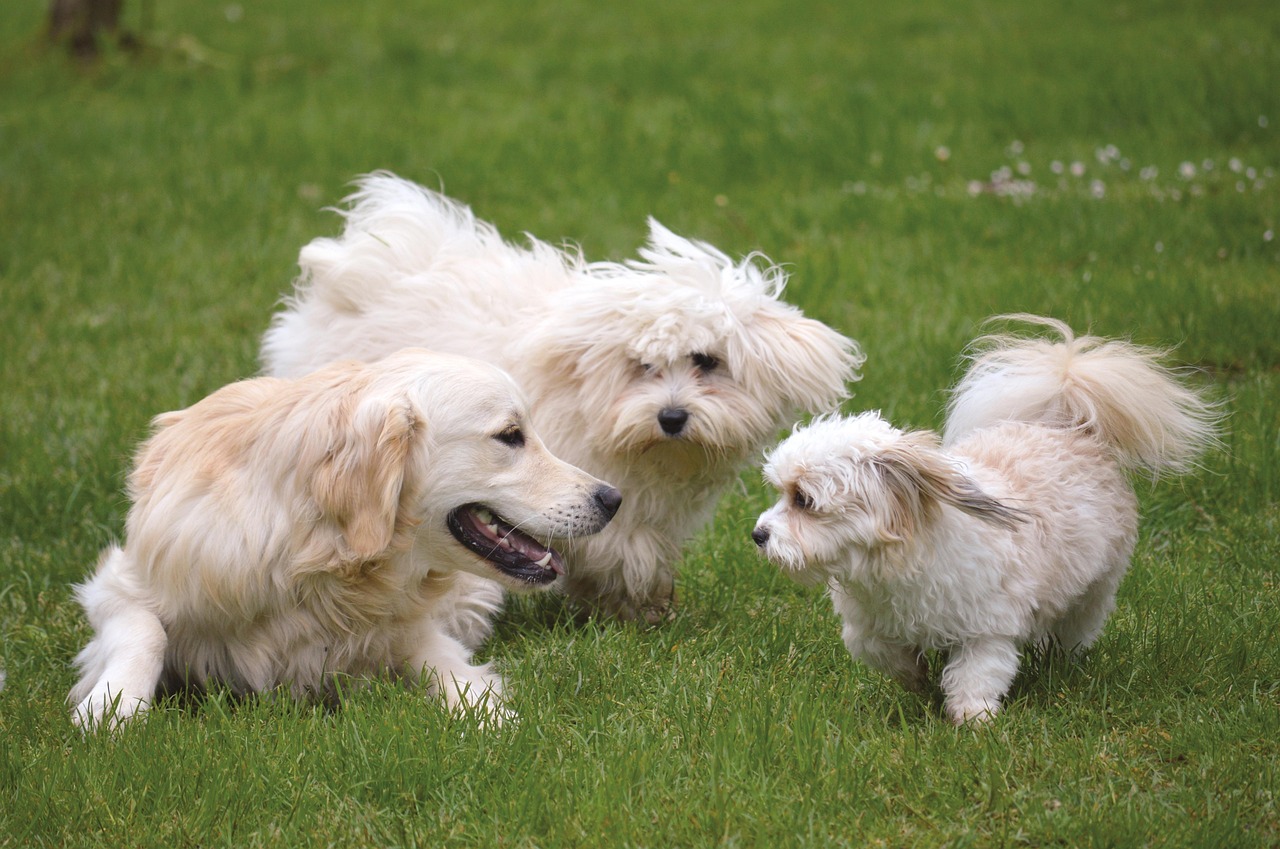

The Role of Vocalizations Complementing Dog Body Language During Socialization
Dog socialization is an important process that allows your pet to interact safely and happily with other dogs and people. Understanding dog body language is essential for recognizing their emotions and intentions. This understanding can improve communication between dogs, leading to more harmonious interactions. Socialization experiences help puppies and adult dogs learn acceptable behaviors within various contexts. Dogs use a combination of body language and vocalizations to convey messages. This blend helps clarify their feelings, especially in complex social environments. For instance, a dog may wag its tail while vocalizing to indicate excitement or happiness. Conversely, low growls often signify discomfort or a warning. It is essential for owners to observe these signals closely. Also, understanding the context of the vocalizations and body language is key. For example, two dogs that are playing may vocalize differently than those that are unsure of each other. Fostering positive interactions helps build confidence in dogs. As they learn to navigate different environments, they also become more open to new experiences, ensuring a well-rounded and socially adept canine companion.
Additionally, vocalizations are powerful tools for communication among dogs. While body language can indicate a dog’s mood or intent, vocal sounds often provide clarifying information. High-pitched barks may express excitement or encouragement during play, while deeper barks can indicate alertness or a potential threat. Learning to interpret these sounds enhances a dog owner’s ability to respond appropriately. Dogs often use vocalizations to assertively express their needs and desires. For example, a dog might whine or bark when they want attention or feel anxious. Listening carefully to these sounds contributes to understanding their emotional state. Actively monitoring how vocalizations align with body language can give insight into the overall context of interactions. Observing how dogs react to different stimuli helps identify their comfort zones. Furthermore, when dogs are introduced to new situations, their vocalizations may change significantly in response. The combination of movements, posture, and sound can indicate their readiness to socialize or indicate a need for caution. Maintaining positive reinforcement during socialization helps dogs learn how to use body language and vocalizations effectively to communicate with others.
The Importance of Socialization
Socialization is crucial for dogs of all ages, especially when they are exposed to various experiences and environments. Inadequate socialization can lead to behavioral issues, including fearfulness, aggression, and anxiety. Understanding body language and vocalizations increases a dog’s chances of positive experiences. By facilitating early interaction with a variety of people and dogs, owners can help shape a well-adjusted temperament. Puppies are particularly sensitive to socialization opportunities, as their critical learning period occurs between three and fourteen weeks of age. During this time, positive social experiences can instill confidence and reduce fear towards unfamiliar situations later in life. Moreover, successful socialization boosts a dog’s ability to communicate effectively, decreasing misunderstandings between them and other canines. When dogs feel comfortable and confident in new settings, they are less likely to rely on aggressive vocalizations as a defense mechanism. Instead, they may opt for passive signals that promote peace. Providing an array of environments, sounds, and people enhances a dog’s adaptability, enabling smoother interactions as they mature. A well-socialized dog is more likely to form healthy relationships with other dogs and humans throughout its life.
Moreover, the role of the owner in socialization cannot be understated. As a dog owner, you are the primary advocate for your pet. It is vital to recognize your dog’s unique personality and comfort levels. Some dogs thrive in active environments, while others may feel overwhelmed. Owners must be observant and adaptive during socialization experiences. Proper socialization creates an atmosphere that encourages exploration and confidence. By managing social interactions, providing support, and ensuring positive reinforcement, dogs learn to trust their owners. This translates into better understanding of their vocalizations and body language during socialization. Frequent outings and interactions help dog owners notice patterns in their pets’ behavior. When owners can accurately identify their dog’s feelings, they can step in when necessary. Additionally, being proactive in seeking social opportunities allows for varied interactions that build a dog’s confidence. Over time, the dog will learn to use vocalizations and body language more proficiently. Encouraging positive experiences reinforces these skills, creating more resilient and adaptable dogs who enjoy social situations without becoming overstimulated or fearful.
Understanding Vocalization Context
Understanding the context of a dog’s vocalizations is crucial for interpreting their feelings. Different situations can evoke various responses; therefore, being aware of the surrounding environment is essential. For instance, a barking dog may express excitement, warning, or anxiety, depending on the circumstances. Observing the dog’s body language accompanying their vocalizations can provide clarity. For example, a wagging tail paired with excited barks suggests happiness, while a stiff posture with growls may indicate discomfort. This intricate communication among dogs allows them to assert boundaries and signal emotional states. It is beneficial for owners to decode this complex language to foster a better bond with their pets. Additionally, some dog breeds are naturally more vocal than others. Recognizing breed traits can assist in understanding their communication style. Learning how different breeds express themselves helps tailor socialization methods to specific dogs. Moreover, consistent patterns of vocalization can establish stronger connections in multi-dog households. When owners incentivize friendly vocal behavior, dogs can learn to socialize effectively while communicating their needs, building trust, and creating positive interactions.
Furthermore, the interplay between vocalizations and body language can assist in conflict resolution among dogs. When two dogs encounter each other in a park, interpreting their sounds and movements is vital. For instance, if one dog displays a confident stance while barking, while the other appears withdrawn, a play session would not be advised. This analysis helps prevent misunderstandings that could escalate into aggression. Proper recognition of vocal cues can swiftly diffuse potential confrontations. A dog owner who is attentive can redirect their dog’s energy towards a different activity before tensions rise. Positive reinforcement can be pivotal in guiding appropriate social behavior. Encouraging dogs to use softer vocalizations, like whining, when seeking attention promotes a gentler approach to their interactions. Socializing dogs within controlled, positive experiences reinforces effective communication. Successful resolution strategies empower dogs to express themselves through positive means. Thus, mastering the nuances between vocalizations and body language contributes to a peaceful environment. By fostering respectful communication, dogs become eager social participants, enhancing their overall enjoyment and well-being.
Conclusion and Future Directions
In conclusion, understanding the role of vocalizations and body language in dog socialization is essential for a harmonious relationship with your canine companion. Recognizing the variety of vocal sounds and their context enriches our interpretation of dog emotions. This knowledge helps improve interactions and promotes healthier social behavior among dogs. Furthermore, developing skills allows owners to proactively manage difficult situations before they escalate. Early socialization paired with attentive communication strengthens the bond between dogs and their owners. The more we understand these elements, the better we can address their needs and enhance their quality of life. Observing and responding to dog body language and vocalizations will foster meaningful social opportunities. As dogs become more confident, they are likely to thrive in diverse situations, reflecting their comfort with social engagements. Engaging with knowledgeable trainers or attending dog training classes can further refine these skills. Future socialization efforts should focus on creating positive, enriching experiences that incorporate vocal cues and body signals. As we advance in our understanding of canine communication, it will ensure that every dog lives a well-rounded, fulfilling life.
In the realm of pet ownership, the journey of understanding a dog’s socialization is ongoing. Continuous education about body language and vocalizations reinforces the importance of nurturing well-adjusted dogs. Resources such as books, workshops, and online courses about dog behavior contribute to expanding knowledge. Engaging with fellow dog enthusiasts broadens perspectives and provides insight into effective socialization techniques. In this increasingly complex world, promoting dog socialization remains paramount. By committing to lifelong learning, we can advocate better communication for our canine friends. Not only do well-socialized dogs contribute positively to their communities, but they also enjoy fulfilling and happier lives. Increased awareness contributes to a more profound appreciation for our canine companions and their needs. Thus, focusing on vocalizations and body language enriches the dog ownership experience, leading to mutually rewarding relationships. As our understanding deepens, so will our ability to create environments that promote positive canine interactions. The culmination of these efforts is a community of dogs that feel secure, confident, and truly happy in their social circles.