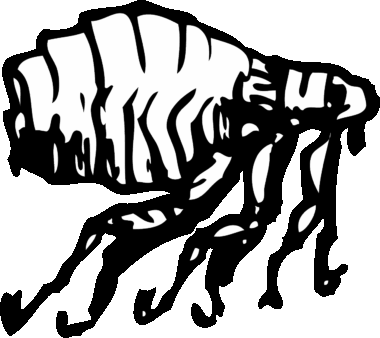

Unusual Behaviors in Cats That May Indicate Parasite Presence
Parasite infestation in cats often expresses itself through a variety of unusual behaviors that pet owners might overlook. Typically, these behaviors resemble quirks that may not seem alarming at first but warrant attention. For example, if your cat suddenly begins to scratch itself more than usual, it may suggest the presence of fleas or mites. Such continual scratching could indicate severe discomfort, promoting bald spots or inflamed skin. Additionally, lethargy is another behavior to monitor. If your once-active cat transforms into a lethargic cuddle bug, parasites might be draining its energy. Regularly observing your feline’s habits is crucial. Increased irritability or aggression can also indicate parasite issues, especially if there is a drastic change in behavior. If your cat becomes defensive when touched, that could suggest an underlying problem. Therefore, understanding these behaviors is essential for early detection. Pet owners should always be alert and maintain hygiene to prevent infestation. Regular veterinary visits along with preventative measures can significantly reduce these risks. Keeping your cat’s environment clean plays a vital role in their overall health. Understanding your cat’s behavior can make all the difference.
In addition to physical symptoms, digestive disturbances often accompany cat parasite issues. One common indication may include an unexpected increase or decrease in appetite. For instance, if your feline suddenly refuses to eat their favorite food, it might be a cause for concern. Weight loss, particularly in a short period, is usually a key sign of underlying infestations. Paying attention to your cat’s litter box habits is equally important. If you notice unusual diarrhea or constipation, it could signify parasites like roundworms or tapeworms affecting their gastrointestinal health. A closer look at the litter can reveal other signs too, such as an unusual amount of worms or eggs. Persistent vomiting should also raise red flags; it’s essential to consult your vet if your cat exhibits this symptom frequently. Furthermore, behavioral changes stemming from discomfort may lead your cat to obsessively groom itself, further indicating parasite presence. Taking action promptly can help minimize risks to your beloved pet’s health. Ensure to discuss these symptoms with your veterinarian, as they can provide tailored advice. Completing regular fecal examinations may also be beneficial, assisting in early detection of potential infestations.
Physical Signs of Parasite Infestation
Physical signs associated with parasite infestations can manifest through various unusual behaviors in your cat. One major aspect to observe is their physical condition, including fur quality and skin health. Cats suffering from parasites often present with dull, unkempt fur or even patches of hair loss. Recurrent skin infections or redness might occur due to constant scratching or biting at infected areas. You might also see fleas or flea dirt, which can appear as tiny black specks on their skin or fur. These indicators are often accompanied by increased grooming behavior as your cat attempts to alleviate discomfort. If you notice excessive grooming leading to raw skin, seeking veterinary advice is essential. Another physical symptom is the presence of worms in the fur or feces; tapeworm segments may appear around the anus. Pay close attention to your cat’s appetite, as noted before, which can swing from excessive eating to complete refusal. Also, consider any sudden changes in activity levels, as lethargy can be quite alarming. Understanding your cat’s physical cues is integral for timely intervention. By maintaining a vigilant eye, you can better safeguard your cat’s health from damaging parasites.
Behavioral changes can also indicate distress due to parasites in cats. If your feline friend begins to hide more often, it may signal discomfort or illness. Cats are known for their independence, but excessive withdrawal from normal activities can indicate something more serious. Monitoring for signs of shyness or reluctance to engage in play can contribute to early detection of parasites. In addition, some cats may develop compulsive behaviors, such as repetitive pacing or over-grooming, which could suggest parasitic issues. Also, unusual vocalizations, including excessive meowing or growling, can point to underlying pain or frustration stemming from a parasite infestation. Behavioral assessments can greatly aid in identifying health problems. These signs might be subtle, making it vital to observe your cat closely. Changes like increased food container guarding or modified social interactions with household humans and other pets should also raise concern. Utilizing observation logs may help track any behavioral inconsistencies over time, making it easier for a veterinarian to pinpoint issues. Hence, a proactive approach focused on understanding these behaviors can enhance your cat’s quality of life.
Importance of Regular Health Check-Ups
One of the best ways to keep your cat healthy is through regular veterinary check-ups. These visits allow health professionals to examine your pet for signs of parasites and other potential issues before they escalate. Routine fecal exams can identify parasites like roundworms, hookworms, or Giardia, which may not show immediate symptoms. Early detection is vital since these parasites can lead to severe health problems if left untreated. Additionally, veterinarians often recommend preventive medications tailored for your cat’s specific needs. Such measures significantly minimize the risk of parasite infestations, ensuring your furry friend stays on top of their game. Moreover, these visits facilitate vaccinations that help stave off various disease conditions. Comprehensive health check-ups also allow pet owners to discuss behavioral concerns with their veterinarians. Specifically, if you notice any unusual behaviors, it’s essential to relay these observations during your visit. Incorporating preventative care alongside regular check-ups helps keep your pet healthy and happy. Adhering to a consistent veterinary schedule fosters a robust bond between you and your cat based on well-informed care. The information gathered during check-ups can also educate owners on maintaining a parasite-free environment.
Adapting your cat’s environment can play a crucial role in parasite control. Ensuring your home is clean and free from potential infestation sites is fundamental. This includes regularly vacuuming carpeted areas and cleaning furniture, as these may harbor eggs or flea larvae. Moreover, washing pet bedding frequently helps eliminate hidden parasites. Having a clean living environment substantially reduces your cat’s exposure to harmful parasites. Creating an outdoor space that restricts cat access to infested areas also aids ongoing parasite control. Likewise, limiting contact with stray animals can further protect your pet from picking up external parasites. Consider employing preventive treatments recommended by your veterinarian; using topical treatments or collars can protect against fleas and ticks. Ensuring proper nutrition can also strengthen your cat’s immune system, making it less susceptible to infections. Additionally, providing plenty of play and stimulation reduces stress, which can improve overall well-being. By taking proactive steps, you will keep your feline friend healthy. Healthy lifestyle habits combined with hygienic practices are essential components of any comprehensive parasite control plan. Discussing these options with your veterinarian can be invaluable in designing a suitable plan for your cat.
Conclusion: Staying Alert to Ensure Health
Staying alert to unusual behaviors in cats is crucial for early identification of potential parasite issues. These signs often serve as red flags, indicating something is amiss in your feline’s health. Noticing fluctuations in eating habits, energy levels, or grooming patterns can prompt timely veterinary consultations. Furthermore, being proactive in your approach to pet care can immensely benefit your cat’s overall well-being and happiness. Consistent veterinary check-ups, along with preventative measures, help maintain a healthy environment free from harmful parasites. Moreover, maintaining a strong bond with your cat through play, affection, and observation fosters an atmosphere of trust, making it easier to detect any behavioral changes. Educating yourself about common parasite signs will enhance your role in safeguarding your pet’s health. Remember, the sooner you respond to unusual behaviors, the better the chances for a quick recovery, should parasites be present. Stay diligent to ensure your furry friend leads a happy, healthy life, devoid of discomfort caused by parasites. Your cat depends on your attentiveness and care to protect against these health threats.
In conclusion, being an observant pet owner is crucial when it comes to identifying potential signs of parasite infestation in your cats. Regular observation of behavioral changes, alongside thorough cleaning of living spaces and regular check-ins with your veterinarian, can help prevent parasitic issues from arising. Your cat’s happiness and health are inherently linked to your ability to recognize and address any problematic behaviors or symptoms. Relying on professional veterinary advice, along with your own awareness, will allow you to create a safer environment. Each aspect of pet ownership fosters a nurturing relationship which benefits both you and your beloved feline. If any sign of unusual behavior persists or worsens, it is vital to consult your veterinarian immediately. There’s no substitute for expert advice when tackling health concerns. Paying attention to your cat’s behaviors ensures their well-being remains a priority. By taking proactive measures, you give your pet the best chances for a long, fulfilling life. Your vigilance is key, and your commitment to understanding your pet’s needs remains paramount to their overall well-being. Together, these practices establish a foundation of health and joy for both you and your furry companion.