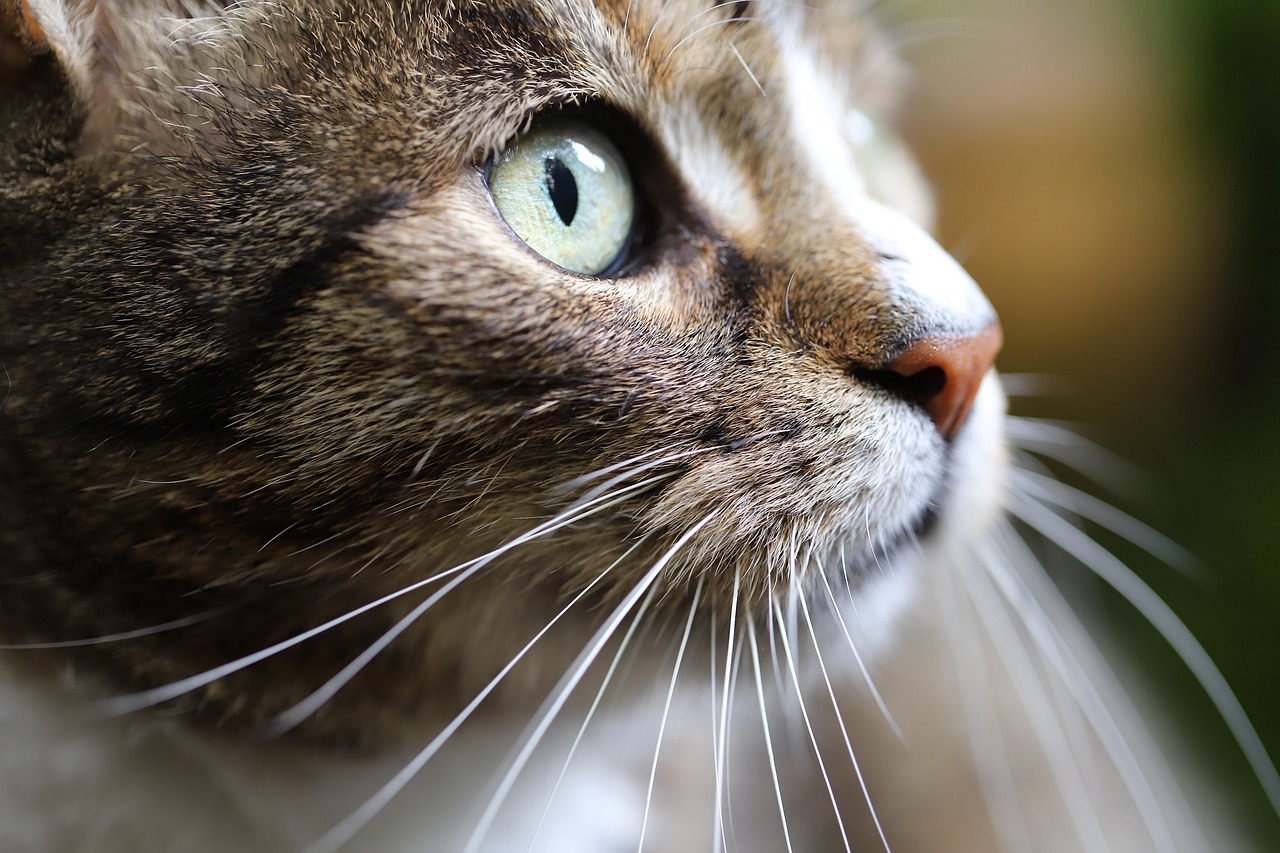

Protecting Your Cat’s Well-Being: Managing Anxiety Symptoms
Understanding feline behavior is essential for responsible cat owners. Cats, like humans, can struggle with various emotional and psychological issues, leading to anxiety and aggression. Such problems often manifest through unusual behaviors, which may be alarming for owners. Increased aggression can be displayed by hissing, growling, or swatting when the cat feels threatened or anxious. Identifying the triggers of these symptoms is the first step toward managing them effectively. Setting clear boundaries and offering a stable environment can greatly assist in reducing your cat’s stress levels. As a responsible pet owner, it’s crucial to recognize when a cat exhibits signs of anxiety. Early intervention can help in addressing these behaviors, leading to a more harmonious household. Additionally, understanding the specific needs of your cat regarding their environment and routine can help minimize emotional disturbances. It’s vital to create a cat-friendly space, incorporating elements that stimulate and soothe their minds. Enriching their environment with toys and scratching posts may alleviate anxiety symptoms, fostering a happier and healthier feline companion. Providing adequate attention and affection will also contribute significantly to their well-being, reducing the likelihood of behavioral issues.
When managing anxiety in cats, recognizing the signs is paramount. Symptoms of anxiety can vary widely among individual cats. Some common indications include hiding, excessive grooming, and changes in eating habits. A cat showing these signs may be feeling unstable or threatened, which requires immediate attention. It’s important to keep an eye on how they react to different situations and environments. For instance, introducing new people or pets can be a source of stress. Gradual acclimatization is essential in these situations. Instead of overwhelming your cat, allow them to explore at their own pace. Offer a safe space where they can retreat when overwhelmed. Alongside this, consider high-quality calming supplements available in stores that cater to pet wellness. Not only do these often have positive effects, but they also promote relaxation without causing drowsiness. Consulting with a veterinarian before introducing any supplements is advisable to ensure they’re suitable. Additionally, using pheromone diffusers can create a more relaxed environment. These calming scents can mitigate anxiety episodes effectively. Creating a serene household atmosphere encourages emotional stability for your feline friend, reducing the chances of aggressive behavior driven by anxiety.
Establishing a Routine for Your Cat
Establishing a consistent routine is crucial for reducing anxiety in cats. Cats thrive on predictability, and a well-structured daily regime can significantly relieve stress. Feeding your cat at the same time daily and creating set play periods provides comfort and stability in their environment. This creates a sense of security, which helps to reduce anxiety-driven behaviors. Moreover, providing regular opportunities for exercise can alleviate stored-up energy, reducing aggressive tendencies that often stem from frustration. Engaging in activities tailored to your cat’s preferences can further enhance their mood. For example, using feather wands or laser pointers helps focus their energy positively. Additionally, cats often find comfort in maintaining a clean environment. Regularly cleaning their litter box and providing fresh food and water is essential. Taking the time to establish a routine also encourages bonding opportunities between you and your feline. These moments can be both calming for the cat and rewarding for the owner. Regardless, patience is key when adapting your cat to a new routine. Gradual adjustments rather than sudden changes will help your cat adapt more readily. Over time, consistency can significantly impact your cat’s emotional stability.
Creating a safe space for your cat is vital in minimizing anxiety symptoms. Cats possess a natural instinct to find security during stressful situations, and offering a refuge can help them manage their emotions. Designating a specific quiet area within the home, filled with familiar toys, a cozy bed, or blankets can be beneficial. This safe space allows your cat to retreat when feeling overwhelmed. Additionally, covering the area partially with a blanket or sheet can create a den-like atmosphere that many cats find comforting. Consider also the placement of food and water bowls; these should be located near their safe area for accessibility. This allows your cat to feel secure while still being able to hydrate and eat without unnecessary anxiety. Incorporating soft bedding and favorite toys can make this area inviting. Moreover, minimizing noise disturbances near this space promotes tranquillity. It’s essential to respect this safe zone during instances of anxiety or aggression. Allowing your cat the freedom to choose whether to engage or withdraw fosters a sense of control in their environment. By providing adequate safe spaces, owners can help their cats effectively navigate stressful situations.
The Role of Play in Reducing Anxiety
Playtime plays a crucial role in managing anxiety symptoms in cats. Engaging your feline in interactive play provides physical exercise while also stimulating their mental health. In turn, this can decrease some of the aggressive behaviors linked to anxiety. Toys such as feather wands or cricket balls can ignite a cat’s hunting instincts, which are critical for their psychological well-being. Moreover, dedicating a specific time each day to engage in playful activities further strengthens your bond with your cat. These interactions also help alleviate built-up stress and channel their energy positively. Furthermore, playtime allows you to monitor your cat’s behaviors closely. This observation can offer insights into any potential anxiety triggers. Ensuring all toys are safe and appropriate for your cat’s age and preferences can maximize the benefits of play. While emphasizing fun, it’s also essential to provide stimulation. Puzzle feeders and treat-dispensing toys can encourage your cat to engage their minds while also providing rewards. Overall, integrating daily playtime into your routine offers an excellent way to manage emotional disturbances effectively, harboring a sense of joy and security.
In some cases, professional intervention may be necessary for cats suffering from severe anxiety or aggression. Consulting with a veterinarian is crucial if symptoms persist despite home interventions. They can guide behaviorists or feline psychologists specializing in animal welfare and behavior. Implementing professional advice can provide tailored strategies unique to your cat’s needs. Behavioral therapy focuses on identifying and modifying distressing behaviors while reinforcement training emphasizes positive actions. It’s important to be patient, as progress can take time. Additionally, medication may be prescribed in severe cases. Anti-anxiety medications can greatly assist in reducing extreme stress levels but must be administered under veterinary supervision. These medications aim to balance and regulate chemicals in your cat’s brain associated with anxiety responses. Concurrently, you should continue environmental adjustments and supportive techniques at home to complement medical management. Maintaining open communication with your vet ensures your cat’s health and welfare continue to be prioritized. Adopting a comprehensive approach confirms consistent and effective results. Ultimately, addressing anxiety and aggression issues not only enhances your cat’s quality of life but also strengthens your relationship.
Conclusion: A Comprehensive Approach
In conclusion, managing anxiety symptoms in cats requires a proactive and comprehensive approach. Recognizing the signs of anxiety early on is essential in preventing more severe issues from developing. Providing a consistent routine, creating safe spaces, and engaging in playtime significantly contributes to your cat’s emotional health. Furthermore, if symptoms persist, seeking professional help can be invaluable; expert insights often lead to successful behavior modifications and improvements in their quality of life. It’s important to remember that each cat is unique, necessitating tailored interventions to suit individual needs. Continuous observation and patience are necessary for sustaining your cat’s well-being. Alongside these strategies, offering love, understanding, and engagement fosters a stable relationship between you and your cat. These elements play a pivotal role in ensuring that your feline companion remains content, healthy, and secure. Through persistent effort, you can pave the way for a harmonious home where both you and your cat thrive in peace. Enjoying a fulfilling bond with your cat is immensely rewarding and beneficial, making every effort worthwhile. Prioritizing your cat’s mental and emotional needs will lead to a happier existence for both.
Accepting the responsibility to care for a cat means ensuring their emotional and physical health. By remaining observant and responsive to your cat’s anxiety symptoms, pet owners can create an environment of support and understanding, ensuring a positive, loving relationship. Embracing these strategies will ultimately make a difference in reducing fear and aggression, leading to a fulfilled life for both owner and cat.