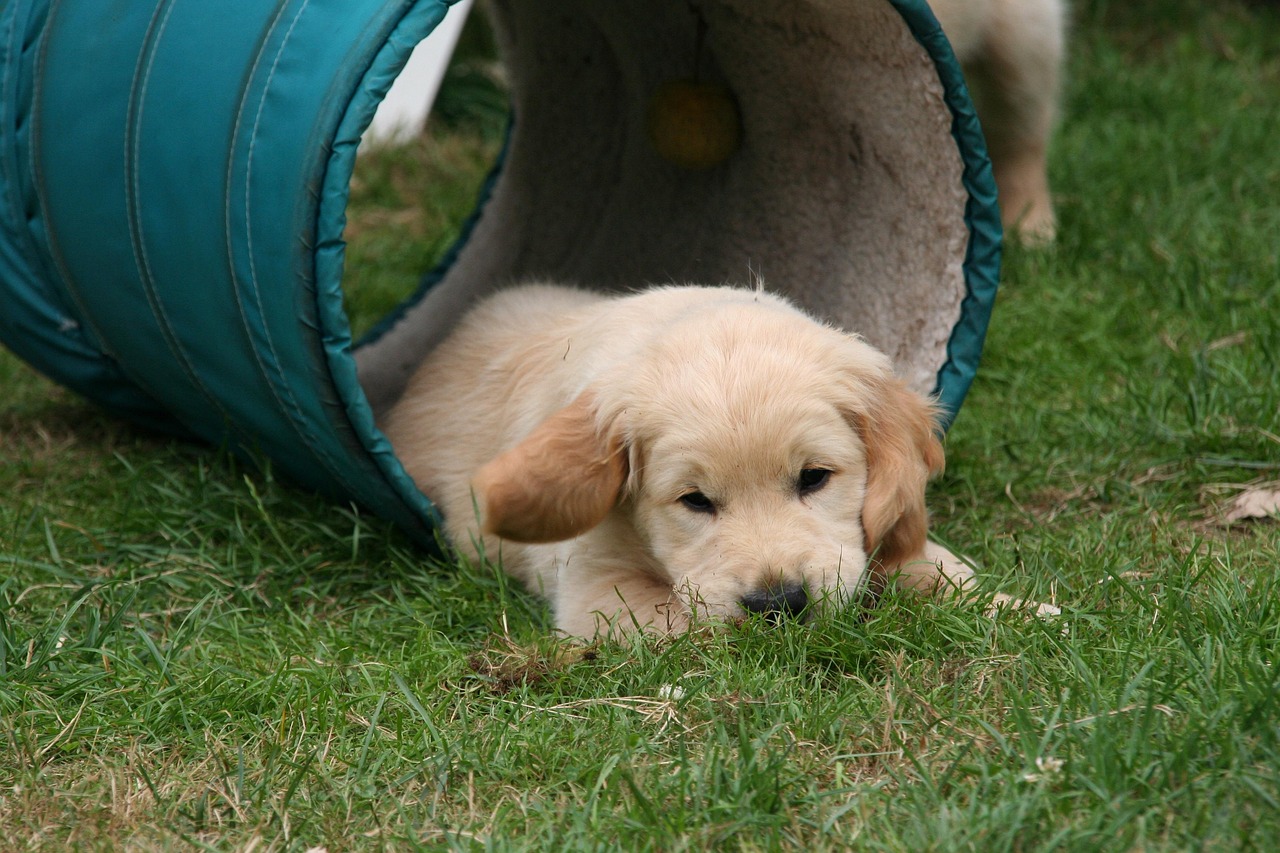

Monitoring Growth and Developmental Milestones in Puppies
Puppies grow rapidly during their early months, making it crucial for breeders to monitor their development closely. In the initial weeks, socialization and environment play a significant role in shaping their future behavior. Within the first five weeks, observe how they interact with littermates, which helps them to develop social skills. Such interactions include playing, asserting dominance or submission, and even responding to warnings from peers. Moreover, as they reach the critical period between three and twelve weeks, proper exposure to various stimuli is essential. This includes sounds, textures, and sights that they will encounter in their homes. Early handling by humans also fosters a positive attitude towards people. As a breeder, one should consistently assess if individual puppies are meeting expected milestones. This includes their weight gain, mobility improvements, and general health signs. Keeping a growth chart can be useful to track each puppy’s weight weekly. Following these guidelines allows breeders to ensure all puppies develop optimally, creating a foundation for future training and socialization experiences.
Throughout their growth stages, understanding the nutritional factors that influence a puppy’s development is essential. Puppies require a balanced diet that supports their energy and growth needs. Starting from the weaning phase, which usually occurs around four weeks, it’s essential to introduce puppy-specific food. This kind of nourishment has a tailored nutritional profile suitable for their rapidly changing bodies. Ensure that the food contains adequate proteins, fats, vitamins, and minerals. An imbalanced diet can lead to growth issues or health problems later. Also, hydration plays a crucial role in their overall health; fresh water should always be available. Monitor their eating habits meticulously, as loss of appetite could be an indicator of underlying health issues. Additionally, it’s critical to provide a safe feeding area, free from stress or competition. This not only encourages healthy eating habits but also promotes a content and calm demeanor in puppies. Portion control is necessary to prevent obesity, which leads to other health complications. An ideal growth trajectory will depend on optimal nutrition and careful monitoring throughout the early phases.
Assessing Health and Fitness
Monitoring a puppy’s health involves regular veterinary check-ups and vaccinations. During these visits, veterinarians conduct physical examinations, check for common parasites, and establish vaccination schedules. Regular check-ups can help identify any concerns about a puppy’s weight, dental health, and overall physical condition. Pay attention to developmental conditions such as hip dysplasia or patellar luxation, particularly in larger breeds. These issues can manifest early and warrant timely intervention. Moreover, breeders should educate themselves about breed-specific health predispositions; knowing these can lead to proactive measures. As puppies reach around eight weeks, vaccinations become vital for preventing diseases such as distemper and parvovirus. It’s also important to discuss spaying or neutering options as the puppy matures. Besides physical health, consider a puppy’s behavioral growth too, examining how well it adapts to trained commands or its social environment. Ensuring each puppy has a clean and comfortable living space can significantly influence their physical and mental growth. By focusing both on health evaluations and behavior, breeders can foster exceptional qualities in their puppies.
Socialization is another critical component of puppy development. This process should begin early, ideally within the first three months. Exposing them progressively to new experiences, sounds, and environments reduces fear-based behaviors later in life. During this phase, introduce them to different people, other dogs, and various environments to build their confidence. Puppy socialization classes can be instrumental in these experiences, as they provide a controlled environment for interactions. These classes also emphasize crucial skills such as bite inhibition and friendly play behaviors. It is vital to monitor interactions, ensuring that they remain positive. Any signs of fear or aggression should be addressed immediately to prevent lasting behavioral issues. It’s also worthwhile to reinforce positive behaviors during socialization through rewards. This promotes a sense of security and encourages desirable reactions. Training sessions amidst social interactions can also solidify learning and reinforce bonds. Properly socialized puppies typically enter adulthood as well-rounded and confident dogs. Therefore, dedicating time to socialization before they reach 16 weeks is essential for a successful transition into various settings.
Tracking Developmental Milestones
Specific developmental milestones mark significant growth changes in puppies. Understanding these benchmarks provides insights into their health and behavioral status. Within the first few weeks, check for developmental indicators such as the opening of eyes and ears; this is a critical sign of their maturation process. By three weeks, they begin to walk, increasing their exploratory behaviors. This progress should be documented for each puppy to note any variances from typical patterns. As puppies approach five weeks, they start to play with their littermates, a key activity that builds their physical and social skills. Puppies should also start eating solid food around four weeks old, transitioning from nursing. By eight weeks, each puppy should show a steady weight gain and demonstrate playful behaviors, as well as the ability to interact confidently. Observing any delays in these milestones could indicate potential health or behavioral issues that may require professional advice. Consistent assessments help breeders provide targeted interventions. Documentation of these milestones allows better tracking and improved interventions when necessary.
Another factor to consider in a puppy’s growth phase is the significance of physical activity. After they have gained mobility, regular playtime becomes vital not only for weight management but also for promoting proper muscle development. Outdoor time and supervised play with littermates or other puppies should be part of each day’s routine. Encouraging exploration in a safe, controlled environment stimulates mental and physical health. Use toys that fit appropriately in their mouths to engage them in play, while also ensuring the toys are safe and won’t pose choking hazards. Over-activity should also be avoided, especially in breeds prone to joint issues. Puppy playdates can be valuable for social growth, fostering interactions with other dogs in a guided manner. By incorporating various play styles and structured activities, you pave the way for a healthy, playful, and balanced demeanor. In addition to physical play, mental stimulation is equally essential. Consider puzzle toys or training exercises that challenge their intellect; these will build confidence and reduce unwanted behaviors like chewing or excessive barking.
Conclusion
Successfully raising well-adjusted puppies requires thorough monitoring of each growth phase. It involves a combination of appropriate nutrition, health assessments, socialization, and physical activities designed to promote balanced development. As breeders, your role extends to educating future puppy owners about these milestones, establishing best practices in care. Moreover, sharing insights on common challenges they may encounter fosters a collaborative approach to dog ownership. A detailed understanding of environmental factors that influence growth empowers breeders to make informed decisions regarding puppy placement in families. Continuous learning is vital; keep abreast of breeding best practices and emerging research in canine development. Regularly updating your strategies ensures the healthiest outcomes for both puppies and their owners. Remember that each puppy is unique, and understanding their individual milestones and needs is vital. Enthusiastic engagement and consistent follow-through can lead to enriched experiences for both the breeder and the puppy owner. Ultimately, nurturing strong connections, healthy pups, and responsible practices will lead to thriving partnerships in dog ownership, ensuring a bright future for each puppy.
Breeders aiming for excellence must acknowledge these considerations in legislation and welfare, ensuring a supportive environment at all levels. Only then can we produce dogs that not only excel in their roles but also thrive emotionally, mentally, and physically.