
Using Positive Reinforcement to Curb Aggressive Behavior Between Dogs
Aggression among dogs in multi-dog households can create a stressful environment for you and your pets. Understanding the root causes of aggression is essential to implement positive behavioral changes. Factors such as hierarchy, fear, and resource guarding often contribute to conflicts between dogs. Each dog’s unique personality should be considered, as their backgrounds and experiences shape their behaviors. A common misconception is that aggression can be resolved through punishment. Instead, using positive reinforcement techniques fosters a healthier atmosphere. It promotes desirable behaviors and strengthens your bond with your dogs. Training should begin gradually, focusing on each dog’s individual temperament and triggers. Patience and consistency play critical roles in modifying aggressive behaviors. Owners must establish boundaries and reinforce obedience commands, which help manage interactions between dogs. Techniques include rewarding calm behaviors and redirecting aggressive tendencies with distractions. The goal is to cultivate a peaceful multi-dog household. By fostering a supportive environment through positive techniques, owners can mitigate aggression effectively.
Understanding Canine Body Language
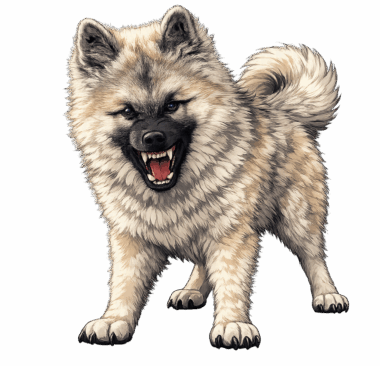
One of the most vital aspects of addressing aggression in dogs is understanding canine body language. By learning to interpret their signals, you can proactively prevent conflicts. Observing postures, facial expressions, and vocalizations offers insight into your dogs’ emotions. For example, a dog showing raised hackles, bared teeth, or a stiff body may feel threatened, indicating an impending aggressive response. Conversely, a relaxed posture with a wagging tail suggests contentment. Recognizing distress signs allows you to intervene before tensions escalate. When dogs display assertive behaviors, remove them from stimulating situations. Reward them for displaying calm behavior instead. By becoming attuned to your dogs’ non-verbal cues, you can catch early signs of discomfort. This proactive approach helps create a harmonious environment in households with multiple dogs. Implementing positive reinforcement for good behavior not only improves relationships between dogs but also ensures your dogs feel understood and respected. Educating yourself about canine communication strengthens your ability to manage aggression constructively. Employing these methods enhances your dogs’ well-being and enriches their lives within a shared space.
Setting Up a Safe Space
Creating safe spaces within your household is essential for managing aggression among dogs. Designated areas provide individual dogs with personal territories where they can retreat. These spaces help minimize tension and promote relaxation, particularly during times of conflict. Proper organization of your home can influence dogs’ comfort and behavior significantly. Establishing separate zones with beds, toys, and chew items reduces potential for competition. Each dog should feel secure within their area, helping alleviate anxiety. Providing visual barriers, such as gates or crates, can also foster a calm atmosphere. Supervision is critical when introducing dogs to one another’s spaces. Gradually easing dogs into sharing areas promotes confidence and understanding. Furthermore, rewarding them for accepting proximity will encourage cooperative interaction. When a dog exhibits signs of aggression, utilizing these safe spaces allows them to de-escalate without confrontation. Encourage positive interactions by ensuring that rewards for appropriate behavior occur frequently. Fostering an environment where dogs feel secure enhances their social skills, encouraging amicable relationships in a multi-dog household.
Consistency in Training
Consistency in training methodologies is paramount when addressing aggressive behaviors in multi-dog households. Using the same commands, gestures, and rewards across all interactions establishes a common understanding for your dogs. Each dog needs to know what is expected to reduce confusion during training sessions. Implementing the same rules consistently helps to reinforce positive behavior. It is essential to involve all family members in the training process to maintain a uniform approach. Inconsistent behavior can confuse dogs, potentially leading back to aggression. Alongside consistent verbal cues, employing visual signals during training enhances clarity in communication. Setting training sessions that are brief but frequent ensures engagement without overwhelming your dogs. Positive reinforcement strategies, such as clicker training, can be particularly effective in these settings. Offer treats, praise, or playtime to reward desired behaviors immediately. Over time, this approach helps dogs learn appropriate conduct, minimizing aggressive tendencies. Reinforcing good behavior consistently promotes a stable relationship between dogs, encouraging a peaceful coexistence in shared spaces. Commitment and consistency lay the foundation for long-term behavior improvement in multi-dog households.
Redirecting Aggression
Redirecting aggression is a vital technique for minimizing aggressive behavior in multiple dogs. This involves diverting a dog’s attention away from triggers and towards more constructive activities. When a dog begins to show signs of aggression, swiftly redirecting their focus can prevent escalation. Various forms of redirection can be employed, including engaging in play, offering distractions, or initiating training commands. Incorporating toys or puzzles can also shift the dog’s attention effectively. Rewarding them for engaging in these positive behaviors reinforces their learning experience. Consistent redirection gives dogs a better understanding of acceptable outlets for their energy and stress. Additionally, encouraging cooperative play among dogs fosters positive associations with one another. To ensure effective redirection, it’s crucial to recognize each dog’s triggers and temperaments beforehand. This anticipatory approach enables owners to intervene timely and reduce the chances of aggressive confrontations. Over time, these methods promote positive associations and reduce anxiety during shared interactions. Utilizing redirection enhances the pack dynamics, nurturing a harmonious atmosphere for all pets involved.
Socialization with Other Dogs
Socializing your dogs is an integral aspect of curbing aggression within multi-dog households. Gradually introducing dogs to new environments and various canine companions can improve their social skills significantly. Proper socialization techniques enable dogs to learn acceptable interactions and develop confidence. Initiating controlled introductions facilitates positive experiences, guiding your dogs towards appropriate behavior during encounters. Enrolling them in dog classes or playgroups under supervision promotes safe interaction. Encourage playtime in neutral areas to minimize territorial instincts. Observing your dogs’ behaviors during socialization helps identify any anxiety, aggression, or discomfort. Addressing issues early on with positive reinforcement allows dogs to associate new experiences with rewarding outcomes. Pairing these engagements with treats and praise reinforces desirable behavior. Regular socialization prepares dogs for unexpected encounters, ultimately reducing anxious or aggressive reactions. Exposing them to various scents, sounds, and sights promotes adaptability. The benefits extend beyond improved behavior, as larger social circles often lead to stronger bonds between dogs. Investing time in proper socialization creates a more cohesive, peaceful multi-dog household, enhancing overall contentment and happiness.
Conclusion: The Benefits of Positive Reinforcement
In conclusion, employing positive reinforcement techniques is crucial to effectively curb aggressive behavior among dogs in multi-dog households. This approach nurtures a supportive environment, allowing dogs to feel secure. Positive reinforcement techniques build trust and strengthen bonds between you and your pets. Correctly identifying triggers and implementing consistent training practices enhances long-term success in behavior modification. Understanding canine communication, providing safe spaces, and ensuring consistent routines are pivotal for addressing aggression. Redirecting aggressive responses helps dogs channel their energy into constructive activities, reducing instances of conflict. Additionally, fostering socialization with other dogs creates opportunities to develop more positive behavior during interactions. By prioritizing these strategies, not only do you promote a harmonious living situation but also improve your dogs’ overall quality of life. Ultimately, the transformation this approach can yield is invaluable—creating a more peaceful home for everyone. Embracing these techniques paves the way for a lively, friendly relationship among your furry companions, allowing them to thrive as they coexist peacefully.