
Age-Related Obedience Challenges: Training Puppies vs. Adult Dogs
Training dogs can be a rewarding yet challenging endeavor, particularly when addressing obedience challenges related to the dog’s age. Puppies, typically between eight weeks and six months old, possess distinct learning capabilities that differ markedly from their adult counterparts. During this critical developmental phase, puppies are highly impressionable, meaning they can absorb new information rapidly, albeit with shorter attention spans. This can pose challenges in maintaining consistent training sessions. However, with effective strategies, people can teach puppies basic commands and appropriate behaviors, fostering a lifelong bond. Adult dogs, on the other hand, may present unique hurdles. They often come with established habits that can be hard to break. Their previous experiences can shape their responses to new commands, making training a different process than it is with puppies. Establishing authority and consistency becomes essential. Additionally, adult dogs may have physical limitations that can restrict their training capabilities. Understanding the characteristics of both age groups will lead to more successful training outcomes. This article explores the differences in training tactics, emphasizing suitable techniques for each age group.
The initial step in dog obedience training is recognizing how attention spans vary across ages. Puppies enjoy spontaneous learning environments filled with social interactions, making them eager learners. Using techniques such as positive reinforcement can significantly enhance puppy training experiences. These might include treats, praise, or playtime as rewards for appropriate behavior. In contrast, adult dogs might require specific reminders to stay engaged during training sessions. In this case, incorporating more structured training methods is vital. Engaging adult dogs in activities they enjoy can tap into their motivation. Establishing a consistent schedule for training, allowing for regular refreshers on commands, ensures that dogs remain familiar with the expectations. Moreover, providing appropriate physical outlets, such as walks and playtime, can alleviate distractions or restlessness. This holds true for both puppies and adult dogs. Building obedience features heavily in creating a harmonious relationship throughout their lives. Young dogs should learn basics such as ‘sit’ and ‘stay’ early on, whereas adult dogs may need relearning. These considerations form essential components of successful obedience training strategies for either stage of life.
Challenges in Training Puppies
Training a puppy can be an exhilarating challenge filled with both joys and obstacles. One major hurdle is their tendency to chew and explore everything in sight—an instinctive behavior stemming from their natural curiosity. During this phase, it’s important to establish boundaries. Owners should redirect puppies by substituting undesirable items with appropriate chew toys. Additionally, potty training is often another significant challenge faced with puppies. They have tiny bladders and may not yet understand cues to go outside. Developing a schedule that enforces frequent outdoor breaks helps establish good potty habits. Using verbal cues and positive reinforcement can further encourage desired behaviors. Socialization is equally crucial; exposing puppies to various environments, people, and other animals is essential for their development. This can prevent them from developing fear or aggression towards unfamiliar situations as adults. Lastly, consistency and patience are paramount. Short, fun training sessions work best for maintaining a puppy’s attention and enthusiasm. Preparing for less-than-perfect moments and celebrating small victories will strengthen the bond between puppy and owner, resulting in a well-adjusted adult in the future.
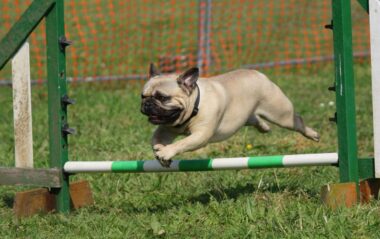
Training adult dogs presents its unique challenges; often, they come with pre-established behaviors that can complicate training sessions. Adults may have behavioral issues that necessitate extra patience, as these can stem from negative experiences or environments earlier in life. Addressing fear or aggression tendencies requires careful handling and often professional guidance. While adult dogs may be less energetic in their learning phases compared to puppies, they often possess a depth of understanding that can be utilized effectively. Clear communication becomes even more crucial as adult dogs might be resistant to new commands initially. Utilizing existing knowledge while gradually introducing new commands is a successful approach. Incorporating previous skills can speed up learning and may boost confidence in adult dogs. Creating a routine fosters assurance, as dogs thrive on structure. Owners should remain patient and consistently reinforce progress, whether big or small. Engaging activities like agility training can enhance the adult dog’s physical and mental wellbeing. The ultimate goal remains enhancing the dog’s reliability in obedience commands, fostering joy in both the pet and the owner during interactions.
Socialization and Its Importance
Socialization is critical in establishing a well-adjusted dog, regardless of age. Puppies are particularly adaptable, and early socialization can prevent the development of behavioral issues later in life. Introducing puppies to various situations helps them learn how to interact positively with new experiences and beings. Group classes can also offer an opportunity for puppies to learn important skills in a safe environment while playing with other dogs. This facilitates both play and learning dynamics. Adult dogs, however, might resist socializing if they have had negative experiences or limited exposure in their formative years. Socialization efforts can take longer, requiring gradual steps to acclimate adult dogs to various situations. Positive reinforcement remains a key approach in forging social bonds, promoting successful interactions. Taking adult dogs on varied walks, or introducing them slowly to new surroundings can help build confidence. Gradual exposure to people and situations bolsters a dog’s ability to adapt positively. Throughout this process, a keen eye is essential, noting subtle cues that might indicate a dog’s discomfort and proceeding carefully ensures safety. Socialization efforts will ultimately benefit obedience levels as dogs learn to navigate their environments effectively.
In conclusion, understanding the differences in training techniques for puppies and adult dogs opens numerous pathways for successful obedience training. Puppies are eager to learn, often soaking up information quickly, while adult dogs, although potentially more challenging due to ingrained habits, can also provide rewarding training experiences with the right methods. Structure, reinforcement, and establishing clear expectations are cornerstones regardless of the age group. Training sessions should promote trust and understanding between the dog and the owner, leading to better compliance with commands over time. Patience is essential. As experts suggest incorporating fun and engaging learning opportunities for both stages of life will enhance the experience for the dog. Building a strong foundation early on is recommended when training puppies, while adult dogs benefit from consistency and acknowledgment of their past experiences. Every dog is unique; tailoring methods to suit an individual animal can yield optimal results. The ultimate objective remains a harmonious relationship where training enhances everyday interactions, fostering respect and loyalty. With dedication from owners and understanding of specific age-related challenges, people can successfully nurture well-behaved dogs that thrive in various situations.