
Training Your Cat to Use a Scratching Post to Reduce Stress
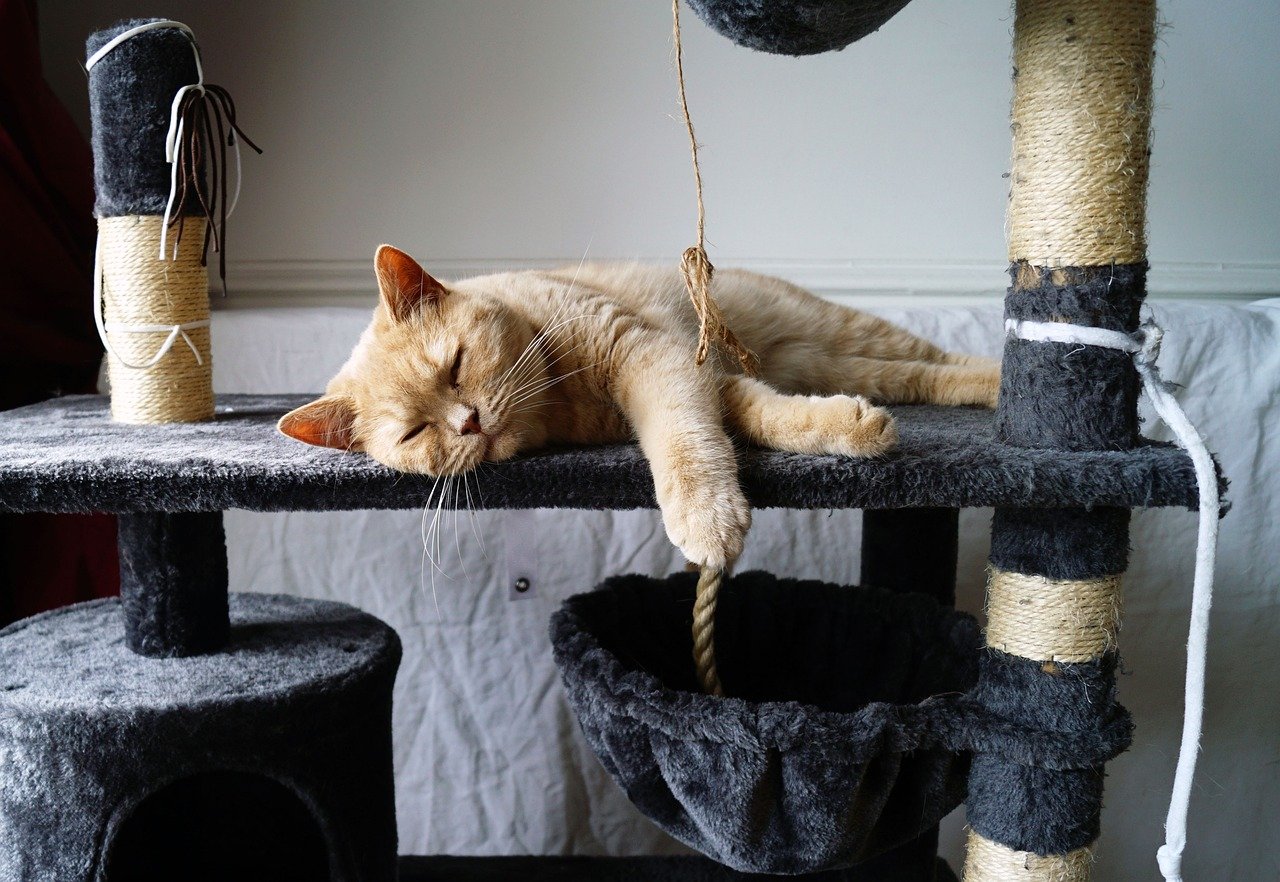
Training your cat to use a scratching post is vital for their mental health and well-being. Cats are natural scratchers, and they use this behavior to maintain their claws, mark territory, and alleviate boredom or stress. A well-placed scratching post can provide an appropriate outlet for these instincts. Ensure you are choosing a suitable scratching post for your cat. Look for one that is tall enough to allow stretching, stable enough to withstand vigorous scratching, and covered with material appealing to your cat, such as sisal or cardboard. Position the scratching post in an area where your cat frequently spends time. This could be near their litter box, feeding area, or a favorite lounging spot. Additionally, integrate toys and climbing structures nearby, creating a stimulating environment for your feline. It is crucial to encourage your cat to use the scratching post right away. Use treats or catnip to lure them. Be patient when training them; every cat learns at its own pace. It is essential to reward them immediately when they use the post, reinforcing the desired behavior effectively.
Another effective technique is to redirect their scratching behavior. Always discourage scratching on furniture or carpets. When you catch your cat scratching inappropriate items, gently redirect them to the scratching post. Do this without yelling or scaring your cat, as this could increase their anxiety. Create positive associations with the post by placing treats or toys nearby. When they approach or use the scratching post, praise them enthusiastically. This reinforcement will motivate your cat to repeat the behavior. Observe your cat’s preferences. Cats may prefer vertical or horizontal surfaces; determine which type of post they favor and adjust accordingly. If they are reluctant to use the post, consider trying different designs or materials until you find one that suits them. In addition, consider placing multiple scratching posts in various locations; some cats feel more comfortable displaying their natural behaviors in different parts of their environment. This ensures they have numerous outlets for stress relief. Maintaining a clean environment also encourages your cat to thrive. Regularly inspect the scratching posts for wear and tear; replace them when necessary to keep your cat happy and engaged.
Understanding Cat Behavior
Understanding cat behavior is paramount in training them to use a scratching post effectively. Cats are creatures of habit and often thrive on routine. By observing their daily habits, you can create an atmosphere that meets their physical and mental needs. Learning about their body language can also give invaluable insight into their comfort levels. A relaxed cat will often knead or stretch before scratching. When you recognize these signs, gently guide them towards the scratching post. Avoid forcing them; this may cause stress. Instead, focus on building their confidence. Providing reassurance can help alleviate any anxiety they may experience when using the post. It is also worth noting that each cat is unique. Some cats may take to their scratching posts with enthusiasm, while others require time and encouragement. Avoid punishment for undesirable scratching behaviors, as this may lead to fear-based responses. Ultimately, your goal should be to create positive experiences around the scratching post. Through patience, consistent reinforcement, and an understanding of their behavior, you can cultivate a positive training experience that leads to reduced stress and fulfilled expectations for your cat.
Another aspect of training involves business understanding. Your cat’s claws serve a crucial purpose beyond just scratching. Claw health is vital for their overall well-being. Regular scratching helps shed the outer layers of their claws, keeping them sharp and healthy. Without a proper outlet, cats may develop long, painful claws that could impede their movement. Regular scratching also helps manage their stress levels. Cats can experience anxiety just like humans. By providing an avenue for them to scratch, you’re giving them the means to release pent-up energy and stress. Observations in the wild show that scratching posts serve as a territory marker, informing other animals of their presence. Replicating similar areas in our homes helps cats feel secure. Furniture may seem like a perfect target, but it doesn’t provide the same benefits as a dedicated scratching surface. You can further enhance their experience by regularly rotating and refreshing the scratching posts, keeping the environment stimulating and engaging for your cat. Consider varying the height and size of posts available, providing a variety of experiences for their boredom or anxiety relief.
Maintenance of Scratching Posts
Maintaining scratching posts is essential for their functionality and your cat’s mental health. Regular upkeep is necessary for keeping their interest and ensuring safety. Clean the posts routinely by removing stray hair and accumulated debris. This helps maintain the hygiene of your pet environment while also encouraging use. A messy post may deter your cat. Additionally, regularly inspect scratching posts for wear and tear. If a post becomes unstable, it may lead to dissatisfaction and injury. You can prolong the life of the scratching post by reinforcing it with new material or replacing parts when they wear down. Also, ensure the post remains in good condition to encourage your cat’s usage. Some cats may prefer certain posts due to the texture, so keeping a variety of posts in good repair is wise. Interchangeably placing these posts will help sustain interest throughout time. However, if you notice your cat is consistently avoiding their scratching post despite your efforts, it might be time to reconsider the design. Moving posts to a different location, or adding features like toys, can reinvigorate interest and encourage healthy stress management through scratching.
Creating a holistic approach to your cat’s well-being is crucial. A multi-dimensional training plan combines mental and physical activities. Cats need stimulation beyond scratching to thrive. Introduce interactive toys, puzzle feeders, or climbing toys to provide mental engagement. Alternatively, dedicate time daily for play sessions to strengthen your bond. Creating a routine that integrates training and play leads to better results. Routine not only offers predictability but also stability, crucial for alleviating stress in cats. Consider rotating toys or activities, ensuring they stay fresh and exciting for your cat. Observe their preferences closely; understanding what intrigues them can guide your approach to training and engagement. You can further enhance this by including small rewards after engaging activities like using the scratching post or completing play sessions. Stress can lead to various health issues, and by fostering activities that satisfy their natural instincts, you significantly improve their overall happiness. Foster an environment of care and understanding. Remember, training is a process; each cat learns uniquely. This holistic approach ensures they have the best resources for their mental health through consistent encouragement and creative engagements.
Conclusion
In conclusion, promoting your cat’s mental health through effective training for scratching behavior can improve their overall well-being. Utilize the steps outlined, focusing on understanding their natural behaviors while providing appropriate outlets for stress relief. Establish multiple scratching posts and ensure they remain well-maintained and in stimulating locations. Remember that patience and positive reinforcement are essential throughout this process. Gradually introduce your cat to these environments while monitoring their responses, adjusting your strategies accordingly. Engage with them frequently, fostering a deeper bond that aligns with their instincts and unique habits. Avoid punitive measures if they stray from using the scratching post initially; instead, focus on encouraging and redirecting their natural instincts effectively. Your efforts will undoubtedly transform how your cat navigates stress and enrich their surroundings, promoting a balanced and healthy life. As you nurture their mental health through these methods, appreciate your cat’s needs and behavior, adapting your techniques with love and understanding. Encourage exploration and play, which are vital components of their happiness. With time, your cat will likely thrive, enjoying their scratching posts and ultimately leading to a satisfied and mentally healthy feline companion.
Through these methods, you will create an enriching home environment where stress is significantly reduced. This ensures that your cat thrives emotionally as well as physically. A stress-free environment for a cat creates a holistic health benefit that conveys security and comfort. Offering various activities, alongside the scratching post, supports the natural behavioral patterns intrinsic to your cat’s well-being. Cats are creatures of instinct, advocating for their needs throughout their daily routines. Ensure that their needs are met, and they will reciprocate that with affection and companionship. The consistent application of these training techniques produces lasting benefits to their mental state and aids in balancing anxiety levels. Ultimately, a well-trained cat is a joyous addition to any home. Therefore, a combination of understanding, engagement, and maintenance will fulfill their needs significantly. They thrive in environments where they feel safe to express their needs. Offer them options, and watch as they flourish in your care, showcasing happier behaviors. The journey of training may vary, but remembering the importance of each step ensures you advocate for your cat’s health while creating a fulfilling relationship with them.