
Natural Remedies to Support Your Dog’s Oral Hygiene
Maintaining your dog’s dental hygiene is crucial for overall health. Natural remedies can play a significant role in supporting this. First, consider adding crunchy vegetables such as carrots to your dog’s diet. These can help remove plaque and food particles. Furthermore, aiding with chewing, they can keep their teeth cleaner and gums healthier. Other options include apples, which offer vitamins while acting like a natural toothbrush. However, beware of seeds, as they can be harmful to dogs. Another excellent addition for improving oral care is coconut oil. Rich in lauric acid, it can help reduce harmful bacteria in your dog’s mouth. Daily brushing with coconut oil may lead to fresher breath. Additionally, look for herbal solutions like parsley or mint, which can help in freshening breath. Furthermore, you can introduce dental chews made from natural ingredients, ensuring they are free from artificial preservatives. Incorporating these items into your dog’s diet can create a multifaceted approach to oral health. Regular vet check-ups will further enhance their dental program, allowing timely interventions if needed.
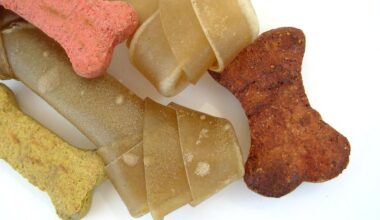
More than just diet, environmental factors affect your dog’s dental hygiene. Regular cleaning of your dog’s oral environment is essential. Begin by selecting suitable toys for your dog that promote chewing and reduce plaque buildup. Rubber toys or rawhide are excellent options but monitor them for wear and tear. Utilizing non-toxic dental sprays can also support oral health. Available in various flavors, they’re easy to add to your daily routine. Lastly, using a toothbrush and toothpaste specifically designed for dogs ensures effectiveness. Invest time in teaching your dog to accept this routine. You can start by letting them lick off some pet-friendly toothpaste from your finger, introducing them gradually to brushing. Consistency is key; aim for at least two to three teeth cleaning sessions a week. It can also make the experience enjoyable by rewarding your dog after each session. Incorporating these activities into your weekly schedule can significantly benefit your pet’s dental care. Consider consulting your veterinarian about suitable products and practices for a tailored plan to enhance your dog’s oral hygiene.
Herbal Solutions for Dog Dental Care
Incorporating herbal solutions into your dog’s dental routine is effective. Herbs such as neem, known for its antibacterial properties, can assist in maintaining healthy gums. You may consider adding neem oil to your dog’s mouth when brushing. Additionally, chamomile can soothe inflamed gums and minimize dental discomfort. Providing chamomile tea, cooled and diluted, may encourage your dog to consume the benefits. Besides chamomile and neem, peppermint is another helpful herb for freshening breath. Crushed leaves or peppermint oil can be introduced into your dog’s diet safely. However, always confirm your dog can tolerate these herbs. Furthermore, dandelion is an excellent option for supporting liver health, also benefiting the dental system. Offering dandelion greens can assist in maintaining the overall mouth’s flora. Lastly, incorporating slippery elm may support gum health due to its soothing nature. As with any new additions, consult with your veterinarian to ensure safety. Regularly using these herbs can establish a holistic approach to your dog’s dental care regimen, potentially minimizing dental-related concerns in the long term.
Besides dietary adjustments, certain dental gadgets can aid in cleaning your dog’s teeth naturally. Many products are available that work on varying levels, from simple toothbrushes designed for animals to comprehensive dental kits. Selection of the right product is vital for the best results. Consider soft-bristled toothbrushes to minimize discomfort. Toothpaste specifically created for dogs should be used, as human toothpaste can be harmful. For hard-to-reach areas, finger brushes are also an option. Performing gentle yet thorough brushing can help in plaque removal, promoting healthier gums. Exploring dental water additives can also prove beneficial. These are designed to be mixed with your dog’s drinking water and help in combating bacteria. Similarly, look for dental gels that can be applied directly to your dog’s teeth, providing an easy alternative to brushing. Regular use of these products can effectively support oral hygiene routines without requiring excessive time. Combined with natural chewing alternatives and consistent vet advice, your dog can enjoy a healthier and cleaner mouth while preventing future problems from arising.
Promoting Good Dental Habits Early
Establishing good dental habits early in your dog’s life is crucial for longevity. Puppies are impressionable, making this the optimal time for adoption of proper oral care routines. Introducing them to brushing at a young age can acclimate them to the process. Modify sessions into fun bonding moments that create a positive association with dental care. Consider rewarding your puppy for compliance, making the experience enjoyable and straightforward. Furthermore, provide relevant chew toys from the outset, promoting a natural cleaning principle. These can further instill an understanding of the importance of an appropriate chewing routine. Early seminars or workshops about canine dental hygiene can also serve useful knowledge to new pet owners. Encourage social interactions with other dogs whose dental routines are well established, emphasizing the importance of hygiene. Additionally, engage in doggy playgroups where healthy dog habits are encouraged. This supportive community can provide motivation for consistent practices. As habits form, more complex dental care can be introduced over time. A proactive approach to your puppy’s dental habits can save you and your pet trouble in the long run, laying the groundwork for a healthy, vibrant life.
Pet owners often overlook the connection between diet and dental hygiene. Your dog’s overall diet can profoundly impact their teeth. Focus on providing high-quality dog food containing essential nutrients. Nutrients like calcium and phosphorus can promote strong and healthy teeth. Harmful additives or excessive carbohydrates can contribute to dental issues; therefore, selecting the right food is imperative. Be mindful of how many treats you provide, ensuring they don’t replace balanced meals. Instead, opt for healthy treats; dental chews specifically designed to clean teeth can serve dual purposes. Moreover, including fiber-rich foods can facilitate digestion and support in naturally cleaning teeth as they chew. Fresh fruits and vegetables also contribute positively to oral health by providing crunchy textures that assist in dislodging debris. Always wash foods thoroughly and ensure they’re suitable for your dog. Additionally, observe their reactions to various foods; introduce new items gradually to monitor for any adverse effects. Overall, investing in your dog’s diet will pay off in terms of not only oral hygiene but overall health, paving the way for a happier pet.
Regular Veterinary Check-Ups
Consistent veterinary check-ups are paramount to effective dog dental care, identifying issues early. Regular examinations allow your vet to identify and address any dental conditions, such as gum disease, before they escalate. Formulate a schedule for check-ups, ideally once a year, or every six months for older dogs. Professional cleaning services can provide deeper cleaning when needed. During check-ups, ask your vet about effective home remedies tailored for your dog’s specific needs. Ensure any recommendations come from a reliable source, considering their professional insights to safeguard your pet’s dental hygiene. Discuss the frequency of cleanings required based on your dog’s breed, as certain dogs may have predispositions to dental problems. Moreover, veterinary dental professionals can keep you informed about the latest products and techniques for preventive care. They may advise on adjustments based on your dog’s response to certain diets or oral products. Offering feedback on what works may be beneficial for both you and the veterinarian. By prioritizing routine check-ups, you’ll manage your dog’s oral hygiene more effectively while minimizing health risks over their lifetime.
Your commitment to using natural remedies enhances your dog’s overall well-being. Coupling these methods with veterinary guidance enhances the approach to dental care. Encouraging your dog to participate in their dental hygiene journey involves enriching activities. Providing them with choices in the types of chews can lead to positive experiences, helping reduce stress surrounding care routines. Furthermore, allowing the dog to engage with innovative dental tools can motivate them in the process. Throughout their lives, maintain an open line of communication with your vet, discussing routines and adjustments as your dog ages. Puppies have different needs compared to senior pets. Moreover, create an atmosphere surrounding dental care that respects and supports their unique personalities. Engaging with your dog, understanding their preferences, and actively educating yourself helps reinforce positive habits. Always be aware of any behavioral changes in your dog that may arise from dental discomfort. Over time, these habits will cultivate a robust framework supporting oral health. You can make significant strides in enhancing your dog’s quality of life through careful attention to natural remedies and diligent care practices.