
Recognizing Common Ear Injuries in Cats: A Guide for Pet Owners
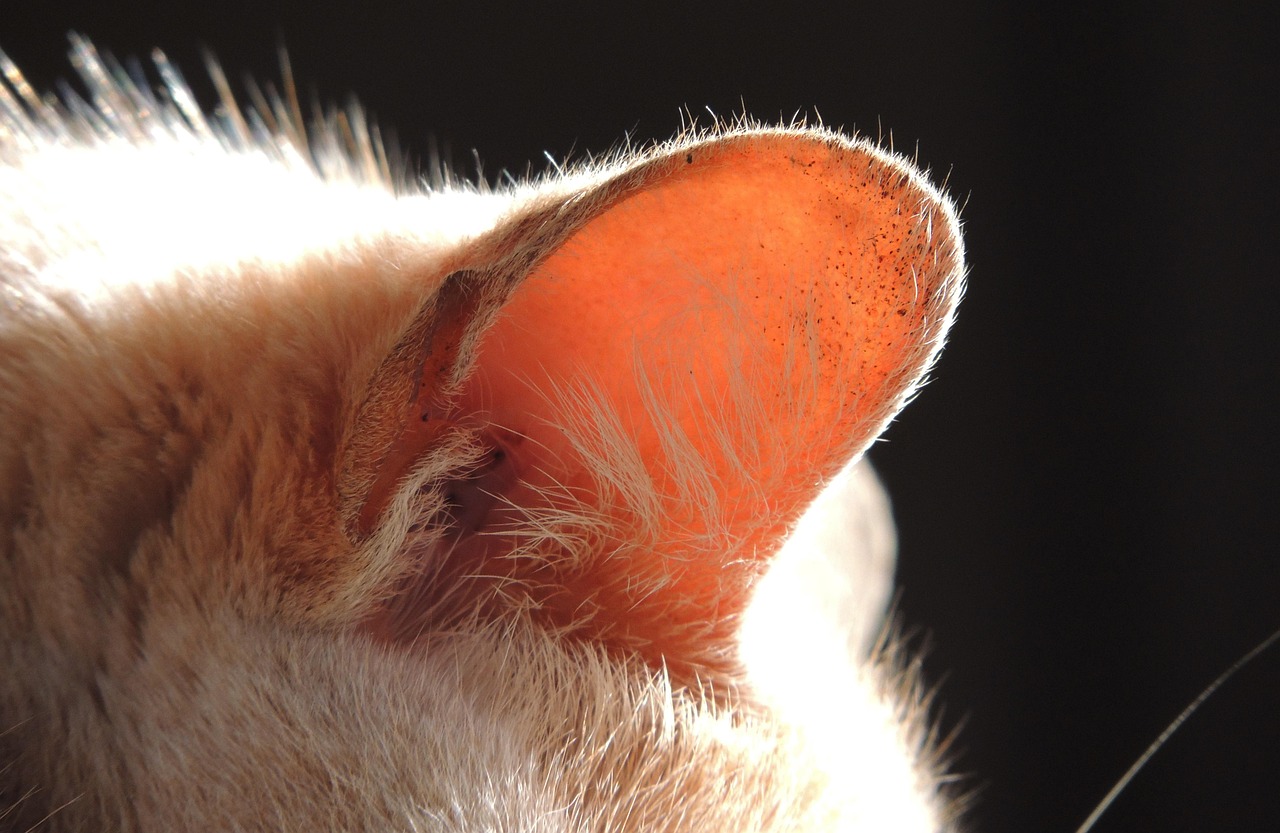
As a cat owner, understanding ear injuries and infections is crucial for your pet’s well-being. Cats are prone to several ear-related problems, ranging from minor scratches to severe infections. It is essential to recognize the signs and symptoms to obtain timely help. Common causes of ear injuries include fights with other animals, rough play, and self-inflicted wounds due to itching or irritation. Additionally, ear infections may arise from allergies, wax buildup, or parasites such as ear mites. Make sure to examine your cat’s ears regularly for any unusual changes. Look for swelling, redness, or discharge. A healthy ear appears clean, with minimal wax buildup. If you notice excessive scratching or shaking of the head, it may indicate an underlying issue. Quick detection of ear injuries can prevent complications that may affect your cat’s overall health. Always consult with a veterinarian for a thorough examination and appropriate treatment options when faced with ear concerns. Stay aware of changes in your cat’s behavior and consult a professional for early intervention.
One of the first signs of an ear injury in cats is scratching or pawing at the ears. This behavior often accompanies discomfort due to underlying issues, such as infections or injuries. Observing your cat’s habits is essential to identify these problems early. Another indication to watch for is head shaking or tilting, which can signal that your cat is attempting to relieve pressure or pain in the ears. You may also notice redness or swelling around the ear area. The discharge from the ear can come in various forms, such as a brown, black, or yellow substance, which may be associated with infection or parasites. Make it a practice to check your cat’s ears weekly to spot any abnormalities. If you discover dark, waxy buildup or a foul odor, these are signs that a vet’s visit is warranted. Additionally, irritability or changes in behavior can offer insights into ear issues. Understanding your cat’s normal behavior will help you recognize when something is amiss, prompting you to seek veterinary assistance without delay.
Common Types of Ear Injuries
There are various types of ear injuries that cat owners should be aware of, including abrasions, hematomas, and severe infections. Abrasions often arise from physical trauma during fights or accidental injuries. These injuries may heal quickly but can become infected if not monitored. A hematoma occurs when blood collects between the skin and cartilage of the ear flap, typically resulting from aggressive scratching or head-shaking. This condition can be painful for your cat and may require surgical intervention. Ear infections, on the other hand, can be caused by bacteria or yeast. Symptoms of infections include swelling, redness, and foul odor. Pay close attention to your cat’s behavior and note any changes that might suggest an ear injury. Proactive pet care includes regular cleaning of your cat’s ears without going too deep into the ear canal. Using a veterinarian-recommended cleaning solution can help maintain ear health. Avoid using cotton swabs, as they can push debris further into the canal and potentially cause damage.
In some cases, parasites such as ear mites can lead to ear infections and injuries. Ear mites are tiny parasites that thrive in your cat’s ear canal, causing inflammation, irritation, and significant discomfort. These pests can be easily transmitted between animals, so it’s crucial to seek treatment promptly if you suspect an infection. Symptoms include scratching, shaking the head, and unusual odors emanating from the ear. If you notice these signs, schedule a vet appointment for diagnosis and treatment. Early intervention is key to preventing more serious issues, including potential hearing loss. Treatment for ear mite infestations typically consists of medicated ear drops or topical ointments. In some cases, oral medications may be prescribed to eradicate the mites completely. Additionally, maintaining a clean environment not only helps prevent mites but also limits the chances of ear infections. Regularly cleaning bedding, toys, and litter boxes will contribute to your overall pet health efforts. Being proactive in your pet’s healthcare can make a significant difference in their quality of life.
How to Clean Your Cat’s Ears Safely
Proper ear cleaning is an essential practice in maintaining your cat’s ear health. Begin by gathering the necessary tools such as a pet-safe ear cleaner and cotton balls or pads. It’s best to have your cat comfortable and relaxed before starting the process. Ideally, have someone help you gently hold the cat while you clean its ears. Apply a few drops of the ear cleaner into the ear canal, then massage the base of the ear to ensure the solution reaches all areas. After allowing the cleaner to dissolve wax and debris, use a cotton ball or pad to wipe away excess fluid and buildup carefully. Avoid inserting anything deep into the ear channel, as this could cause damage. Remember, while regular cleaning is advisable, it should be done with caution to avoid irritation. If your cat shows signs of pain or if you suspect an injury, refrain from cleaning and contact your veterinarian. They can provide guidance on proper care and can perform thorough cleaning and examinations if necessary.
Monitoring your cat’s overall health includes being aware of their ear conditions and treatments when required. If a veterinarian diagnoses your cat with an ear injury or infection, they might prescribe topical medications or systemic treatments like antibiotics. Always complete the full course of any medications, even if your cat seems to improve. Failing to do so can lead to recurrent infections or resistance to treatment. Follow-up appointments may be necessary to ensure the infection is completely resolved. Signs that improvements are in process might include the resolution of swelling or discharge and reduced itching or discomfort. Additionally, providing your cat with a healthy diet can support their immune system and help prevent future ear issues. Regular check-ups with your veterinarian can further aid in early detection of potential problems. Being proactive in your cat’s ear health can ensure they remain comfortable and pain-free. Always communicate openly with your veterinarian about any concerns you may have regarding your cat’s ears or overall health.
Conclusion: Be Vigilant and Act Quickly
Cats depend on their owners to recognize and respond to ear injuries and infections promptly. Maintaining vigilance with regular check-ups and thorough at-home evaluations can help keep your pet in optimal health. Understanding symptoms like head shaking, scratching, or an unusual odor can lead you to act quickly, reducing suffering for your cat. Consultation with your veterinarian should follow any observation of concerning behaviors. Remember that ear injuries can worsen if left unchecked, leading to increased discomfort and complications. Always be proactive about your cat’s ear hygiene and seek help when required. By fostering a healthy environment and maintaining open lines of communication with your vet, you can effectively ensure the well-being of your feline companion. Your diligence as a pet owner makes a significant difference in your cat’s life, enabling you to address potential issues before they escalate. Taking timely action benefits not only your cat’s health but also promotes a stronger bond between you and your furry friend.
In conclusion, awareness and education about ear injuries and infections in cats can greatly enhance your ability to care for your pet. Although these issues can be alarming, a comprehensive understanding of the symptoms and treatments available will empower you as a pet owner. Frequent examinations, medication compliance, and veterinary consultations are essential facets of ear care. Remember that a happy and healthy cat is your ultimate goal, and being informed enables you to make the right decisions. The bond you share with your feline friend can be strengthened through proactive health care measures, particularly concerning their sensitive ears. Lastly, share your knowledge with fellow cat owners and encourage them to be vigilant too. With mutual support and understanding, we can create a healthier and happier environment for our beloved pets. Therefore, don’t hesitate to reach out to professionals when needed or when you are uncertain about your cat’s condition. Taking action early is always a wise course of action that can lead to successful outcomes for your cat’s ear health.