
Top 10 Camera Settings for Dog Show Photography
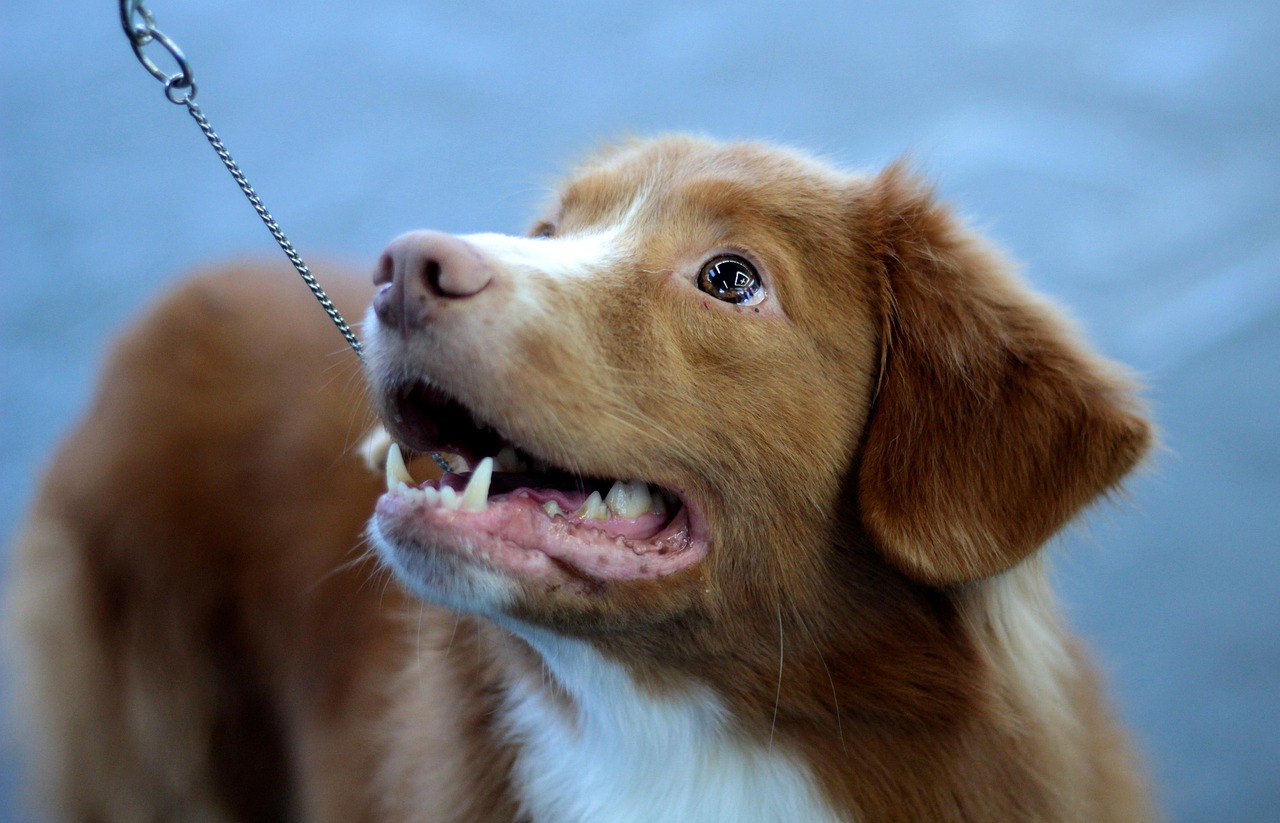
Capturing the beauty and grace of dogs at shows requires determining the right camera settings. Start by choosing the ideal mode for your camera. For many photographers, the Shutter Priority mode can be beneficial, allowing you to control motion blur while the camera adjusts the aperture for the best exposure. This mode proves essential when photographing active dogs, as it helps freeze action shots showing dogs in their prime. Additionally, consider using a fast shutter speed of at least 1/500 second, which ensures you capture those spontaneous moments as dogs prance with elegance. Next, let’s discuss aperture values. Opt for a wide aperture, like f/2.8 or f/4, for beautiful bokeh effects while maintaining focus on the subject. This choice helps blur the background and draws attention to the dog, achieving a pleasing composition. Remember that lighting conditions can change rapidly, so set your camera to Auto ISO. This feature enables the camera to adapt and maintain optimal exposure in varying light situations, ensuring your shots are dynamic, bright, and full of life when light is inconsistent at shows.
Another vital setting to consider is white balance. Dog shows can take place under a multitude of lighting types, from warm sunlight to fluorescent indoor lights. Manually setting the white balance ensures accurate color reproduction, preserving the natural beauty of each breed. Use a gray card to calibrate your settings correctly and avoid color casts that could compromise your images. Another essential setting involves focus mode. Utilize continuous autofocus (AI Servo or AF-C mode) for moving subjects, ensuring your camera consistently tracks dogs as they move. Along with focus, explore your camera’s metering modes. Evaluate spot metering for precise exposure readings focused solely on the dog, minimizing background influences. Once you’ve experimented with focus and exposure, don’t forget about image format. Shooting in RAW gives you the flexibility to edit details later and adjust exposure with greater latitude. This is critical in preserving the moment and ensuring that even in tricky lighting, each shot remains spectacular. These settings create a foundation for stunning dog show photography, giving you the confidence to capture unforgettable moments and celebrate the artistry of dogs and their handlers, revealing their enduring bond.
On the creative side, experimenting with composition techniques can turn an ordinary image into a work of art. Consider the use of the rule of thirds, which entails dividing your frame into nine equal sections and placing your subject at the intersecting points. This method creates visual balance and engages viewers. Additionally, keep an eye on the background. Ensure that distracting elements do not detract from the dog in focus. A clear background highlights the dog’s features, allowing their beauty to shine. Furthermore, don’t hesitate to capture candid moments; be ready to click the shutter when you least expect it. Dogs often reveal their character when they are playfully interacting or being handled by their owners. When it comes to image framing, spotlight varied angles; low angles can offer powerful shots, while high angles lend a different perspective. Lastly, don’t hesitate to ask for permission before photographing competitors at their shows. Respectful interactions can lead to opportunities for fabulous portraits or dramatic captures, strengthening relationships within the dog show community while ensuring you obtain beautiful imagery of these magnificent canines.
Post-Processing Techniques for Dog Show Photography
Post-processing should be an essential aspect of your dog show photography workflow. Editing programs like Adobe Lightroom or Photoshop enable you to enhance your photos even further, correcting minor issues and optimizing each image. Start by adjusting basic settings, such as exposure, contrast, and clarity, to bring out the best in your dog photos. Enhancements may also include fine-tuning the color balance and saturation, effectively making the fur appear more vibrant and alive. Additionally, pay close attention to cropping; re-examine the composition to ensure that the pet remains the focal point. You may want to sharpen the image slightly, but be cautious not to overdo this effect. Ultrasharp images can appear unnatural, especially if you have taken the shot in natural light. You may also want to apply noise reduction techniques if your shots were taken at high ISO. They often look better when cleaned up, ensuring smooth fur textures and professional-quality results. When creating a portfolio of dog photography, it is essential every image exudes quality, enhancing your chances of success at competitions and showcasing the stunning nature of participating breeds.
Lighting plays a massive role in dog show photography. Natural light is often the best choice; it provides even illumination without harsh shadows. However, you might find yourself shooting indoors under artificial lights, especially in arenas. In these instances, consider incorporating external flashes to balance the light effectively. Use a diffuser to soften shadows cast on your subjects. The goal is to create a natural feel that mimics daylight since dogs often appear their best in flattering, warm lighting. Understandably, managing light can prove difficult during shows; lighting conditions can change quickly. Invest in a sturdy reflector to help redirect light onto your subjects. Reflectors can be a game-changer, reflecting sunlight to fill shadows and add warmth. Remember too that during agility events, fast reactions are key—practice quick adjustments to your settings while maintaining a steady grip on your camera for optimal focus. Once familiar with your equipment and its capabilities, you will find capturing stunning dog show photographs becomes effortless, allowing you to document these special moments at shows more beautifully and conveying the excitement and energy inherent in canine competitions.
Conclusion: Perfecting Dog Show Photography
In conclusion, mastering these settings and techniques plays a significant role in enhancing your dog show photography skills. By consciously selecting your camera mode, adjusting aperture, shutter speed, and ISO, you create a solid base for capturing emotional and stunning images. Remember that white balance, focus mode, and image format contribute profoundly to the quality of shots. Consider various angles and compositions to create breathtaking photographs that not only showcase the dog’s appearance but also their personality and spirit. Post-processing helps polish your images, allowing for professional touches that bring out excellence in your work. Through patience and practice, you will develop a unique style that resonates with viewers and effectively celebrates the joy of dog shows. Engaging the canine world through your lens helps cultivate connections with participants and spectators alike. It’s essential to embrace the journey, learning from every experience that shapes you as a photographer. With time, your body of work will evolve, leaving a unique mark and documentation of the impressive beauty, skill, and love that exists within dog shows and the entire community surrounding it.
Embracing the joy of dog show photography opens a world teeming with excitement and artistry. Photographers of all levels can find ample inspiration within this exhilarating field. Pay attention to renowned photographers’ works, study their techniques, and learn from open critiques as you develop your craft. Joining online forums or local photography groups can provide valuable feedback and foster connections with fellow enthusiasts, while countless resources—classical literature or videos—can ignite your creativity. Viewing dog shows as a synergistic blend of artistry, technique, and teamwork enriches your understanding. Equip yourself with the right skills through practice, and keep pushing yourself to expand horizons that lead to photographic growth. Handle your equipment regularly, becoming intimately familiar with every button and dial, allowing for quick adjustments during shoots. Worst-case scenarios can happen, so carrying spare batteries and memory cards ensures you’re always prepared for any occasion. Whether capturing action shots in ring moments or lovingly crafted portraits, consistency is key. Trust your instincts, be present in the moment, and never shy away from experimentation; it’s remarkable how small changes in approach can yield stunning results. Soon, you’ll find yourself presented with breathtaking images that embody the elegance and charm of these magnificent dogs.