
How Vitamin D Affects Your Dog’s Skin and Coat
Vitamin D plays a crucial role in various bodily functions for dogs, particularly when it comes to their skin and coat health. It helps in the regulation of calcium and phosphorus in the body, which in turn affects their fur. A well-nourished dog with adequate Vitamin D levels often exhibits a shiny and healthy coat. When dogs receive sufficient exposure to sunlight, their bodies convert it into Vitamin D naturally. However, many factors can inhibit this process, including geographical location, season, and lifestyle. It is essential to monitor your dog’s Vitamin D intake through diet and sunlight exposure. Various dog foods and supplements provide necessary vitamins for overall well-being. Ensuring that your canine friend gets the proper levels of Vitamin D can mitigate skin problems. These include dryness, flakiness, and unhealthy, dull fur. Dogs showing symptoms may require immediate dietary adjustments or veterinary consultation. If you’re unsure about your dog’s Vitamin D levels, consult your veterinarian to formulate a personalized plan tailored to their needs. This proactive approach is key to maintaining your dog’s skin and coat health over time.
Vitamin D deficiency in dogs can lead to several health issues, especially concerning their skin and coat. When your dog lacks sufficient Vitamin D, they are more susceptible to skin irritations and infections. This can manifest as redness, itching, or excessive scratching, which ultimately results in hair loss. Dogs with compromised skin barriers often experience greater discomfort, warranting increased grooming and care. Common skin issues related to Vitamin D deficiency include dermatitis, which can appear as dry, flaky patches on the skin. Moreover, a dog’s coat may lose its luster, becoming dull and unappealing. Regular vet check-ups can help identify such deficiencies early. A holistic diet rich in essential nutrients can help to counteract these deficiencies effectively. Adding supplements specifically formulated for dogs may also be beneficial. Conditions such as rickets, which can arise from prolonged deficiency, have dire implications for your pet’s overall health. Therefore, a balanced approach in your dog’s diet ensures adequate Vitamin D levels. This is vital for promoting healthy skin and coat dynamics while preventing associated issues. Ensuring a suitable intake is essential for your dog’s well-being.
Sources of Vitamin D for Dogs
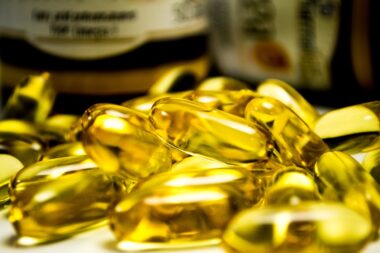
There are several dietary sources rich in Vitamin D that can be incorporated into your dog’s meals. Fish, particularly salmon and sardines, are excellent sources of this vital vitamin. They provide not only Vitamin D but also beneficial omega-3 fatty acids, promoting skin health and reducing inflammation. Liver, such as beef liver, is another fantastic option, as it offers concentrated nutrient content that can enhance your dog’s skin and coat condition. Additionally, commercial dog food often contains added Vitamin D; however, it’s crucial to choose high-quality brands that utilize wholesome ingredients. Reading labels and being mindful of additives is essential, as some cheaper brands may not contain sufficient vitamins. Supplements can also be considered, especially during winter months when sunlight exposure is limited. Choosing a vet-recommended option ensures your dog gets premium quality Vitamin D. Always administer supplements as directed to avoid overdosing, which can lead to toxicity. Combining dietary and supplementary sources provides a well-rounded approach to maintaining ideal Vitamin D levels. Thus, safeguarding your dog’s skin helps maintain a beautiful and healthy coat over time.
Beyond diet, proper lifestyle practices can significantly influence your dog’s Vitamin D absorption. Increasing your pet’s exposure to sunlight is vital, as it boosts natural synthesis in their body. Regular outdoor walks or playtime can help your dog bask in sunlight effectively. Engaging in outdoor activities not only supports Vitamin D levels but also enhances overall physical health and mental well-being. However, caution is essential during peak sun hours as dogs, especially those with light skin, can suffer from sunburn. Providing shaded areas and ensuring they don’t overheat is crucial during sunny outings. Observing your pet’s behavior while outside can also indicate if they’re getting adequate sunlight. Dogs often thrive in sunshine, and their cheerful demeanor might suggest an energetic, vitamin-rich interaction with nature. If outdoor activity isn’t feasible due to weather or other constraints, consider placing your dog near a window to capture sunlight indoors. In colder seasons, indoor sunshine can lead to significant Vitamin D production as well. This natural approach, combined with a nutrient-dense diet, ensures your dog’s skin and coat remain vibrant and healthy.
Signs of Vitamin D Deficiency
Recognizing the signs of Vitamin D deficiency in your dog is crucial for early intervention. Common symptoms include excessive itching or scratching, indicating discomfort linked to skin health. Dogs may also display unusual behaviors, such as lethargy or reduced activity levels. Notably, you may observe flaky, dry skin and dullness in their coat texture. These symptoms not only indicate Vitamin D insufficiency but also suggest the need for immediate dietary changes. Hair loss around certain areas could signal deeper health issues requiring veterinary attention. Keeping track of your dog’s grooming habits can reveal dietary imbalances, leading to proactive measures. Furthermore, weight changes can point to nutrient deficiencies, including Vitamin D, and should prompt further investigation. Regular veterinary check-ups should ensure consistent monitoring of your dog’s health status. Enhancing their diet is a pivotal step, alongside routine examinations, to identify any deficiencies. If you notice any alarming changes in your dog’s behavior or appearance, consult your vet promptly to tailor an appropriate treatment plan. Ultimately, prevention is key to maintain their skin and coat’s vitality.
In addition to the common signs, more severe consequences of Vitamin D deficiency can evolve if left unaddressed. Chronic issues may lead to severe skin infections, hampering your dog’s quality of life. Furthermore, this deficiency poses risks for developing related health issues such as bone disorders. The integumentary system, which covers skin health, is particularly vulnerable when Vitamin D is lacking. In extreme cases, rickets could present, affecting proper bone development and overall mobility. In order to prevent such serious health repercussions, a comprehensive evaluation of your dog’s diet and lifestyle is essential. This involves implementing regular check-ups, prioritizing well-balanced meals, and maintaining sufficient sunlight exposure. Always ensure your dog leads a well-rounded and active life to promote optimal health. Your veterinarian may recommend tests to adequately assess Omega and vitamin levels useful for diagnosing underlying problems. Taking these preventive measures enhances the likelihood of preserving your dog’s overall well-being. By staying informed, you equip yourself to take the best possible care of your furry friend. Above all, maintain vigilance and recognize that a healthy dog begins with adequate Vitamin D intake.
Consulting Your Veterinarian
Consulting your veterinarian regularly ensures that you remain informed about your dog’s Vitamin D levels and overall health. Your vet can recommend suitable dietary adjustments tailored to your dog’s specific needs for both prevention and dietary insufficiency. Additionally, they can advise on the right supplements if required, ensuring you choose high-quality products from reputable brands. Proper guidance is key in avoiding excessive supplementation, which could lead to toxicity and severe repercussions for your dog’s health. Early intervention is crucial; thus, an open line of communication with your vet can yield beneficial results. They will guide you on indicators to monitor in your dog’s behavior and coat quality. Many pet owners overlook the importance of Vitamin D, so remaining proactive can help avert future issues. Tailored nutritional advice from a veterinarian can improve your canine’s life significantly, enriching their skin and coat health. Developing a comprehensive care plan greatly enhances their longevity and quality of life. This professional support reinforces your ability to provide proper care while fostering a happy, healthy environment for your furry companion. Thus, investing in veterinary consultations is pivotal for achieving optimal outcomes regarding your dog’s health.
Final thoughts on maintaining your dog’s skin and coat health should always focus on a holistic approach. Regular veterinary check-ups and consultations are essential for identifying and addressing any deficiencies. You can create a balanced diet rich in Vitamin D. Being proactive in incorporating sunlight for Vitamin D synthesis complements a nutritious diet, enhancing overall well-being. Investing time and care into these aspects fosters a loving and healthy environment for your furry friend. Promoting skin health goes beyond food—ensuring your dog enjoys regular outdoor fun is vital. Playtime under the sun enhances mood while boosting skin vitality. Owning a dog is an enriching experience that demands responsibility. Commit to understanding their needs and behaviors for optimal care. Pet ownership can offer profound rewards, encouraging a stronger bond between you and your dog. When you make informed choices about their health, your dog will flourish beautifully. Observing changes in coat health directly correlates with proper Vitamin D management. Understanding how Vitamin D affects your dog’s skin and overall health helps create a better life for them. This will not only enhance their appearance but also contribute to their happiness.