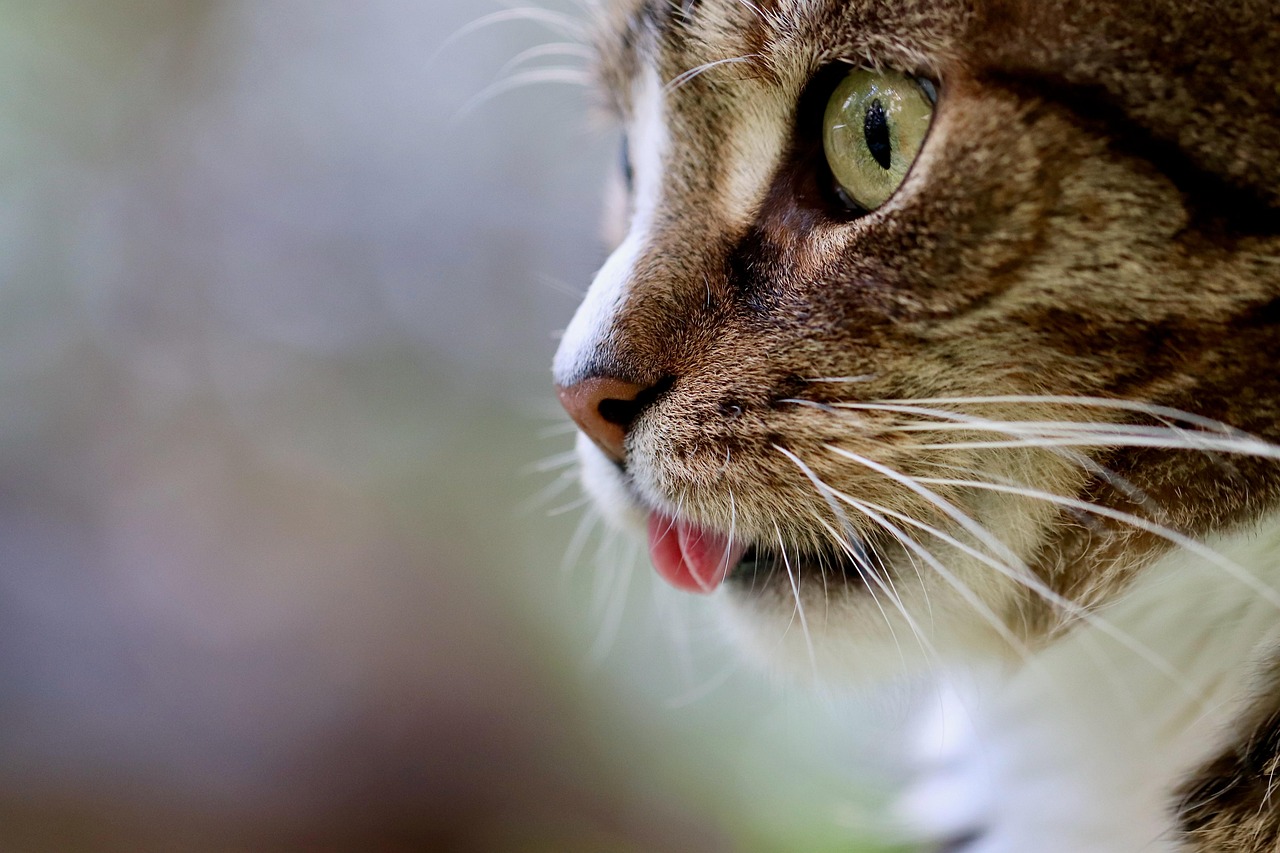

Gradual Desensitization: Helping Your Cat Get Used to Being Alone
Cats are independent creatures, yet they can experience separation anxiety when their owners leave the house. This anxiety can manifest in numerous behaviors, such as excessive meowing, scratching, or even inappropriate elimination. Understanding your cat’s emotional state is essential. Gradual desensitization involves exposing your cat to short periods of separation and gradually increasing this time. Start by leaving your cat alone for just a few minutes while slowly building up to longer durations. Rewarding calm behavior during this process can help reinforce positive associations. Use treats, praise, or playtime as incentives. It’s crucial to make each departure and return calm and uneventful, so your cat doesn’t associate your comings and goings with stress. Another strategy is to keep your cat occupied with toys or puzzles that can engage their mind. Creating a safe space with familiar scents can also provide comfort. You want to ensure your cat feels secure. Consistency is vital; maintaining a routine can ease anxiety. With patience and practice, your cat can learn to feel more comfortable when alone.
Understanding Separation Anxiety
Separation anxiety in cats can be caused by various factors, including changes in their environment or routine. This anxiety often arises from insecurity or fear of being left alone. Signs of anxiety can include vocalization, excessive grooming, and destructive behavior. Understanding what triggers your cat’s anxiety is the first step in managing it effectively. By observing their behaviors and reactions, you can tailor your approach. For instance, if your cat becomes anxious when you prepare to leave, try desensitizing them to your departure routine. Ensure they are comfortable with being alone, starting with very short intervals. Offer comfort items, like a blanket or a piece of your clothing, to help soothe your anxious pet. You should also consider environmental enrichment to keep them engaged. Incorporate interactive toys that can stimulate your cat’s mind, providing an outlet for their energy. Play sessions before leaving can help expend energy and reduce anxiety levels. Finally, maintain a calm demeanor, as your emotional state can significantly influence your cat’s behavior.
Creating a consistent environment is paramount for cats. Cats thrive on routine, and they feel less stressed when they know what to expect. Make sure to establish set feeding times, play schedules, and sleep areas. This predictability can significantly reduce anxiety levels. Be mindful of changes in your home environment; sudden shifts can lead to increased stress in your cat. If you’re moving or undergoing significant renovations, you may need to devote extra time to helping your cat adjust. Keep their favorite toys, scratching posts, and bedding in familiar places to ease their anxiety. Gradually introducing them to changes can help them acclimate better. Consider using pheromone diffusers or sprays, which can provide calming effects. These products mimic the natural pheromones your cat produces, helping to comfort them during stressful periods. Having a safe haven, like a cozy bed or a designated quiet area, can also make a difference. If your cat displays extreme anxiety or behavioral issues, consulting with a veterinarian or animal behaviorist might be necessary for additional support.
Training Techniques for Desensitization
Desensitization training should be approached with care and patience. Start with short departures where you leave your cat in a comfortable environment with distractions. It can be beneficial to have engaging toys or scratching posts available. Gradually increase the time you are away, ensuring to reward your cat when you return. If your cat reacts negatively when you come back, try waiting patiently without making a big fuss. Remember, this process takes time. If your cat is too stressed, reduce the duration of your absence. Incorporate positive reinforcement by giving them a treat when you’re away and they remain calm. Creating associations between your absence and positive outcomes can significantly help. For more intense situations, consider involving a friend or family member. Having a cat sitter or familiar person can ensure that your cat feels secure. You can also utilize recorded sounds of your voice or other stimuli that comfort your cat while you are gone. Ultimately, patience and gradual progress are key to making this transition smooth for both you and your cat.
Another technique worth considering involves counter-conditioning, where you change your cat’s response to your absence. Pair your departures with high-value rewards like treats. This can transform their anticipation of your leaving from negative to positive. Start with non-threatening situations where you leave the room for just a few seconds, gradually increasing this period while offering reassurance and rewards. Your cat can learn that your absence is followed by something they love, drastically altering their emotional response. Consistency is key here; stick to the same type of rewards and schedule. Also, note their body language, as cats display signals indicating whether they are comfortable or anxious. Using calming products, such as soft, soothing music, can also reduce anxiety during periods of separation. These methods are more effective when combined with regular playtime. Engaging regularly helps build trust and eases their worries. If necessary, discuss with your vet about additional interventions, including medication, if separation anxiety persists and affects their quality of life. Addressing separation anxiety directly and empathetically promotes a healthier relationship with your pet.
Ensuring a Positive Experience
Creating a positive experience around being alone is crucial for your cat’s mental health. Start by making your home environment stimulating and engaging. Use various toys, like interactive or puzzle varieties, to keep them occupied. Rotating the toys can keep their interest piqued. When training your cat to tolerate alone time, incorporate rewarding experiences tied to their independence. You might use a camera to monitor their reactions while away. This insight can help gauge their comfort level and modify your training accordingly. Keep their favorite blanket or familiar items near them. A cozy environment will help create a sense of security. Additionally, it’s vital to ensure they are well-exercised beforehand. Cats that have had ample playtime are generally less prone to anxiety when alone. Before leaving, spend quality time engaging in interactive play to expend their energy. Once you return, avoid fussing over them too much; instead, greet them calmly. This reinforces the idea that your absence is normal and nothing to worry about. Overall, maintaining a relaxed atmosphere will encourage your cat to embrace time alone.
Regularly assessing your cat’s adjustment to being alone enables you to adapt your training effectively. If significant anxiety persists, revisiting your tactics may be necessary. Consult with professionals, such as veterinarians or behaviorists, for tailored strategies unique to your cat’s needs. They can advise on specific techniques or additional coping mechanisms that can help ease anxiety more effectively. Maintaining open communication with your veterinarian is essential, especially if behavioral issues escalate. Flea and tick medications, dietary supplements, or calming treats might help as supplementary tools. Frequent checkups can monitor your cat’s mental state and overall health during this training process, ensuring that their well-being remains at the forefront. Always prioritize your cat’s emotional needs; if stress becomes apparent, you may need to slow your training process. Most importantly, demonstrate patience and understanding, showcasing your role as a supportive guardian. With dedication and empathy, you can help your cat find comfort in being alone, transforming their anxiety into a sense of security. Celebrate each milestone, no matter how small, as progress demonstrates your commitment to enhancing your cat’s quality of life.
Ultimately, every cat is unique, and their journey towards comfort during alone time will differ. Celebrate small victories as they improve, reinforcing their positive responses to being alone. Understanding your cat’s body language is crucial; observe for signs of comfort rather than anxiety. As they learn, you will notice relaxed postures, less vocalization, and increased exploration of their environment during your absence. If anxiety continues, don’t be afraid to seek professional help, as well-rounded approaches often yield the best results. Patience is critical when helping your cat adjust to being alone, as each step forward matters. Keep your training consistent, adjusting based on their responses and progress. By slowly increasing absence durations, they can learn to trust that they will be okay. Utilize all available tools, including interactive devices, for mental stimulation to enhance their experience. Encouragement will go a long way in making them feel more secure. Through gradual desensitization techniques and consistent efforts, you can help alleviate your cat’s anxiety, fostering a healthier and happier pet. Keeping an open line of communication with them throughout this journey creates a bond built on trust, comfort, and affection, redefining their experience of solitude.