
How Hunting Behavior Can Influence Cat Aggression
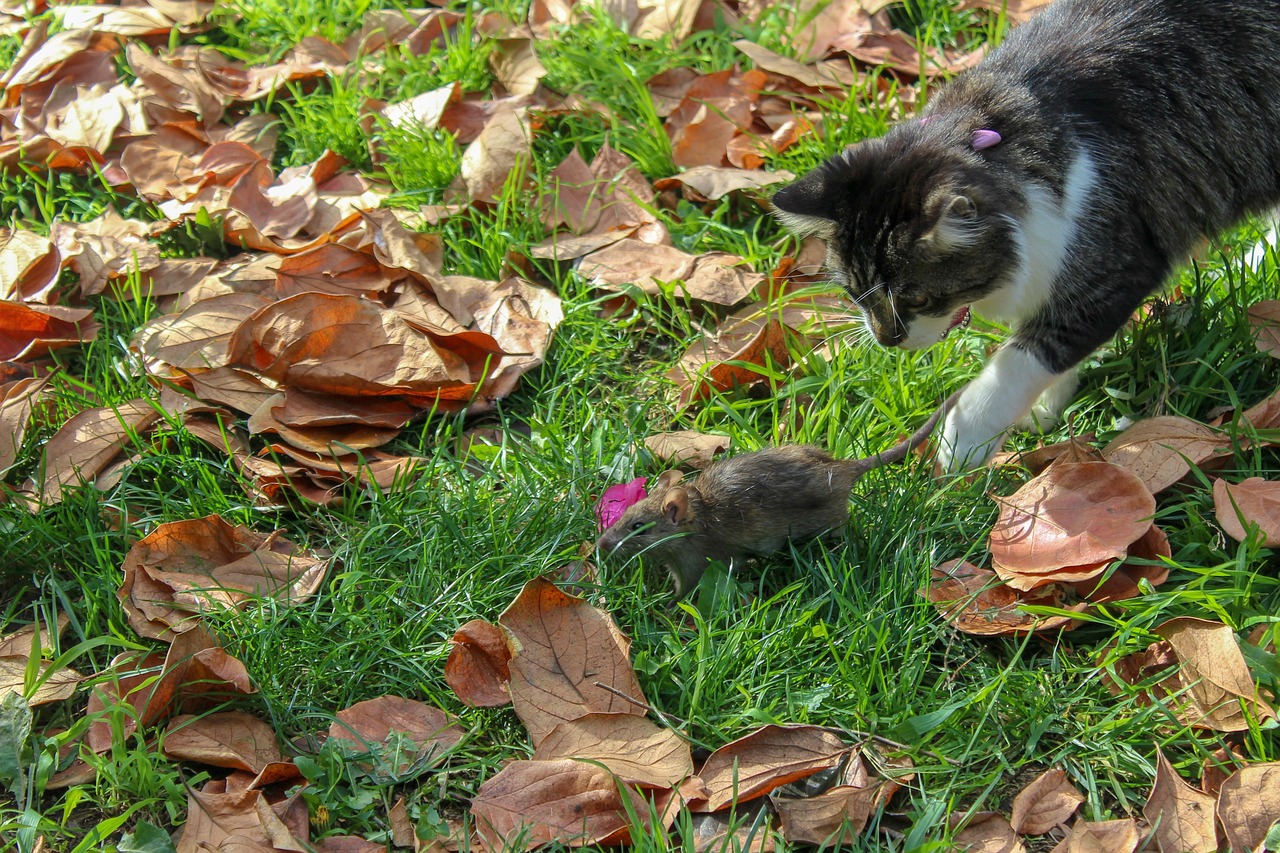
Cats are instinctively hunter creatures, and their hunting behavior can significantly influence how they exhibit aggression. Understanding this behavior can lead to effective strategies for cat owners. Cats possess natural instincts that drive them to stalk and pounce on their prey, which is deeply etched in their behavior patterns. This innate talent for hunting, however, manifests differently in domestic settings. While an indoor cat may engage in play as a substitute for hunting, those experiences can still influence aggression levels. Play often simulates hunting activities; thus, a cat engaging in aggressive play may express frustration or need for fulfillment. Recognizing when to intervene can help maintain harmony in multi-cat households. Providing adequate toys and stimulation can effectively serve their hunting instincts and reduce aggressive behavior. Furthermore, having designated playtimes can create a structured environment that curbs unwanted aggression. Playtime should involve interactive toys that engage your cat physically and mentally. Learning to read your cat’s body language and signals is crucial for effective interaction. Ensuring cats feel secure is essential in minimizing aggressive outbursts.
Hunting is not just a means of survival but also a way for cats to develop social hierarchies. Within a household, this behavior can lead to different aggressive displays depending on their interactions with each other. Dominance and submission play roles in their social structure influenced by their hunting instincts. In multi-cat households, one cat may assume the role of the ‘hunter,’ often leading to territorial disputes or aggressive interactions. When cats engage in hunting-like behaviors within the home, their competitive nature can surface. The availability of resources such as food, space, and toys can intensify these competitive urges. If cats feel their territory is threatened or resources are limited, aggressive behavior is likely to increase as they vie for supremacy. Managing resources effectively can help maintain a peaceful coexistence amongst feline companions. Providing ample resources ensures that each cat feels secure in their environment. Redirecting aggressive behavior through environmental enrichment is also beneficial. Veterinary behaviorists suggest behavioral modifications that allow for better management of aggression rooted in hunting instincts, fostering healthier relationships among household cats.
The Role of Environment
The environment plays a vital role in shaping a cat’s hunting behavior. In nature, cats primarily hunt based on their surroundings, using cover, height, and strategic hiding spots to catch prey. Similarly, indoor cats benefit from an enriched environment that mimics these natural hunting elements. Cat trees, hiding spots, and climbing surfaces promote physical activity and encourage those innate instincts. Without an environment conducive to these behaviors, a cat may become frustrated, leading to aggressive outbursts. Creating an environment that fosters these instincts can significantly reduce occurrences of aggression. Interactive toys that require problem-solving can help channel their energy into positive behaviors. Additionally, incorporating scents, textures, and varied surfaces stimulates their senses and enhances their play experience. This enrichment helps fulfill their predatory drives, allowing less chance for aggression related to boredom or frustration. Furthermore, observing a cat’s interactions with their environment can reveal insights into their aggression levels. Understanding how your cat utilizes its space can help predict potential aggressive behavior and inform strategies for providing a more suitable living environment.
Cats also display sociable hunting tactics, which can affect aggressiveness in multi-pet households. Cats sometimes hunt in groups, but this is often limited to certain feline companions they trust. Despite many individuals owning only one cat, introducing new cats can trigger aggressive behaviors due to space and territoriality concerns. Their hunting instincts can make them view new arrivals as intruders rather than companions. Socialization is crucial in such instances; early exposure to different cats can mitigate aggression. Providing a gradual introduction process allows both cats to acclimate to each other, reducing the likelihood of aggressive episodes. Additionally, supervision during interactions fosters a sense of safety. Aggression rooted in hunting behavior can also arise from fear or uncertainty about a perceived threat. Training and behavioral reinforcement can lead to long-term solutions, helping cats cohabitate peacefully. Positive interactions should be rewarded, contributing to a healthier relationship between cats. By encouraging positive associations with other felines through gentle introduction techniques, owners can aid in minimizing aggression influenced by hunting instincts, creating a harmonious living atmosphere.
Play Behavior and Aggression
Many owners do not realize how significantly play behavior ties into feline aggression. A cat’s hunting instincts activate during playtime, and many owners misinterpret aggressive play as antagonistic behavior rather than a natural instinct. Cats may exhibit behaviors such as pouncing, swiping, and chasing during play, mimicking an actual hunt. Understanding this distinction can aid in managing your pet’s interactions with others. Redirecting aggressive play can reinforce positive behaviors instead of punishing the aggression itself. Owners should encourage safer play with toys that keep the cat engaged yet separate from human hands. Interactive tools will channel their energy towards designated outlets, reducing the likelihood of aggressive behavior. The right balance of playtime and energy expenditure is essential; owners are encouraged to engage in daily interactive play sessions. These practices create both physical and mental stimulation for your cat, helping to alleviate aggressive behaviors driven by frustration or excess energy. Moreover, observing your cat’s play, and recognizing the cues of excitement can lead to adjustments in how you approach their playtime, enhancing your bond with your cat.
The theoretical concept of predatory drift illustrates how hunting instincts can transition into aggressive behaviors. In situations where environmental triggers resonate with their predatory instincts, situations may arise leading to increased aggression. For example, when a cat sees a fast-moving object or small animal, it can mistakenly assume a hunting mode, shifting excitement into aggression. Their strong predatory drive pushes them towards active engagement; recognizing and mitigating triggers associated with this behavior can lead to reduced aggression incidents. Training that focuses on responding positively to aggression triggers can guide cats back to calmer states. Understanding the causes and responses to their hunting instincts allows interventions that can transform reactions rooted in aggression. Moreover, utilizing calming aids, pheromones, and maintaining a routine can also affect aggression levels. Owners can prevent potential episodes by developing structured play and offering safe outlets. Understanding the dynamic relationship between hunting and aggression empowers owners to take appropriate actions that foster safe environments while fulfilling their feline’s needs, creating a deeper understanding of their pet’s behavioral patterns.
Conclusion
In conclusion, recognizing how hunting behavior influences cat aggression is pivotal for pet owners. Understanding a feline’s instincts ensures an enriched environment that fulfills their hunting needs while minimizing aggression. By learning when and how to engage in their natural behaviors, owners can build stronger relationships with their cats. Incorporating resources that support natural instincts empowers cats, providing creative outlets for their energy. Socialization, environmental enrichment, and appropriate handling of play behavior are powerful tools for reducing aggressive tendencies. Over time, recognizing patterns and triggers enhances a pet owner’s approach, leading to happier, less aggressive pets. The awareness around the significance of fulfilling a cat’s hunting urges cannot be understated. As diligent caretakers, cat owners should strive to create environments that recognize their positive hunting traits and use them constructively. This understanding fosters healthier relationships and promotes overall well-being for both cats and their owners. By combining behavioral insight with compassionate care, the coexistence between cats and humans can flourish in mutual understanding and respect.