
Importance of Dental Health for Small Dogs
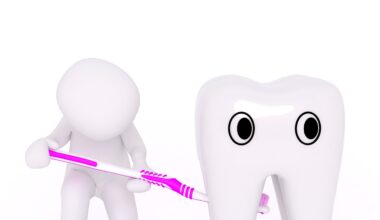
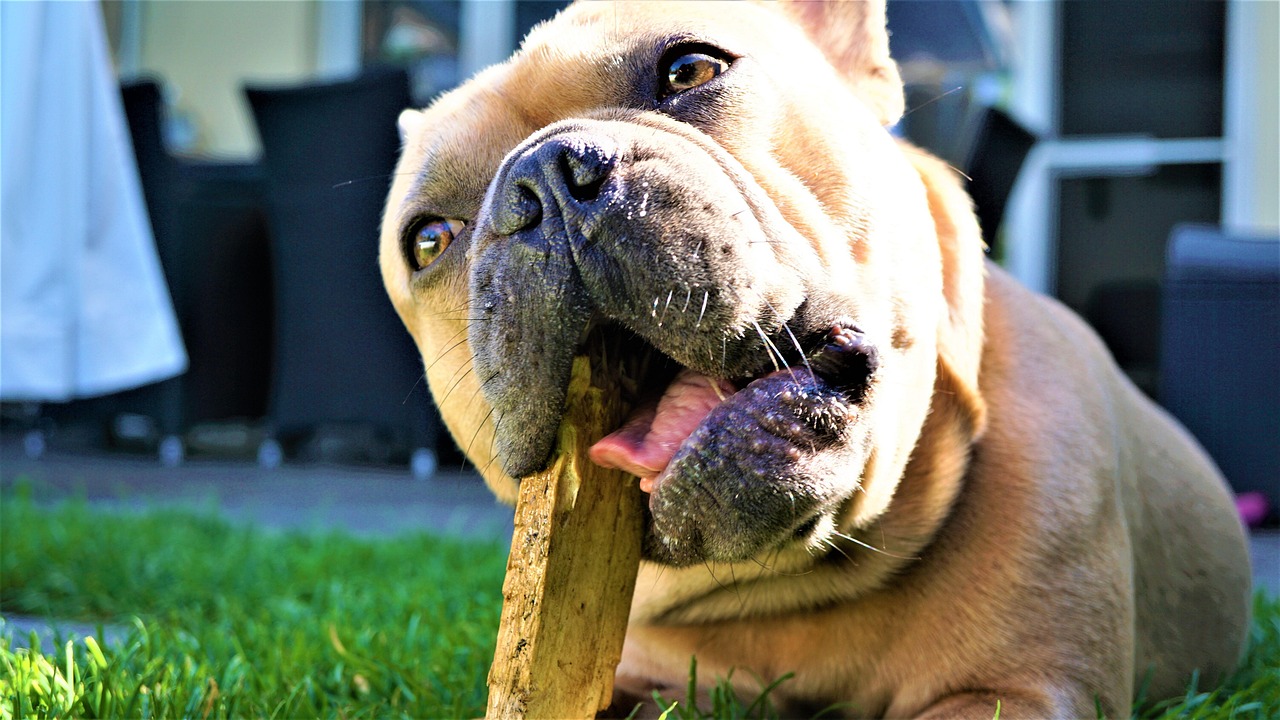
The dental health of small dogs is crucial for their overall well-being. Just like humans, dogs can suffer from dental issues that lead to various health problems. Regular dental care helps prevent plaque buildup, bad breath, and serious dental diseases. Chew toys specifically designed for dental health serve multiple purposes. They promote good oral hygiene, strengthen gums, and reduce the risk of periodontal disease. Small breeds, such as Chihuahuas, Pomeranians, and Dachshunds, are particularly prone to dental issues due to their unique jaw structure. The right chew toys can significantly contribute to maintaining their dental health. Additionally, chewing is a natural behavior for dogs, providing mental stimulation and preventing destructive habits. Choosing high-quality, safe, and durable chew toys can enhance your dog’s dental routine while keeping them entertained. Owners can find various dental chew toys that serve this purpose. It is also important to combine chew toys with regular veterinary check-ups and proper dental hygiene practices to ensure your pet’s mouth remains healthy. Investing in chew toys not only supports your dog’s teeth but also promotes their overall happiness and longevity in life.
When selecting chew toys aimed at dental health, durability is key. Small dogs tend to have powerful jaws relative to their size. Hence, choosing tougher materials like rubber or nylon is wise. These materials withstand the rigors of chewing, making the toys last longer. Soft toys, while fun, often do not offer the dental benefits that tougher toys provide. The texture of a good chew toy allows for effective cleaning of your dog’s teeth while chewing. Look for designs that feature nubs or ridges. These elements help scrub away plaque and tartar as your dog chews. It’s also essential to ensure that the toys are made from non-toxic materials, keeping your pet’s safety in mind. Popular brands, such as Nylabone and KONG, create specialized dental chew toys to cater to small breeds. Always supervise your dog during playtime to avoid any choking hazards. Regularly inspect the toys for wear and replace them as necessary to maintain safe chewing. Emphasizing the right choices in chew toys enhances dental care while promoting overall dog health and happiness.
Benefits of Chew Toys for Dental Health
Using chew toys that focus on dental health can provide myriad benefits for your small dog. Firstly, these toys can significantly improve oral hygiene. As your dog chews, the abrasion helps remove plaque and food particles from their teeth. This process contributes to fresher breath and healthier gums. Secondly, dental chew toys can help alleviate boredom. They provide engaging activities for your dog when you are unavailable, preventing destructive behavior. Thirdly, chewing on durable toys helps strengthen jaw muscles, fostering overall oral health. Furthermore, many dental chew toys are designed with enticing flavors, which can make them more appealing to your dog. Keeping your pet active and engaged is essential for their mental health, reducing the likelihood of anxiety-related behaviors. Many pet owners also report that their small dogs become less anxious when they have appropriate chew toys to occupy them. Ultimately, incorporating a variety of dental chews into your dog’s routine not only keeps their teeth clean but also supports a balanced, happy lifestyle, which enriches your relationship with your furry companion.
It’s important to introduce dental chew toys gradually to your small dog. Dogs may be cautious or unsure initially, especially if they’ve never had such toys before. Observing your pet’s behavior and allowing them to explore new toys without pressure will foster positive associations. Some dogs may benefit from a bit of encouragement in the beginning, so try engaging them in play with new dental toys. Use treats or praise when they interact appropriately with the toys. Additionally, pairing chew toys with other forms of stimulation, such as puzzle toys or interactive games, can keep your dog engaged and mentally active. Many small breeds thrive on variety. Monitor how they respond to different textures or designs to find the best fit for your dog. Regularly rotating their chew toys can reignite interest and excitement in their dental care routine. Remember, keeping your dog’s experience fun and positive is vital for maintaining their interest in dental hygiene. This engagement, combined with frequent vet check-ups, contributes significantly to your small dog’s long-term dental health and happiness.
Safety Considerations for Chew Toys
When purchasing chew toys, safety must always be a priority, especially for small dogs. Due to their size, small dogs can easily swallow or choke on inappropriate toys. Always select chew toys specifically designed for small breeds to minimize risks. It’s vital to ensure the toy is appropriately sized; toys that are too small can easily be swallowed, while toys that are too large can be difficult for your dog to manage. Additionally, inspect chew toys frequently to identify any signs of wear or tear. Once a toy shows damage, it should be disposed of to prevent any choking hazards from broken pieces. Look for reputable brands that adhere to safety standards. Non-toxic materials are essential to protect your dog’s health. Also consider avoiding toys with small parts, which can come off easily. Products specifically labeled as “dental” or “for small breeds” often have undergone durability and safety checks. Always supervise your dog during playtime to ensure their safety, especially when introducing new toys. Taking these precautions can protect your small dog and create a fun, engaging experience.
In addition to selecting safe and effective chew toys, establishing a routine with your small dog’s dental care is crucial for their overall well-being. Regular brushing is an essential component to prevent dental diseases, and chew toys should complement this practice. Dog dental chews, while beneficial, are not a substitute for regular brushing. Aim to introduce a dental care routine as early as possible; this makes it easier for your dog to accept brushing and other care methods. Dogs often adapt quickly to new routines, especially if rewarded with praise or treats. Consider using pet toothpaste designed specifically for dogs, as human toothpaste can be harmful. Consistency is important: try to brush your dog’s teeth daily or at least a few times a week. Encourage them to chew on dental toys after brushing to further enhance their dental health. Your dog’s comfort and tolerance should dictate the approach you take, avoiding any negative associations with dental cleaning. With time and patience, you can create a positive atmosphere surrounding dental care that benefits both your small dog’s health and your relationship.
Conclusion: Invest in Your Dog’s Dental Health
Investing in chew toys dedicated to dental health is an essential step for small dog owners. By maintaining your dog’s dental hygiene, you contribute to their overall health. Chew toys designed for dental care help manage plaque, reduce dental diseases, and bolster gum health. Moreover, engaging chew toys provide mental stimulation and help reduce anxiety. Remember that small dogs can be prone to various dental issues due to their tiny jaws and teeth. As such, it’s crucial to be proactive in their dental care; offering various dental chew toys helps establish a good routine. Prioritizing safety while selecting toys ensures that your furry friend enjoys their playtime without risk. Furthermore, integrating chew toys into daily routines encourages healthy chewing habits. Don’t forget to accompany these efforts with regular vet visits to monitor your dog’s dental health. Making chewing a fun, rewarding activity enhances your dog’s cleaning routine. You’ll contribute greatly to your dog’s happiness and longevity by promoting good dental health. Ultimately, with the right toys and care, your small dog can enjoy a lifetime of healthy teeth and gums.
It is essential to emphasize that the importance of dental health extends beyond just good hygiene. The oral health of your dog can impact their overall well-being and vitality. This implies that maintaining proper dental hygiene should be integrated into a comprehensive care routine that includes nutrition, regular exercise, and veterinary checks. Besides chew toys, consider giving your dog dental treats that complement their daily meals. Such treats enhance their chewing experience and offer additional benefits. Always consult with your veterinarian before making significant changes to your dog’s diet or dental care approach. They can provide guidance tailored to your dog’s specific dental needs. Understanding your dog’s unique chewing habits is crucial; monitoring their chewing behavior can reveal preferences that make dental care fun for them. Keep an open mind towards trying new toys while staying informed about the latest developments in pet dental care. Invest time in finding the right combination of toys and habits that suit your furry friend. Fostering a positive approach to dental care ultimately strengthens your bond with your pet while ensuring a longer, healthier life for them.