
Pharmacogenomics in Dog Breeding and Veterinary Care
Pharmacogenomics refers to the study of how genes affect a dog’s response to medications. In the field of dog breeding, this emerging discipline offers promising opportunities for both breeders and veterinarians. It is essential to recognize that individual dogs can metabolize drugs differently. These differences can significantly influence treatment outcomes and the effectiveness of medication. By understanding these genetic variations through pharmacogenomics, breeders can make informed choices about breeding practices with the goal of producing healthier puppies. Veterinarians can also tailor medications based on the specific genetic profiles of their canine patients, ensuring optimal care and reducing adverse effects. This leads to a new paradigm in veterinary medicine that emphasizes personalized treatment plans. Moreover, the integration of pharmacogenomics into breeding programs can potentially reduce the prevalence of inherited diseases and conditions. Through genetic testing, breeders can identify carriers of specific genetic markers associated with hereditary disorders. This proactive approach not only enhances the overall health of dog populations but also promotes their wellbeing throughout their lives, as customized medical interventions become increasingly accessible.
The role of pharmacogenomics in veterinary medicine is expanding rapidly. As research continues to develop, it is becoming clearer that tailored therapies can improve health outcomes in dogs. For example, certain breeds may be predisposed to adverse reactions from specific medications due to their genetic makeup. A key goal of pharmacogenomics is to minimize such risks by leveraging genetic data. Understanding a dog’s unique genetic profile allows veterinarians to select the most effective medications while avoiding those that may cause harm. This individualized approach can be particularly beneficial for dogs requiring long-term medication management, such as those with chronic conditions. Additionally, incorporating genetic testing into routine healthcare practices can enhance disease prevention strategies in dogs. Breeders may also opt to conduct pharmacogenomic tests on breeding stock to avoid passing down adverse drug response traits to future generations. Through selective breeding, healthier, more robust puppies can be produced with improved resistance to medication-related issues. Furthermore, ongoing education and awareness about pharmacogenomics among pet owners and canine professionals can foster a proactive approach to canine healthcare worldwide.
Implications for Breeders
For breeders, the implications of pharmacogenomics are profound. They can utilize genetic tests to identify hereditary conditions linked to drug metabolism and reaction. By selecting breeding pairs based on these genetic insights, breeders can improve the health outcomes of their litters. The ultimate goal is to produce puppies that not only excel in performance and temperament but also exhibit strong resistance to pharmacological issues. Genetic testing can guide breeders in choosing compatible mates to minimize genetic anomalies. Responsible breeding practices are essential in preserving breed health and heritage. Furthermore, adopting pharmacogenomics can enhance a breeder’s reputation within the community and among potential puppy buyers. Informed owners greatly appreciate breeders who cement their commitment to genetic testing and health assessments. It fosters trust and transparency in breeders. Ultimately, the responsible use of pharmacogenomics has the potential to revolutionize the breeding landscape, ensuring that health and longevity become the benchmarks for successful breeding operations. In light of these benefits, it is crucial for breeders to stay informed about advancements in genetic testing technologies.
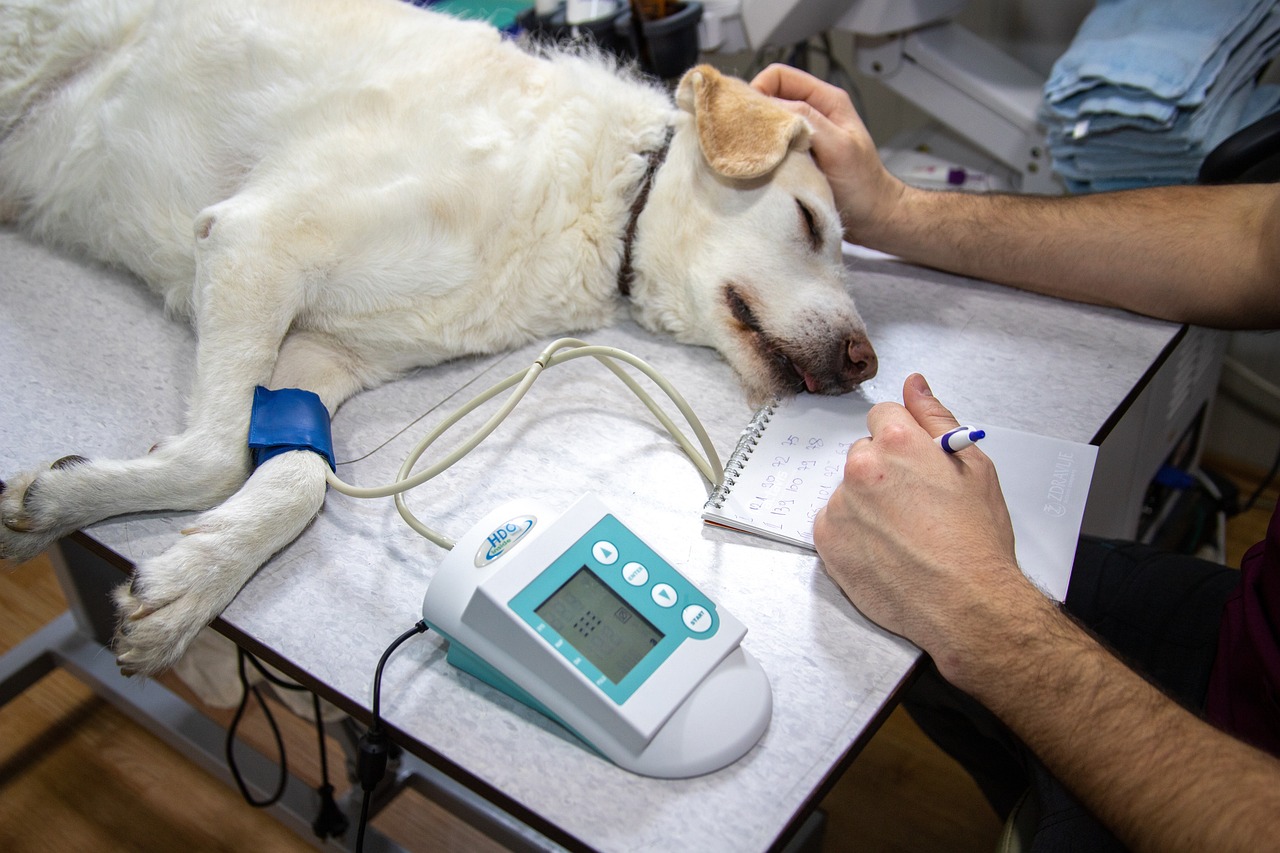
Pharmacogenomics is also paving the way for enhanced veterinary care practices. Veterinarians are increasingly incorporating genetic testing as a standard part of their clinical workflows. This new standard allows for a tailor-made approach regarding medication selection and dosages. The ability to predict how a dog might respond to a specific medication represents a significant advancement in veterinary science. Developing an understanding of canine genomics can help veterinarians manage pain more effectively and can lead to improved management of chronic diseases. Veterinarians can also work proactively with breeders to formulate selection criteria that prioritize drug responsiveness across breed lines. Additionally, veterinary pharmaceutical companies are beginning to recognize the value of pharmacogenomics in drug development and personalized therapies for animals. New drugs can be designed with genetic data in mind, targeting specific canine populations more effectively. The overall outcome is a synergy between pharmacogenomics, breeding, and individualized veterinary care. This interconnected approach leads to healthier, happier dogs living longer, with improved quality of life through advancements in tailored healthcare solutions.
Future Perspectives
The future of pharmacogenomics in dog breeding and veterinary care is promising and full of possibilities for innovation. As technology continues to progress, we can expect more affordable and accessible genetic testing options. This rapid advancement may lead to a widespread adoption of pharmacogenomic practices in veterinary settings. By making genetic tests readily available, both breeders and veterinarians can integrate these tools seamlessly into their routines, fostering healthier breeding practices and improving clinical outcomes. Research initiatives focused on pharmacogenomic applications in canines will likely expand, uncovering new insights into the genetic factors influencing drug metabolism. Alongside these advancements, collaboration between breeders, veterinarians, and researchers is essential in promoting a research-oriented mindset. Continuing education initiatives will help ensure all parties comprehend the intricacies of pharmacogenomics. They must appreciate the implications for dog breeding and veterinary practices. Ultimately, the convergence of genetics and medicine lays a robust foundation for future canine health. Innovations in this field will improve care, enhance breeding success, and lead to thriving canine populations across the globe.
Additionally, as pharmacogenomics gains traction, ethical considerations surrounding genetic testing will arise. Breeders and veterinarians must navigate the ethical landscape carefully, ensuring that responsible practices define their decision-making processes. Transparency about genetic testing and its implications is vital for fostering trust between breeders, veterinarians, and pet owners. Potential ethical dilemmas may emerge regarding the selective breeding of dogs based solely on pharmacogenomic information. It is essential to consider the overall health, behavioral traits, and well-being of dogs beyond their genetic predispositions to medication responses. Public awareness campaigns can help guide ethical discussions and practices throughout the canine community, promoting an understanding of the benefits of responsible breeding combined with pharmacogenomic insights. Open dialogue between breeders, veterinarians, and pet owners is crucial in addressing concerns while championing health and welfare. A collective effort is necessary to ensure that advancements in pharmacogenomics fundamentally enhance the lives of dogs and the relationships they have with their human companions, while adhering to ethical standards and promoting responsible ownership.
Conclusion
In conclusion, pharmacogenomics represents a transformative opportunity for dog breeding and veterinary care, marrying the disciplines of genetics and medicine in innovative ways. By enabling personalized medicine, this field offers the potential to revolutionize health outcomes for dogs worldwide. With advances in pharmacogenomic technology comes an obligation to uphold ethical standards and foster responsible practices among breeders and veterinarians alike. Education on pharmacogenomics is essential for fully leveraging its benefits, ensuring that decision-making remains informed and guided by sound science. Ultimately, the path forward requires an ongoing commitment to research, collaboration, and dialogue amongst all stakeholders involved. As we embrace the future, we have the chance to create a robust ecosystem that prioritizes the health and wellness of our canine companions through informed breeding choices and personalized veterinary care. This journey presents a unique opportunity to enhance the overall quality of life for dogs, bringing their owners peace of mind knowing they are supported by the most advanced technologies available. Together, with education and ethical practices, we can significantly enhance canine health in the era of pharmacogenomics.