
The History of Handmade Cat Toys and Their Popularity
Handmade cat toys have a rich and fascinating history that spans centuries, tracing back to ancient civilizations. The concept of crafting toys specifically for cats arose from a desire to provide stimulation and entertainment for feline companions. Historically, these toys were made using natural materials such as feathers, wool, and fabric scraps found in households. As humans noticed their cats’ playful nature and hunting instincts, they began to design handmade toys that would mimic prey, enhancing their pets’ natural behaviors. Additionally, early innovations in toy design included simple items like balls of yarn or hanging objects on strings, which provided interactive play. Over time, the craft of creating these toys evolved to encompass various techniques and ideas. Artisans started incorporating unique elements like bells or catnip, which further attracted cats’ attention. Handmade toys offer not only entertainment but also an outlet for creativity and a way to bond with pets. Today, many artisans around the world have re-embraced the tradition of crafting handmade cat toys, resulting in a resurgence in popularity that blends traditional designs with modern originality. These toys are celebrated for their quality and charm.
The Process Behind Crafting Handmade Cat Toys
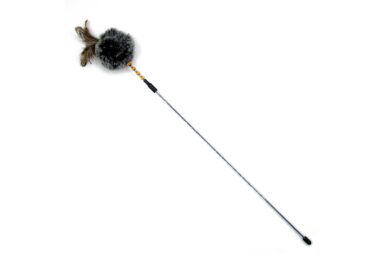
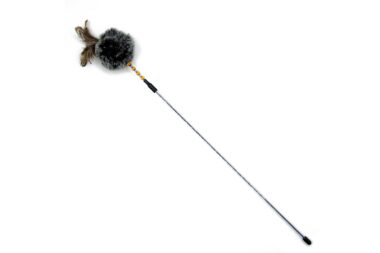
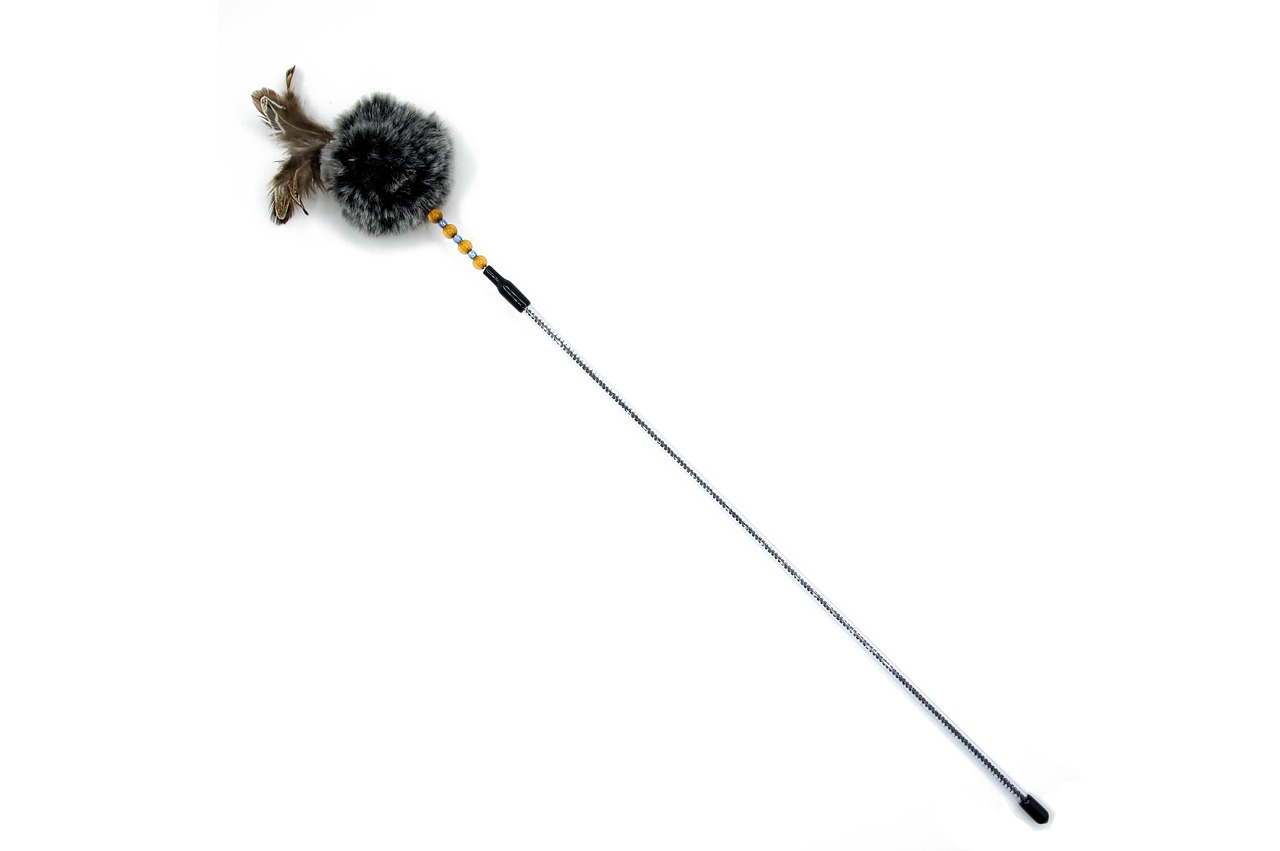
The process of making handmade cat toys involves careful consideration of materials, designs, and safety standards. Artisans select durable fabrics such as cotton or felt, preferring non-toxic dyes and natural fibers. The use of organic catnip has also gained popularity, providing both pleasure for cats and peace of mind for owners concerned about chemicals. Each toy is filled thoughtfully to create an engaging experience for playful cats. Popular designs include stuffed mice, balls, and feathered wands. Craftsmanship plays a vital role in ensuring that each toy is not only appealing but also built to withstand the lively antics of curious felines. The sewing techniques employed vary, with some using intricate patterns and others focusing on simplicity. Craft makers often prioritize functionality; hence toys may incorporate textures and noises, such as crinkle sounds. The attention to detail ensures a unique product with potential for personalization, allowing buyers to select colors and styles that best suit their cats. Many artisans share their stories behind each piece, creating a deeper connection between the toy, creator, and consumer.
Over the years, handmade cat toys have become fixtures in artisan markets, boutique stores, and online platforms. This surge in popularity is part of a broader trend towards artisanal and sustainable products, as more consumers seek unique and environmentally-friendly options for their pets. Unlike mass-produced alternatives, handmade toys carry a story, often reflecting the values and creativity of the maker. Customers often feel a sense of pride when purchasing such items because they support local artisans and small businesses. The shift toward handmade products coincides with an increasing awareness of the harmful effects of plastic and synthetic materials commonly used in standard pet toys. This awareness drives demand for more sustainable solutions, which handmade toys readily provide. Additional marketing efforts through social media have helped artisans showcase their work, connecting with a wider audience who appreciates the craftsmanship and effort behind each piece. As a result, dedicated online platforms and niche marketplaces have emerged specifically for handmade pet products. The evolution of e-commerce has further propelled this trend, making it easier for consumers to access handmade cat toys globally.
The Benefits of Handmade Cat Toys
Handmade cat toys offer various benefits over their mass-produced counterparts, including superior quality and safety. With artisans taking pride in their craft, materials are often carefully sourced, ensuring no harmful chemicals or toxins are involved. As a result, these toys promote a healthier play environment for pets. Many handmade toys are designed to be more stimulating and engaging, providing not just entertainment but also physical and mental exercise for cats. Unlike many standard toys, which can be poorly made, handmade options often require rigorous quality checks, improving their durability. This durability translates to longer-lasting playtime, ultimately providing more value for pet owners. Artisans often experiment with textures, shapes, and sounds, leading to innovative designs that keep cats fascinated. Additionally, buying handmade toys often means supporting sustainable practices and local economies, as many artisans prioritize eco-friendly materials and ethical production processes. Owners can also find customizable options tailored specifically to their pet’s preferences, thereby enhancing their bonding experience. Thus, the benefits of handmade cat toys extend beyond play, significantly impacting health and environmental consciousness.
One of the unique aspects of handmade cat toys is their ability to serve as personalized gifts. As the bond between pet and owner grows, so does the desire to provide special gifts that reflect the pet’s individuality. Many artisans allow customization options that cater to both the preferences of cats and their owners. Personalized toys can be adorned with the cat’s name or designed in specific colors that align with the home decor. This thoughtful aspect adds a layer of meaning to the purchase, transforming a simple toy into a cherished keepsake. Handmade cat toys have also become popular for gifting, especially during celebrations like cat birthdays or holidays. Owners appreciate giving their feline friends something special and unique compared to standard toy selections. Moreover, many artisans share their stories and inspirations behind creating each toy, contributing to the personal significance of these gifts. Buyers enjoy connecting with the creators, often leading to an appreciation that goes beyond the product itself. Therefore, handmade toys foster a sense of community, elevating the importance of each toy gifted.
Challenges Facing Handmade Toy Makers
While the handmade cat toy industry flourishes, it is not without its challenges. Competition with mass-produced toys remains a significant hurdle, as larger manufacturers benefit from economies of scale, allowing them to offer lower prices. Many consumers often opt for cheaper, mass-produced options, which can overshadow the handmade alternatives. Artisans must work exceptionally hard to market their unique selling propositions, emphasizing quality, safety, and craftsmanship. Additionally, resources may not always be easily accessible or affordable, concerning sourcing sustainable materials. As demand for quality handmade items increases, so does the pressure on artisans to maintain high standards without sacrificing affordability. Shipping costs can also be a challenge; handmade products often have higher shipping fees due to being packaged and shipped individually. Furthermore, artisans may find it hard to reach their target market due to the vastness of online platforms. Overcoming these challenges requires strategic thinking, marketing skills, and community engagement. Artisans must be innovative to thrive and maintain visibility among pet owners looking for high-quality, unique toys for their beloved cats.
In conclusion, handmade cat toys have made a significant mark in the pet toy industry due to their uniqueness, craftsmanship, and the rising demand for sustainable products. The history behind these toys shows a fascinating journey of artistry and innovation, with craft makers continually reimagining traditional designs. Cat owners increasingly appreciate the value of handmade toys, drawn not only by their aesthetic appeal but also by the safety and durability they offer. The benefits extend beyond mere playtime, impacting both the pet’s health and the support of local artisans. Personalization options create lasting bonds between pets and owners, while challenges in competition and resource sourcing spur innovation within the industry. As artisans adapt to changes and consumer preferences, the popularity of handmade cat toys is likely to continue growing. They represent more than just products; they embody a commitment to sustainable practices and artistry that resonates with modern pet owners. The future of handmade cat toys appears bright, potentially filled with more innovative designs and increasing recognition of their importance in enhancing the lives of our feline friends.
This growth not only enhances the experience of pet ownership but also supports the movement towards ethical consumerism. Handmade cat toys signify a deeper connection between pets and their owners, fostering an appreciation for quality craftsmanship and the joys of play. By choosing these toys, consumers contribute to a positive shift in the marketplace, paving the way for more artisans to thrive.