
Boosting Shy Dogs’ Confidence with Interactive Exercises
Having a shy dog can be challenging for pet owners. It’s essential to understand that shyness can stem from various factors, including lack of socialization, previous negative experiences, or innate temperament. Boosting their confidence through interactive exercises provides a solution. Interactivity not only engages the dog but fosters a bond between the pet and owner. By making exercises fun, it’s possible to transform their timid nature into one of confidence over time. Activities need to be approached gradually, starting with simple tasks that don’t overwhelm the dog. Positive reinforcement encourages participation, making them eager to engage in exercises more frequently. Consistency is key, ensuring the shy dog feels secure while progressing through their training. Over time, owners will witness a remarkable transformation as the dog becomes more assured in their abilities. Remember, the goal is to make every interaction enjoyable, turning exercise times into opportunities for success and joy. Emphasizing trust is crucial when incorporating various activities, as it helps the dog build essential confidence that may have been missing. Keep patience in mind; each dog learns at their own pace and the improvements will follow with time.
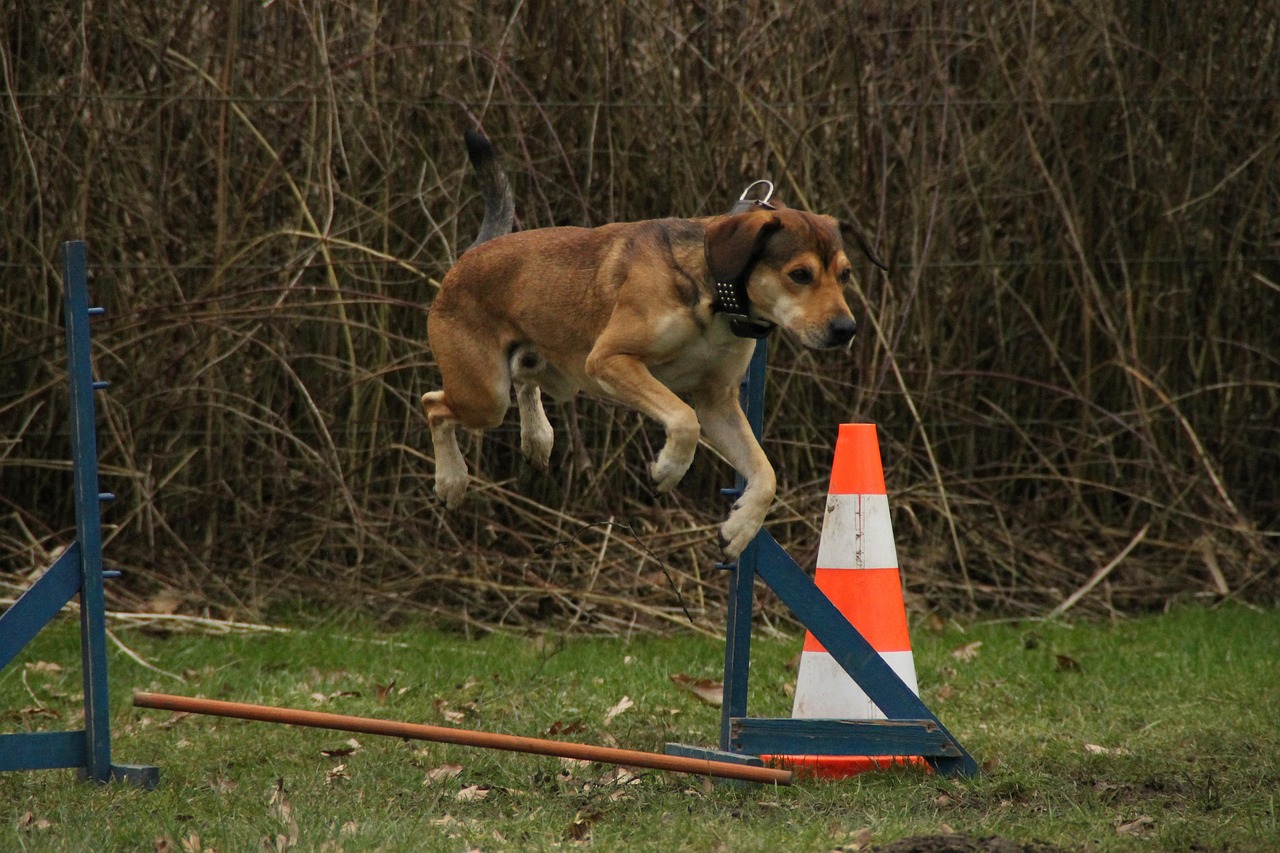
The foundation of any effective training program is selecting the right exercises. Incorporating interactive toys can greatly enhance the experience. Such toys stimulate mental engagement, making exercise both challenging and enjoyable. Consider activities like hide-and-seek, where the dog is encouraged to find their favorite toy or treat. This game can significantly boost confidence as the dog successfully locates the hidden item. Additionally, agility courses present another exciting option; these can be set up in backyards or parks. Interactive activities not only reinforce physical strength but also enhance cognitive skills. This dual benefit is paramount for boosting both confidence and obedience. Group classes also serve as excellent confidence boosters. They allow shy dogs to socialize with other dogs in a controlled environment, learning from peers while still being guided by an owner or trainer. As fear dissipates, dogs gradually learn to trust both their trainers and fellow canines. For some shy dogs, short walks in less populated areas can work wonders. Following these sessions with praise rewards their efforts, helping to foster a more confident demeanor over time. These small successes can lead to larger, ongoing transformations.
Understanding the Importance of Socialization
Socialization teaches dogs how to interact properly with the world around them. For shy dogs, this might involve cautiously meeting new people, unfamiliar environments, and engaging in play with other dogs. Gradually exposing a shy dog to various social situations helps decrease anxiety significantly. One effective method for improving social skills is participating in organized group activities. A dog park, training group, or community gathering can provide opportunities to explore social interactions while under supervision. During these situations, owners should remain calm and provide proper support, encouraging their dogs to engage without overwhelming them. It may also help to introduce the dog to other calming, confident dogs, as they often set a positive example. Pair this social experience with engaging exercises, such as running alongside a friend, to help them enjoy the process. Spontaneous outings to dog-friendly environments can also greatly boost confidence levels. Teaching owners to understand their dog’s body language is crucial; recognizing when to step back and provide space is essential for building trust. Over time, shy dogs naturally become more adaptable to their environment through reliable methods that promote social comfort.
Positive reinforcement is invaluable while engaging with shy dogs during exercises. Using treats or praise can encourage them to attempt new actions or take risks. This reinforces the notion that trying new things is rewarding. As the dog engages with activities they may have previously avoided, positive outcomes lead to greater self-assurance. One approach to implementing positive reinforcement is through clicker training. Clicker training uses a specific sound to mark the desired behavior immediately. Follow this with a treat to establish a strong association with positive outcomes. This method is efficient for shy dogs since it works at their pace, allowing them to become accustomed to new activities gradually. Owners can introduce interactive exercises by clicking and rewarding for any initial curiosity or engagement displayed by the dog. Pairing these exercises with various environments allows for adaptable training that can easily transfer beyond home. Also, setting small, achievable goals alleviates the pressure on the dog and makes participation feel more enjoyable rather than daunting. As the dog gains confidence through many successes, maintaining their motivation becomes easier and turns training into a more thrilling adventure.
Setting Up a Safe Training Environment
Creating a safe and secure environment is essential for enhancing a shy dog’s confidence. Start by ensuring that your training and exercise space is comfortable. This involves minimizing loud noises, sudden movements, or chaotic offerings that can provoke anxiety. A familiar space encourages comfort in various exercises while supporting emotional growth and fails to foster negativity. Arranging the layout of the environment promotes a regulated experience for the dog. For example, setting up a designated training area within the home can help them feel safe, where they can explore activities without getting overwhelmed. Consistency in the environment allows the dog to establish routines, making participation easier. Incorporate familiar toys or objects to further strengthen confidence as they engage with related exercises. Outdoor areas for exercise should also feature identifiable, safe spots where they can interact confidently with other dogs or people. Owners should remain attentive during exercises to ensure their dog does not feel threatened by external situations. This nurturing approach enables the dog to advance through various training activities with growing assurance. Over time, the consistent strategy builds a solid foundation of trust and belief in their abilities.
Engaging in interactive play is crucial for activities that enhance confidence. Interactive play allows owners to bond with their shy dogs while fostering trust and communication. Simple games such as tug-of-war or fetch can create a fun, energetic atmosphere that relaxes the dog and encourages participation. Owners should remain sensitive throughout the interactions and adjust the play’s intensity according to the dog’s comfort level. For instance, introducing new toys may require gradual familiarization to eliminate hesitation. Using various settings can also influence how the dog responds to play. Varying environments prevents the dog from becoming accustomed to a single aspect, keeping the experience fresh and exciting. It’s essential to highlight the successes achieved during play. Each small win reinforces a sense of accomplishment and can lead to spontaneously trying more adventurous activities. Establishing a balance between structured exercises and free play can significantly enhance the dog’s confidence while ensuring tasks remain interactive and engaging. This enjoyable approach motivates dogs to continue embracing their new skills, strengthening their bond with their owners as they become increasingly comfortable in their abilities.
Conclusion: Celebrating Progress
Celebrating achievements throughout the training process is vital for maintaining your shy dog’s motivation. As improvements become evident, it’s essential to acknowledge even the smallest milestones. Each success fosters a sense of accomplishment, emphasizing how their efforts are equally valued. Owners have the opportunity to recognize growth after every training session by heartening praise or small celebratory treats. Sharing this journey helps to inspire continued engagement, showcasing that the bond between them strengthens over time. Additionally, quiet moments of reassurance can significantly help shy dogs during challenges. For instance, gentle strokes or calming words after accomplishing tasks serve as reassurances they can face hurdles with their owners’ support. Incorporating fun activities not only encourages these celebrations but also cements the new skills learned. Be sure to highlight every time your dog conquers a task they previously hesitated to try. This fosters an ongoing environment ripe for progress and discovery. Over time, shy dogs grow into confident companions eager to explore the world and engage with both their owners and other canine pals. Emphasizing this journey creates lasting memories while building a healthier, happier dog.
This marks the final part of our discussion about boosting shy dogs’ confidence through interactive exercises. Encouraging consistent effort and patience can lead to transformative results for shy dogs and their owners. As they thrive in their interactions, both the dog and owner will benefit from the stronger bond forged through these experiences together. Confidence grows exponentially as interactive play and rewarding exercises become regular parts of their routine.