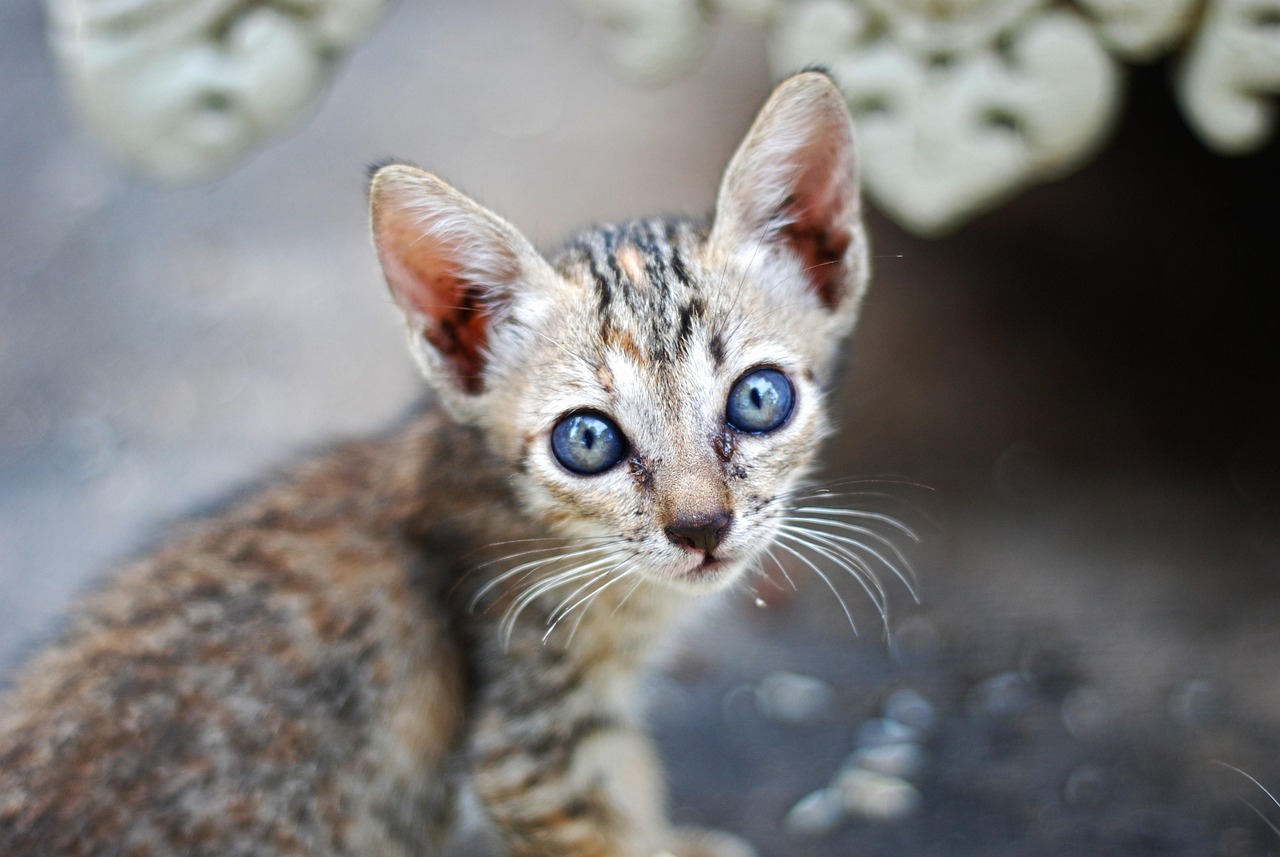

How to Safely Trap and Vaccinate Stray Cats
Stray cats are a significant concern for many communities due to their population growth and potential health risks. Vaccinating these cats is essential to ensure their well-being and reduce the spread of diseases. Safely trapping and vaccinating stray cats involves several important steps that promote effective management. First, always use humane traps specifically designed for cats. These traps prevent injury while capturing the animal. Make sure to place it in an area where stray cats are known to frequent. Next, bait the trap with enticing foods such as tuna or cat food. Freely providing food can help attract the cats. Avoid attempting to catch them with your hands, as this can lead to injuries or stressed animals. After trapping, cover the crate with a blanket to reduce their anxiety. Once caught, transport the cats to a veterinarian. Make a plan beforehand for the vaccinations and any required medical attention. Remember, post-vaccination, keep cats in a secure environment until they recover from the stress of handling. Managing populations effectively ensures a healthier community for both cats and humans alike.
When initiating the vaccination process for stray cats, consider first reaching out to local animal welfare organizations. Many of these organizations offer assistance by organizing vaccination clinics and providing support. They can help you navigate the process of safely trapping and vaccinating the cats. Additionally, they may have resources for spaying and neutering, critical steps for controlling the population. Once you have arranged for vaccinations, ensure you bring enough carriers and necessary supplies, such as first aid items and cleaning materials. It’s beneficial to have at least one handler for every two traps to assist with the process of checking them frequently. Monitor the trapped animals and always check on them regularly to ensure they are comfortable. Once you have taken them to a veterinarian, discuss your vaccination plan clearly with your veterinary staff. They will share insights and recommendations on additional treatments or steps for further care. Be sure to ask about microchipping options as well, as this can aid in future identification of the stray cats. The goal is to both protect and improve their lives in the community.
Setting Up a Vaccination Day
To ensure a successful vaccination day for stray cats, it’s crucial to plan thoroughly. Make a checklist of all the supplies you will need, including traps, carriers, food, and water for the cats. Set a specific date to maximize participation and inform your community about your efforts to cover stray cats. Utilize social media, community boards, and local animal control offices to reach fellow cat advocates. The more volunteers available, the easier the vaccination day will be for those involved. Assign roles to each volunteer based on their strengths. Knowledgeable individuals can explain the process and provide reassurance to community members. Make a schedule to keep things organized and to monitor how many cats have been vaccinated by the day’s end, as this helps maintain realistic expectations. Offering refreshments may help volunteers stay energized throughout the commitment. Establish a safe resting area for vaccinated cats before their release back into the community. Maintaining a caring and safe atmosphere ensures both the volunteers and the cats feel secure during this important day of service.
Throughout the trapping and vaccination process, communication is essential to ensure everything goes smoothly. Inform your local community about the vaccination efforts, emphasizing the importance of reducing stray populations through humane practices. Many community members may have information about where cats are living, helping locate them more efficiently. Providing educational resources can assist others in understanding the significance of vaccinating stray cats. Share materials about common diseases that could affect cats and how vaccinating can prevent these serious health risks. You could also promote successful stories of previously trapped and vaccinated cats, highlighting how their quality of life improved the intervention. Encouraging participation from local businesses through sponsorships or donations could also greatly boost your efforts. They may provide food and supplies, enhancing the experience for volunteers and helping cats. Each small step taken to engage others fosters a supportive atmosphere around this project. More people involved enhance community relationships and contribute to the overall success of the vaccination day. Always remain transparent and open about the processes, which helps to build trust with community members.
Post-Vaccination Care
After the cats have received their vaccinations, it is crucial to prioritize their post-vaccination care. Monitor the cats for any adverse reactions or side effects from the vaccinations. Common effects might include slight lethargy, reduced appetite, or minor swelling at the injection site. Identifying these symptoms early ensures that any medical attention needed can be provided promptly. Ensure that cats have access to fresh water and food after their vaccinations. Providing a comfortable environment before their release aids in reducing stress levels. If you notice more severe reactions, consulting a veterinarian immediately is vital. Some animals may require additional care or treatment following their vaccinations, so it is wise to be prepared. Creating a detailed record of each vaccination, which includes vaccination dates, types of vaccines administered, and any reactions observed, is essential for monitoring these cats’ health over time. Post-vaccination records assist in keeping track of which cats might need further medical assistance. This meticulous approach enhances their quality of life as they transition back into their feral habitats after vaccinations.
Additionally, as cats begin to return to their territories, consider ways to support them in their environment. Providing supplemental feeding stations could help ease their transition back into the wild. Setting up feeding stations enables stray cats to access food regularly, decreasing the chance of future health issues. Educating the community about the importance of maintaining these stations can garner additional support. Creating a network around maintaining feeding stations allows for ongoing community involvement. These stations can be regularly filled with food and monitored for any potential issues. Regular observation can provide valuable data, such as identifying the overall health of the population. Collaboration with local animal rescues may also provide extra support if there are any difficulties. These organizations can offer guidance and help manage any conflict situations that may arise. Providing support and resources for community members will encourage them to adopt humane practices. This education lays the groundwork for a sustainable approach to feral cat populations. Networking within the community ensures that trapping and vaccinating stray cats becomes an ongoing and effective practice for the area.
Conclusion
In conclusion, safely trapping and vaccinating stray cats is an achievable goal through collaboration, education, and dedication. By following humane trapping practices and engaging the community, you can significantly impact stray cat populations. Vaccination not only greatly improves individual cats’ health, but it also benefits the entire community by reducing disease spread. It requires time, effort, and commitment, but the rewards of healthier cats and a safer environment are invaluable. Involve local organizations and businesses to bolster participation and foster a supportive atmosphere. Each step taken creates an opportunity for improvement and enhances the neighborhood’s overall experience with street cats. Continuous care and advocacy can maintain the vaccination momentum. Encouraging ongoing interest in stray cat welfare is critical to ensuring their well-being in the future. By prioritizing educational outreach, you can cultivate a more compassionate perspective toward stray cats. These efforts will ultimately lead to a stronger community rapport. Remember that every effort counts, and even small actions can have far-reaching benefits. Strive for excellence in care for stray cats, allowing them to live healthy lives amidst the community.
By advocating for the humane treatment of stray cats, you are helping to pave the way for a more compassionate environment. Every individual can contribute in some way, whether volunteering time or spreading awareness. Encouraging others to participate in vaccination efforts is paramount in creating lasting change. Mobilizing your community fosters a sense of responsibility toward fellow creatures and creates a culture of care. Being persistent and proactive ensures that stray cats receive the proper medical care they deserve. Embrace all opportunities to educate others about the plight of stray cats and the importance of vaccinations. Attend and host workshops, and offer to speak at local gatherings to disseminate information. Utilize social media platforms to share success stories and updates, creating a more engaged community focused on providing help. Each conversation extends further than expected, opening new avenues for advocacy and support and nurturing a collective purpose. Establishing a volunteer culture can lead to ongoing programs that address not just vaccinations, but also spaying and neutering efforts. With passion and dedication, the challenges surrounding stray cat populations can be diminished, paving the way for future initiatives that prioritize their welfare.