
How to Recognize and Treat Common Allergies in Devon Rex Cats
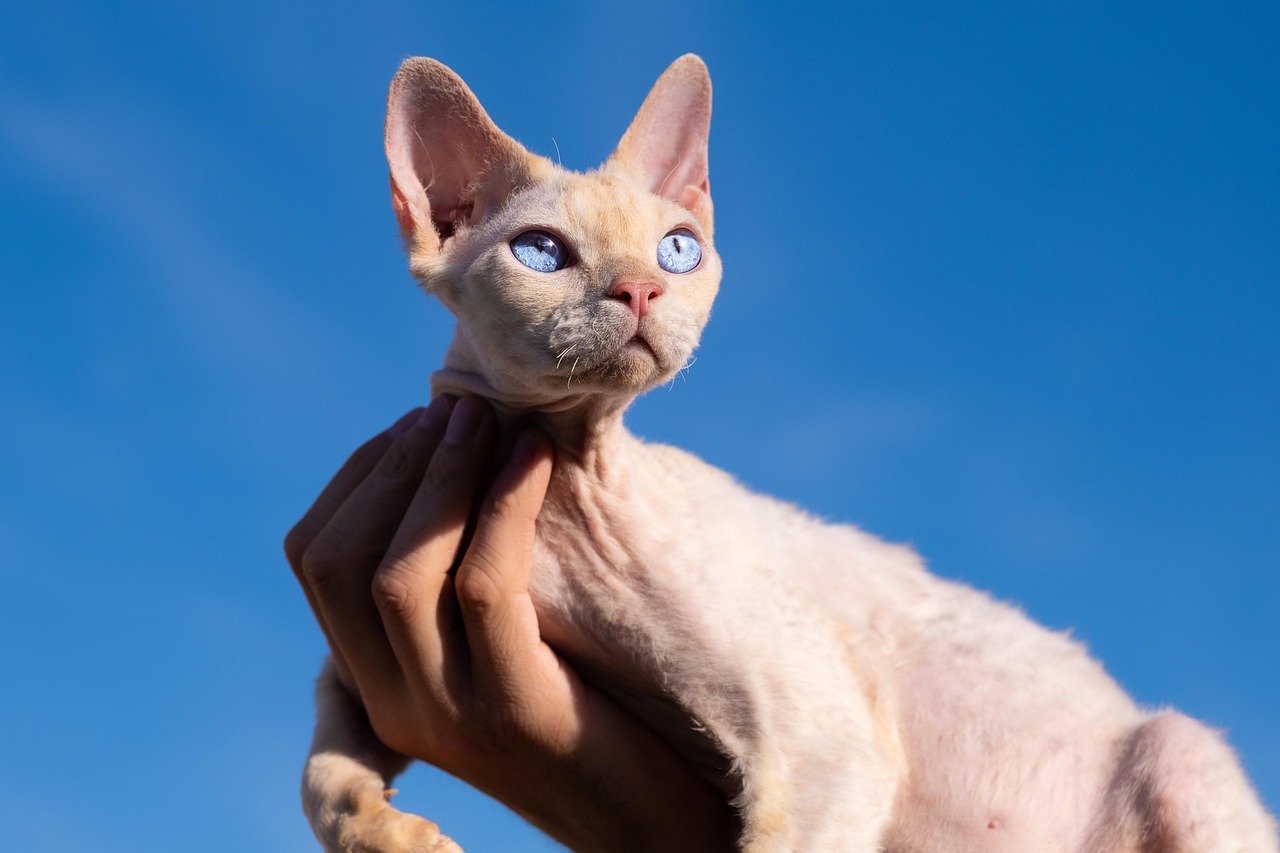
Devon Rex cats, renowned for their stunning curly coats and playful nature, can also be prone to various allergies. Recognizing the signs of allergies in your Devon Rex is essential for their well-being. These allergies can manifest in different ways, impacting their skin, breathing, or digestive system. Common symptoms include redness, itching, watery eyes, and sneezing. If your cat is continuously scratching, there might be an underlying issue. Environmental factors such as pollen, dust mites, and molds contribute to allergic reactions. Moreover, certain food allergies can also trigger gastrointestinal symptoms like vomiting or diarrhea. It’s crucial to monitor your cat’s behavior and any changes in their health. If you suspect allergies, consulting a veterinarian is critical for correct diagnosis. They can perform tests to pinpoint the allergen responsible for these problems. Furthermore, they can provide guidance on managing allergies effectively. After identifying the allergens, you may have to adjust your cat’s environment, diet, and grooming routine. Regular cleaning and minimizing exposure to allergens can significantly improve your Devon Rex’s quality of life and comfort.
When managing allergies in your Devon Rex, it is important to explore various treatment options. The first step often includes implementing an elimination diet to determine if specific food allergies exist. Gradually reintroducing foods allows you to identify potential triggers. If environmental allergens are identified, antihistamines may be recommended by your veterinarian to alleviate symptoms. For severe reactions, corticosteroids can be prescribed to reduce inflammation. However, these should be used under strict veterinary supervision due to potential side effects. Additionally, topical treatments such as medicated shampoos and soothing balms can help ease skin irritations. It’s essential to provide a safe and clean environment for your Devon Rex, reducing allergens like dust and pollen. Regular vacuuming and using air purifiers can also greatly minimize allergens in your home. Routine grooming is beneficial as well, helping to remove loose hair and dander. Bathing your cat periodically with suitable shampoos designed for sensitive skin aids in maintaining their skin health and reducing allergic reactions. Keeping track of your cat’s health and any changes in behavior is essential for effective allergy management.
Identifying Environmental Allergens
Identifying environmental allergens affecting your Devon Rex cat involves close observation. Common culprits include dust mites, mold, and pollen, which can affect cats during different seasons. To pinpoint these allergens, consider monitoring the environment and habits of your cat. Start by regularly cleaning common areas to reduce dust and dander, which can serve as breeding grounds for allergens. Observe when symptoms like sneezing or itching arise—note if these correlate with seasonal changes or specific environments such as parks or homes with pets. Keeping a journal mapping out these changes can prove useful during veterinary visits. In some cases, specialized testing may be recommended such as skin or blood tests to determine specific allergies affecting your cat. Understanding the allergen is the first step in managing their condition and creating a tailored approach to treatment. Furthermore, your veterinarian might recommend allergy shots as a long-term solution for some cats suffering from severe allergies. Being proactive in identifying and addressing these triggers leads to more effective management of your Devon Rex’s allergies, ultimately enhancing their quality of life.
Dealing with allergies in Devon Rex cats also involves paying close attention to their diet. Food allergies can trigger many adverse reactions, like digestive issues, itchy skin, and overall discomfort. Common allergens in cat food include chicken, beef, dairy, and grains. If you suspect a food allergy, consult a veterinarian for guidance on switching to a hypoallergenic diet. This often involves providing single-source protein and limited ingredients to rule out sensitivities. Monitor your cat’s response to these dietary changes, particularly any improvements in skin and gastrointestinal symptoms. In some cases, it may take several weeks to see significant changes, so patience is vital. Always introduce new foods gradually to ensure a smooth transition. Read labels carefully, as many commercial cat foods contain hidden allergens that could provoke reactions. Providing fresh water and cooking some meals at home can give your cat a healthy alternative. Remember, maintaining a consistent feeding regimen plays a crucial role in your Devon Rex’s overall health, especially when managing allergies. Consult with a veterinary nutritionist for additional guidance tailored to your cat’s specific needs.
Grooming Practices for Allergy Management
Implementing proper grooming practices can significantly help manage allergies in your Devon Rex. Due to their unique curly coat, regular grooming plays a critical role in minimizing allergens like dander and loose hair, which can trigger reactions. A gentle brush helps to remove dead hair and skin, keeping your cat’s coat healthy. Utilizing an appropriate grooming brush designed for curly coats will provide the necessary care your cat requires. Regular bathing also aids in removing allergens from your cat’s skin, particularly using hypoallergenic shampoos. Bathing frequency should be moderate—every four to six weeks is generally sufficient, depending on your cat’s lifestyle and exposure to allergens. Always dry your cat thoroughly post-bath to prevent moisture-related skin issues, particularly due to their unique fur. Additionally, maintaining cleanliness in your home contributes considerably; vacuuming carpets and upholstery regularly can decrease dust and dander that contributes to allergies. Incorporating these routine grooming and cleaning practices can not only minimize allergy symptoms but also foster a happier and healthier environment for your beloved Devon Rex.
Besides dietary changes and grooming practices, employing medications may also be necessary for your Devon Rex’s allergy management. Antihistamines frequently provide relief for mild allergic reactions. Consult your veterinarian for recommendations since some were specifically formulated for cats. Corticosteroids can be beneficial for long-term management of severe allergic reactions but require careful administration to avoid side effects. Remember that this class of medication should be used judiciously, considering your cat’s response to treatment and their overall health. For skin allergies, topical treatments such as hydrocortisone ointments may assist in reducing itchiness and inflammation, but always follow veterinary guidance on their usage. Additionally, your vet might consider using allergy shots, which may provide a long-term solution for managing environmental allergies. It’s important to revisit your veterinarian regularly to monitor your cat’s condition, determine the treatment’s effectiveness, and adjust dosages accordingly. Always communicate openly with your vet about any concerns you may have regarding your Devon Rex’s treatment plan to ensure they receive the best care possible.
Preventive Measures Beyond Treatment
Implementing preventive measures can significantly reduce the risk of allergies in your Devon Rex before they develop further. Regular veterinary check-ups are essential in promoting good health and identifying any emerging issues early. Speak with your veterinarian about potential vaccinations that may assist in preventing certain allergies or associated conditions. Maintaining a consistent cleaning schedule in your home minimizes allergens exposure. Consider using hypoallergenic products for your household cleaning routines. This includes detergents, air fresheners, and other common household items that may trigger allergies in your cat. It’s beneficial to create a dedicated space for your Devon Rex that is free from allergens and stress-inducing factors. Limit exposure to known allergens, such as cigarette smoke, heavy perfumes, and strong chemicals. Providing a balanced diet filled with essential nutrients strengthens their immune system, thus bolstering their overall health. Lastly, observe their behavioral changes regularly, as early detection is key in managing allergies effectively. Staying vigilant helps to ensure your beloved Devon Rex remains healthy, happy, and allergy-free to lead a fulfilling life and thrive with you.
In conclusion, recognizing and treating common allergies in Devon Rex cats requires attention to various factors. Environmental and food allergies can seriously affect your cat’s overall health and quality of life. Through close observation and communication with your veterinarian, you can implement effective management strategies tailored to their specific needs. Dietary changes, proper grooming, and preventive measures play key roles in reducing allergy symptoms. Utilizing medications as prescribed can offer additional relief. Regular monitoring of your cat’s health enables timely adjustments to their treatment plans and identifying allergens that may be causing issues. Awareness and education are critical for pet owners dealing with allergies, ensuring the most effective strategies are employed to keep your Devon Rex comfortable and healthy. By adhering to these guidelines, you will create a safe environment that minimizes allergens and promotes a happy lifestyle for your cat. The bond you share with your Devon Rex can flourish when they are not hindered by allergy discomfort. Implement the suggestions shared throughout this article, consulting your veterinarian whenever necessary. With diligent care and support, your Devon Rex can enjoy a healthy, active, and fulfilling life.