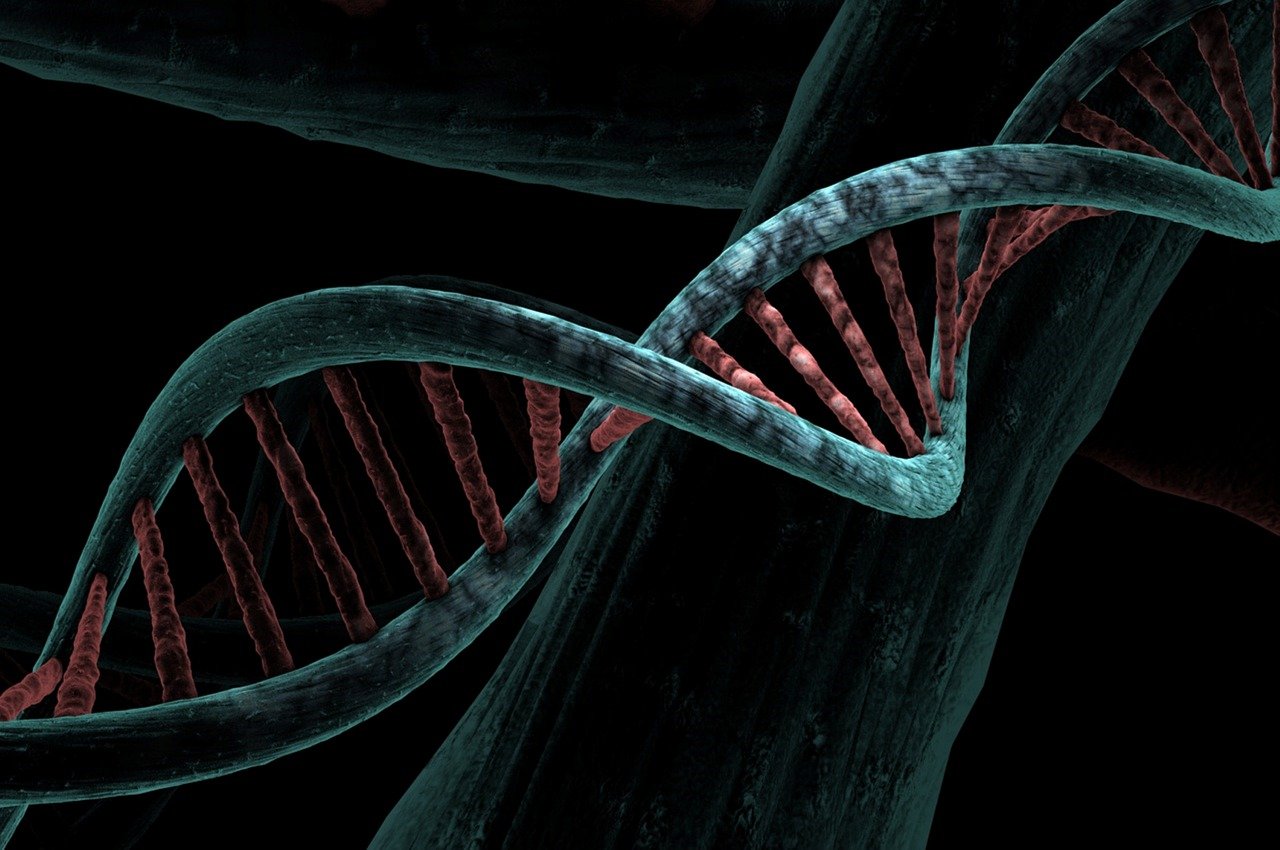

Genetic Counseling for Dog Breeders: What You Should Know
Genetic testing has become an essential aspect of dog breeding, providing insights into the genetic makeup of your breeding stock. This knowledge serves many purposes, such as predicting future health issues and understanding inherited traits. Genetic counseling offers dog breeders the information they need to make informed decisions about pairings and breed selections. By exploring genetic backgrounds, breeders can prioritize the health and longevity of their puppies while minimizing the risk of hereditary disorders. Engaging with genetic counselors helps breeders interpret test results profoundly, ensuring they grasp the implications of certain genetic markers. Additionally, discussing breeding goals with a counselor can guide breeders in focusing on specific traits and reducing potential health problems. Breeders should consider pursuing certifications or training in genetic testing to better understand the complexities involved. Knowledge of genetics enables breeders to produce healthier dogs that align with breed standards and enhance the canine gene pool. Organizations and databases are available to assist breeders in choosing appropriate genetic tests for their breeds while providing valuable recommended practices for responsible breeding.
Understanding Genetic Tests
Genetic tests can identify various traits associated with certain dog breeds, as well as susceptibility to inherited disorders. Understanding these tests is crucial for dog breeders. Types of tests include single gene tests for known conditions, multi-gene tests that assess numerous genetic markers simultaneously, and breed panels that provide insights into ancestry and breed identification. Knowledge of the specific conditions prevalent within each breed can shape the testing approaches breeders adopt. Breeders should carefully select tests based on factors such as breed-specific health concerns, personal breeding goals, and their breeding practices. It’s essential to recognize that some genetic conditions are more prevalent in specific breeds, and testing can mitigate their chances significantly. Results must be interpreted correctly to make informed breeding decisions; consulting with genetic counselors can aid this process. Moreover, advanced genetic testing can reveal unanticipated traits, allowing breeders to produce puppies that meet specific standards or expectations. Accessing reliable genetic testing sources and staying updated with contemporary testing advancements can greatly benefit dog breeders and their practices.
Initiating genetic counseling is a significant step towards enhancing your breeding program. A genetic counselor can help you navigate the complexities of canine genetics and offer interpretations of your test results. These professionals understand the intricacies of gene interactions, expression, and inheritance patterns, which can be tremendously beneficial in practical breeding scenarios. Their expertise can provide guidance on breeding strategies while ensuring compliance with breed standards. Additionally, genetic counselors can offer insights into potential ethical concerns surrounding breeding practices informed by genetic knowledge. Selecting which dogs to breed based on genetic testing outcomes requires careful consideration and expertise that counselors can offer. They can assist in predicting potential health outcomes of the offspring, thus contributing to healthier future generations. Establishing a strong relationship with a genetic counselor or a veterinary geneticist paves the way for informed decision-making. Furthermore, some breeders may need to understand how genetic counseling can align with breeding goals and ethics. Developing a solid understanding of canine genetics will lead to more responsible breeding.
The Role of Ethical Considerations
Ethical considerations play a fundamental role in genetic counseling for dog breeders. Understanding the moral implications of breeding decisions fosters welfare and joy among dogs and their prospective owners. Breeders must weigh the potential risks and benefits of selective breeding based on genetic information. This requires assessing each breed’s inherent characteristics while questioning whether specific practices align with responsible breeding ideals. Genetic testing results can sometimes reveal unfavorable profiles that could impact a breeder’s strategy. The ultimate goal should always be to improve overall canine health and avoid a genetic predisposition to inherited diseases that negatively affect well-being. Respect for the psychological and physical health of dogs is paramount throughout this process. Breeders should strive to maintain the integrity of their chosen breeds while promoting ethical standards rather than contributing to genetic disorders. Involving ethical principles helps ensure that every breeding decision made aligns with the commitment to canine well-being. Such an approach will withhold high breeding standards while advocating for sustainability in breeding practices.
Sharing knowledge and experiences with others in the breeding community enriches the process of integrating genetic counseling in breeding programs. Engaging in conversations with fellow breeders encourages open dialogue about the importance of genetics in breeding decisions. Additionally, attending seminars and workshops on genetic testing and counseling can further deepen understanding while enriching breeding groups’ collective knowledge. Networking with professionals in genetics, veterinary work, and breeding can provide diverse insights that can positively influence breeding practices within a community. Also, collaborating with canine geneticists can provide even more targeted advice pertinent to specific breeds and issues. Sharing the latest research findings on genetic health among breeders may reveal emerging trends, risks, and recommendations relevant to their breeding decisions. By forming supportive networks among breeders, particular emphasis should be placed on sharing best practices in responsible breeding that align with genetic health standards. Ultimately, enhanced communication leads to responsible choices that promote overall canine health and breed sustainability.
Conclusion and Future Direction
The future of dog breeding is undoubtedly intertwined with genetic counseling and genetic testing advancements. As we evolve in our understanding of canine genetics, the potential for producing healthier dogs becomes more significant. This requires a commitment from breeders to embrace genetic counseling knowledge for a brighter future for their breeds. Keeping up with scientific advancements is essential, enabling breeders to make informed decisions that align with state-of-the-art practices. Encouraging collaboration among peers in the breeding community will ensure that knowledge consistently flows, nurturing a culture of ethical and responsible breeding practices. Investing time in education about canine genetics will pay dividends towards minimizing health issues among dogs and expanding our knowledge of breed-specific traits. As more advanced genetic tests become available, breeders will have access to invaluable data to inform breeding decisions. Ultimately, the focus should remain on creating robust and healthy dogs that thrive in their environments. This commitment will not only transform existing breeding programs but also pave the way for the next generation of dog breeders.
In conclusion, genetic counseling offers dog breeders a pathway toward responsible practices that prioritize the health and well-being of their dogs. By utilizing genetic tests effectively and collaborating with experts, breeders can enhance both the short and long-term outcomes of their breeding programs. Addressing ethical considerations ensures that the welfare of dogs remains a primary focus while also promoting informed decision-making in breeding practices. Engaging with the larger community of breeders enables a culture of excellence rooted in shared experience and knowledge. Future advancements in genetic testing will undoubtedly continue to shape dog breeding’s trajectory, empowering breeders to make decisions that reflect both their dedication to their dogs and the pursuit of healthier canine generations. As such, investing in genetic counseling is a vital step for breeders who aspire to improve their breed’s health and longevity. By taking part in this essential aspect of responsible breeding, breeders not only enhance their knowledge but also contribute to the well-being of dogs everywhere. Embracing genetic counseling serves as a commitment to a healthier and more sustainable future for canine companions.