
Using Muzzles Safely and Humanely in Dog Grooming
Handling difficult dogs in grooming scenarios can present unique challenges for pet groomers. These situations require extra caution and skill to ensure both the safety of the dog and the groomer involved. Especially in instances where a dog is anxious or aggressive, utilizing a muzzle may become necessary. The primary goal when using a muzzle is to prevent biting while maintaining the welfare of the animal. Therefore, it is important for groomers to understand the different types of muzzles available and select one that suits the dog’s specific needs. Muzzles should only be used temporarily, as they can lead to stress if left on for extended periods. When introducing a muzzle to a dog, patience is essential. Gradually acclimatize the dog to wearing a muzzle by allowing it to associate the muzzle with positive experiences and treats. Accompany a brief muzzle session with plenty of encouragement. This approach fosters trust and helps to reduce anxiety. Groomers must also communicate openly with dog owners about the reasons behind using a muzzle, reinforcing the idea that it is for safety and comfort during grooming sessions.
Many dog breed characteristics can influence how effectively a groomer uses a muzzle. For instance, dogs that have a strong prey drive may exhibit aggressive behaviors during grooming, necessitating a secure muzzle for safety. Similarly, certain breeds, such as terriers, can be particularly feisty; recognizing this beforehand can be incredibly helpful. A significant point to note is that a muzzle should never be used as a behavioral correction tool. Instead, the focus should always be on creating a calming grooming environment. Groomers should work with each dog’s unique personality while ensuring that the dog’s comfort level and fear are prioritized. Incorporating desensitization techniques during the grooming process can significantly reduce the chance of difficult situations arising. This method will help prevent the dog from associating grooming with negative experiences. Similarly, it builds a positive bond through trust between the dog and the groomer. In addition, providing frequent breaks during the grooming session can also assist in keeping the dog calm. Overall, the aim is to create a safe and pleasant grooming experience for all involved.
Choosing the Right Muzzle for Different Breeds
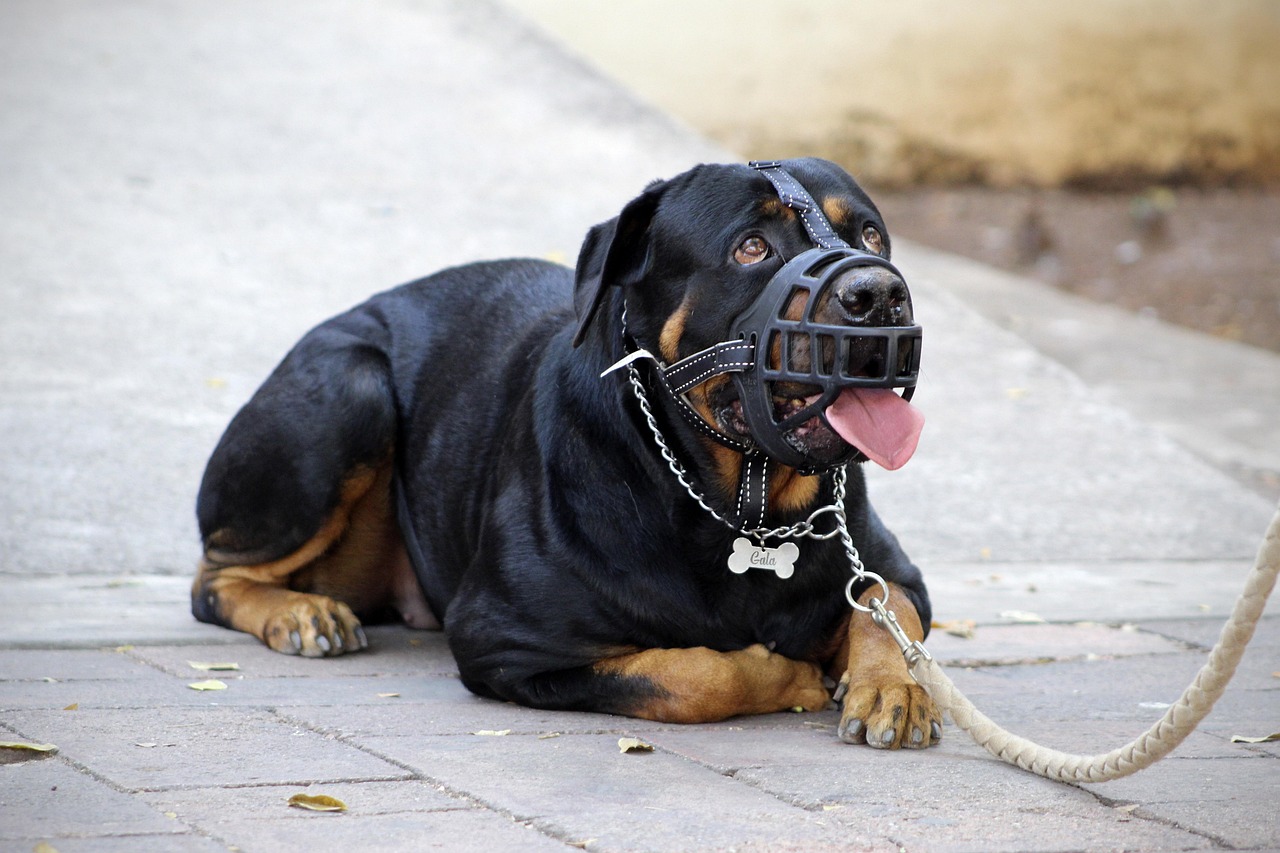
Different breeds may require different types of muzzles to ensure their comfort and safety during grooming. There are several muzzle variations, including basket muzzles, cloth muzzles, and wire muzzles. Each type has its specific advantages and disadvantages. For example, basket muzzles allow dogs to breathe, pant, and drink while still providing security against biting. These muzzles are often preferred during grooming because they don’t restrict the dog’s normal behavior as much. On the other hand, cloth muzzles are lightweight and can be more comfortable for short periods but can restrict the dog from breathing normally, making them less ideal for ongoing use. Wire muzzles also provide ventilation but may be heavy for longer durations. The key is to assess each dog’s behavior and temperament when selecting the best muzzle. Assessing daily needs and how the dog reacts in grooming situations can help owners make informed choices. Groomers should educate themselves on each breed’s specific grooming requirements, including whether using a muzzle is appropriate and which type would be best suited to the individual dog.
When introducing a muzzle to a dog, timing and method are essential. Begin by allowing the dog to see and sniff the muzzle without putting it on. Offering treats during this introduction encourages comfort and curiosity. Forcing the muzzle on the dog can exacerbate fear and anxiety, complicating future grooming sessions. Gradually work towards fitting the muzzle during short, positive sessions, associating its use with rewards such as treats or playtime. This positive reinforcement creates a desirable connection to wearing the muzzle. Furthermore, it is vital to monitor the dog’s comfort. If a dog shows signs of distress, take a step back and reassess the process. Allow for breaks and ease the dog into wearing the muzzle when necessary. Always be vigilant about the potential for stress-related behaviors. Additionally, remember that each dog may have a different rate of comfort when it comes to wearing a muzzle. Should signs of anxiety persist, it may be worth consulting with a professional trainer or behaviorist. Their guidance can help tailor a specific approach that works effectively for both the groomer and the dog.
Understanding Dog Behavior During Grooming
The behavior of dogs during grooming sessions can vary significantly based on their experiences and personalities. Certain dogs may be fearful or anxious due to previous negative experiences with grooming or unfamiliar surroundings. Understanding nonverbal cues will help groomers identify when a dog needs reassurance or encouragement. Watch for signs such as panting, pinned ears, and tail tucked tightly; these can indicate discomfort or fear. On the other side of the spectrum, some dogs may become overly excitable or aggressive. Identifying these behaviors early enables the groomer to take necessary precautions. It’s crucial to create a soothing atmosphere when working with nervous dogs. Utilizing calm, soothing voices and slow movements can help ease a dog’s anxiety during grooming. Moreover, integrating calming aids like music or scents can contribute positively to the environment. Groomers should also take their time to build rapport with the dog, allowing for gradual acclimatization. This relationship helps create a safety net during grooming, enhancing the experience for both the pet and the groomer. Patience pays off, resulting in a more pleasant encounter during future sessions.
To promote a safe and productive grooming environment, effective communication with pet owners is paramount. Discussing muzzle use beforehand can help normalize the process for owners while eliminating misunderstandings. This can also help alleviate any anxiety they may feel about their pet’s grooming experience. Providing information regarding the specific reasons for using a muzzle can help owners feel more comfortable. Communication channels can work effectively through initial consultations or follow-up calls after grooming sessions. Educating owners on the dog’s behavior and how to prepare their pets for grooming can further enhance the experience. Sharing some methods to get their dogs accustomed to wearing a muzzle at home can be incredibly beneficial as well. This collaboration fosters a strong relationship between the groomer and the pet owner, promoting trust and understanding. Offering tips and insights allows pet owners to feel part of the grooming process, thus reducing their apprehension. Furthermore, being proactive can lead to more positive experiences in future appointments. By ensuring both groomers and dog owners are on the same page, smoother grooming sessions can be achieved for all parties involved.
Conclusion: Ensuring Safety and Kindness
In conclusion, employing muzzles in dog grooming is not just about safety; it’s about ensuring kindness and respect for the animal. Groomers must strive to create a cooperative environment where dogs feel safe and cared for. It requires adaptability, knowledge, and trust-building with both the dog and the owner’s relationship. When executed thoughtfully, using a muzzle can transform an otherwise stressful situation into manageable and effective grooming sessions. Implementing positive reinforcement and following safety precautions while using muzzles can go a long way in promoting the pet’s well-being. Remember that every dog is unique, and what works for one may not work for another. Therefore, individualized approaches are essential for each grooming experience. By continuously updating skills and knowledge about handling difficult dogs, groomers can foster a practice that aligns with humane and safe methodologies in dog grooming. Ultimately, the goal is to enhance the dog’s comfort, successfully mitigate aggression, and promote positive outcomes. Prioritizing the well-being of the dog while achieving grooming objectives is essential for a successful outcome. With the right techniques, every grooming session can foster trust and respect in the dog grooming field.
Through regular training and education, groomers can refine their techniques. This ensures compliance with best practices while positively impacting pets’ experiences during grooming. Each grooming session is an opportunity for growth and connection with the animal. By emphasizing safety and empathy throughout the dog grooming process, as well as utilizing muzzles humanely, all parties can benefit. Within this context, dogs will grow to view grooming appointments positively rather than with fear. This shift in perception reinforces the groomer as a trusted professional in the dog’s life. A successful grooming session cultivates a partnership, ensuring that dogs not only look great but also feel good. Adopting a comprehensive approach to handling difficult dogs involves continual learning. The more prepared the groomer is, the better the experiences will be for all. In summary, employing muzzles safely and humanely sets the standard for professional grooming. Remember, the focus must always remain on the welfare of the animal. A conscious effort on the part of groomers can lead to a more cooperative atmosphere during grooming. In doing so, the bond between the groomer, dog, and owner can flourish. With dedication and compassion, transformative experiences are possible!