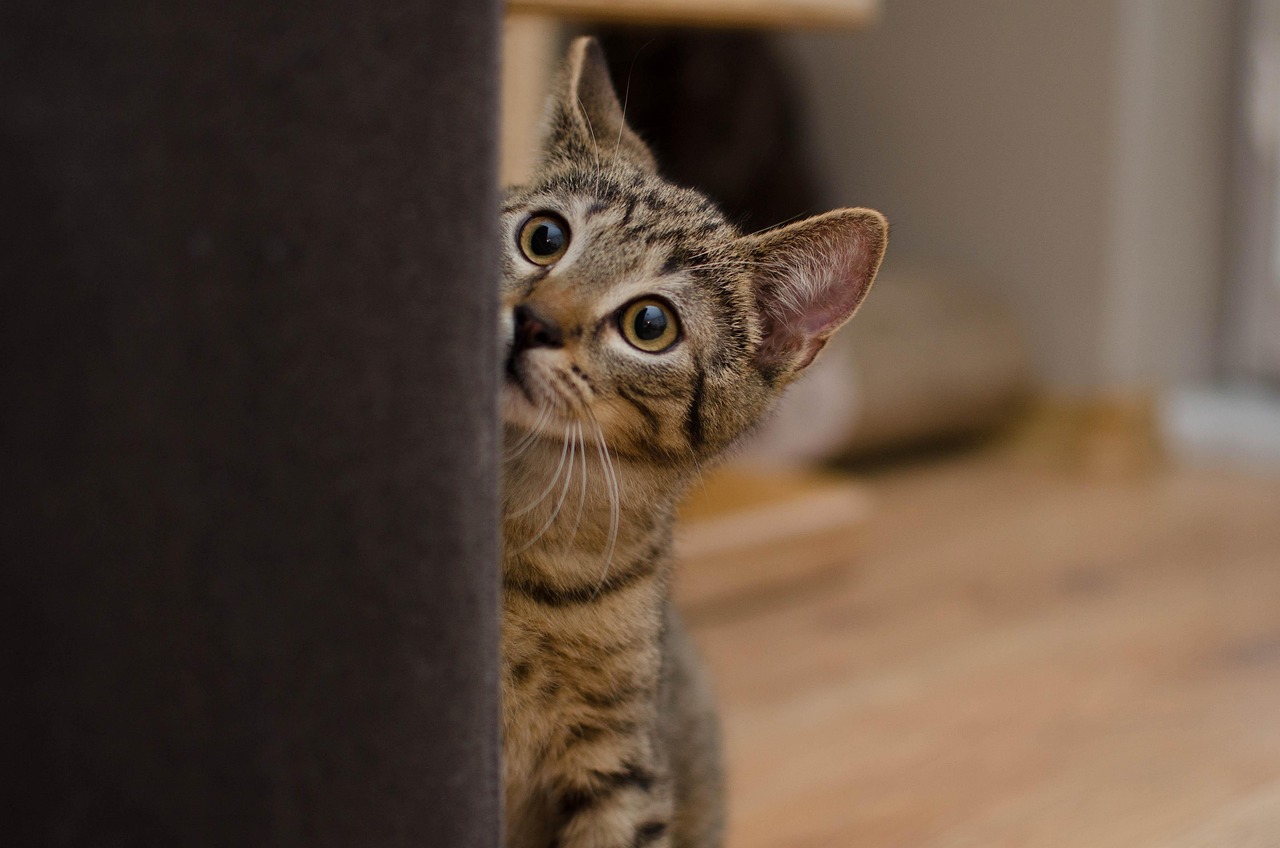

The Impact of Routine on Shy and Anxious Cats
Establishing a daily routine for your shy and anxious cat is essential for its socialization. Cats are creatures of habit, and they thrive on predictable schedules. When your furry friend knows when to expect meals, playtime, and cuddle sessions, it fosters a sense of security. A consistent routine helps reduce stress, making your cat more open to interaction and exploration of its environment. Gradually introducing new experiences during routine times can enhance your cat’s confidence when meeting other pets or humans. Pay attention to your cat’s reactions during feeding and play times, as these can reveal what makes your cat comfortable. Incorporate gentle adjustments into your existing schedule, observing your pet’s behavior throughout. Remember that patience is crucial; changes take time, especially for timid cats. Eventually, they will learn to connect their routine with positive experiences. This connection is crucial for building trust and reducing anxiety. Over time, along with consistency, increase the variety of experiences introduced to keep your cat engaged, thus improving social skills and confidence.
Routine plays a significant role in enhancing your cat’s social skills in various ways. By establishing specific times for meals, grooming, and interactive play, you allow your shy cat to anticipate these happenings. For instance, when you consistently engage in interactive play at the same time every day, your cat begins to associate this time with joy and companionship. This positive reinforcement is crucial for building trust and reducing anxiety levels in timid cats. Moreover, having a structured environment allows your cat to thrive with their routines. It creates a safe space, reducing their fears about sudden changes. Introducing changes during these routines is essential, as the predictability of their schedule acts as a stabilizing force in their lives. This stability encourages them to explore their environment without feeling overwhelmed. Take note that gradual introductions to new situations can only take place when routines are firmly established. Additionally, routines can help your shy cat become less defensive around new visitors, as they’ll have a secure reference point in their day-to-day lives. Design your cat’s routine with care, keeping its preferences in mind.
Creating a Safe Space
Developing a safe environment is pivotal in helping shy cats adapt. Establish spaces where your kitty can retreat if feeling anxious, like cozy beds or hidden nooks. These areas can become sanctuaries during stressful events. Ensure that your cat has access to these safe spots in accordance with its daily routines. This not only reinforces a sense of security but also encourages exploration over time. While your shy cat may prefer isolated areas, do not force interaction. Let them approach you at their own pace. Monitor their behavior during routine activities to understand their comfort levels. Altering the environment may require some experimentation; consider adjusting the location of toys or food bowls to see what makes them feel secure. The introduction of vertical spaces like cat trees can also enrich their environment, providing a sense of safety from above. In addition, having multiple litter boxes or food stations can reduce territorial anxieties. Building this environment underlines the importance of respecting their preferences and boundaries, ultimately shaping a more confident cat. Routine and safety together can propel the socialization process effectively.
The timing of new experiences is crucial for promoting positive behavior changes in your cat. A well-planned routine should incorporate slight variations, allowing your cat to adapt comfortably. Monitor your cat’s reactions carefully. If your cat shows agitation or fear during specific experiences, adjust them within the routine. This vigilance enables you to understand how and when to introduce new activities. Gradually exposing your cat to new people, sounds, or stimuli helps ease its adjustment. Be particularly cautious during peak anxiety times; noisy situations may hinder progress. Instead, identify quieter moments established in their routine for introductions. Schedule meet-and-greets with family or friends to occur during mealtime to create positive associations with new people. It is equally vital to celebrate small successes, as these moments help reinforce social behavior. Using treats or praise during social interactions encourages your cat’s confidence. Consistency and reinforcement help solidify the routines, ultimately nurturing the cat’s social growth. Always keep a keen observation on how they respond to new experiences, and adapt practices accordingly to provide comfort. Transforming socialization through routine becomes achievable with a thoughtful approach.
Understanding Feline Body Language
Understanding your cat’s body language is essential in the realm of socialization. Recognizing cues such as tail position, ear orientation, and body posture can convey meanings. Cats use these signals as a language to communicate feelings and emotions. For instance, an upright tail generally indicates a comfortable and happy cat, while a puffed-up tail may signal fear or aggression. Familiarizing yourself with these signs strengthens the bond with your pet, thereby improving socialization success. Pay attention to negative signals and adapt routine interactions accordingly—if your cat becomes agitated, pause and allow them to retreat for a bit. In contrast, observe positive cues, and reciprocate to encourage affectionate behaviors during established routines. While the goal is to help your pet become comfortable around more stimuli, understanding these nuances within their body language is essential. This makes planned interactions a lot smoother. Combining knowledge of body language with a strong routine will promote a conducive environment for your cat to thrive socially. The process of learning these cues deepens your relationship and reinforces a secure foundation for the future.
As you work towards familiarizing your shy and anxious cat with social settings, don’t overlook the importance of patience. Changes in behavior and socialization take time. Regular routines and gentle pacing contribute massively to your cat’s adjustments. It’s crucial to manage your expectations. Recognize that not all cats will respond at the same speed to routine changes, and that’s completely fine. Celebrate tiny milestones rather than fixating on major progress. Trust may take weeks or months to cultivate fully, so early and consistent experiences determine long-term success. Neglecting your cat’s comfort can create setbacks in their socialization journey. Ensure that your routines always incorporate ample opportunities for independent exploration. Allow your cat to take its time, making progress at its own pace, while steering clear of overwhelming situations. It’s equally vital to adapt your approach when necessary, ensuring that routines do not lead to stress. Utilize moments of calm to foster deeper connections gradually. This attentive approach yields positive transformations, ultimately seeing timid cats evolve into more outgoing and social companions enriched through routine stability.
Conclusion
To encapsulate, the impact of routine on shy and anxious cats is profound. A well-structured routine can transform their social experiences, building confidence gradually over time. Always take note that creating a safe environment, understanding behaviors, and practicing patience are essential in this process. Consistency in your cat’s daily life plays a vital role in reducing anxiety and enhancing their ability to socialize. Ensure to monitor signs that indicate comfort and discomfort, adapting your strategies to suit your cat’s needs. Progress in socialization may not always be linear; however, with a dedicated approach, long-lasting bonds can develop. By intertwining routines with love and care, caregivers facilitate a nurturing atmosphere. These efforts help shy cats become more willing to explore and engage socially, positively contributing to their overall well-being. Patience, time, and observation arm you with the tools needed to assist your cat in its journey. As you invest in these practices, the joy of witnessing your cat flourish socially is deeply rewarding. Following these insights emboldens you to create a confident, companionable feline buddy.
Additional Resources
For more information on socializing shy and anxious cats, consider visiting The Cat Community. They offer valuable insights on feline behavior and anxiety solutions. Exploring video content on platforms like YouTube can also present practical methods for handling sensitive cats as well, showing step-by-step routines in action.