
Top Sources of Fiber for Dogs
When considering the dietary needs of dogs, the importance of fiber cannot be overlooked. Fiber plays a significant role in maintaining healthy digestion, regulating blood sugar levels, and contributing to overall health. Many dog owners may not realize that fiber is not solely derived from grains but can be found in various plant and vegetable sources. Including the right amounts of fiber in your dog’s diet can help prevent constipation, promote satiety, and support healthy weight management. Understanding the optimal sources of fiber is crucial in formulating a balanced diet for your furry friend. This article will explore numerous fiber-rich foods that can enhance your dog’s nutrition and well-being. The following sections will delve into the best fiber sources available, emphasizing those that are both nutritious and safe for dogs. Ensure to consult with your veterinarian before making significant changes to your dog’s diet, as individual needs may vary. Whether you are looking for fresh fruits or vegetables, grains, or even specialized dog food, the right fiber sources can significantly improve your dog’s general health.
Fruits as Fiber Sources
Fruits are an excellent source of natural fiber, making them an enticing addition to your dog’s diet. Apples, for instance, are rich in fiber and vitamins while being low in calories. However, it is crucial to remove the seeds and core before offering them to your dog. Similarly, blueberries are small but mighty when it comes to fiber content and antioxidants. Other fruits like bananas and pears also provide considerable fiber, beneficial for digestion. These fruits can often be mixed in with your dog’s regular food or offered as a healthy treat. It’s essential to monitor portion sizes when introducing fruit, as too much sugar can lead to gastrointestinal upset. When choosing fruits, stick to those that are dog-safe. Be cautious with grapes, raisins, and citrus fruits, as they can be harmful. Always wash fruits thoroughly and cut them into manageable pieces to avoid choking hazards. By incorporating fiber-rich fruits into your dog’s diet, you can help promote healthy digestion and make mealtime more enjoyable for your furry companion.
Vegetables are another fantastic source of dietary fiber for dogs. Vegetables like carrots and broccoli are not only high in fiber but also rich in essential nutrients and antioxidants. Carrots make a great crunchy treat that many dogs love, and they can be served raw or cooked. On the other hand, broccoli is rich in vitamins and fiber, but it should be introduced in moderation to prevent gas. Other great options include green beans, which are low in calories and high in fiber, and pumpkin, which is well-known for its digestive benefits. Pumpkin is particularly prized for its high soluble fiber content, helping to manage both constipation and diarrhea. When preparing vegetables for your dog, it’s best to steam or cook them lightly to ease digestion. Avoid seasoning or adding oils, as these can be unhealthy for dogs. Gradually introduce new vegetables to your dog’s diet to minimize digestive upset. With a variety of vegetables, you can enhance your dog’s meals while providing necessary fiber, thus keeping them healthy and happy.
Grains as Fiber Sources
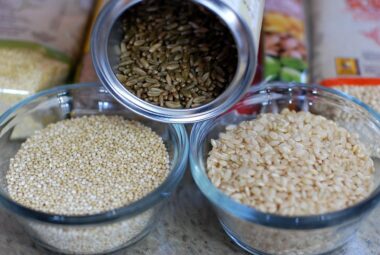
Grains are often underestimated as fiber sources for dogs. Whole grains, such as oats and brown rice, provide valuable fiber and energy. Additionally, they are an excellent choice for dogs with sensitive stomachs. Oats are particularly beneficial as they help maintain a healthy cholesterol level and regulate blood sugar. Brown rice is another staple that is easily digestible and provides ample fiber. Quinoa is an excellent gluten-free option packed with protein and fiber. While some dogs may have allergies or sensitivities to certain grains, many can benefit from including whole grains in their diet. However, always monitor your dog’s responses closely after introducing new grains to identify any adverse reactions. Introduce these grains gradually in small amounts to assess tolerance. Combining whole grains with other fiber sources can create a well-rounded diet that supports your dog’s digestive health. Always consult your veterinarian before making significant dietary changes, as they can help you assess your dog’s individual needs for optimal health.
Legumes represent another top source of dietary fiber for dogs, and they come packed with protein and nutrients. Beans such as lentils and chickpeas are especially high in fiber and provide valuable health benefits. Lentils, for example, not only help with digestion but also provide significant amounts of protein and essential vitamins. Chickpeas are not only great for gut health but can be cooked, mashed, or even pureed to create a nutritious treat. While legumes can be beneficial, it’s crucial to cook them thoroughly before offering them to your dog to ensure they are easily digestible. Avoid feeding dogs raw legumes as they can be harder to digest and potentially harmful. Consult your veterinarian regarding appropriate portions when adding legumes to your dog’s diet. Start with small quantities to prevent gastrointestinal upset, and increase servings gradually as they acclimate. Incorporating legumes into meals can provide an excellent fiber boost while balancing protein content, thus contributing to your dog’s overall health and dietary variety.
Commercial Dog Foods with Fiber
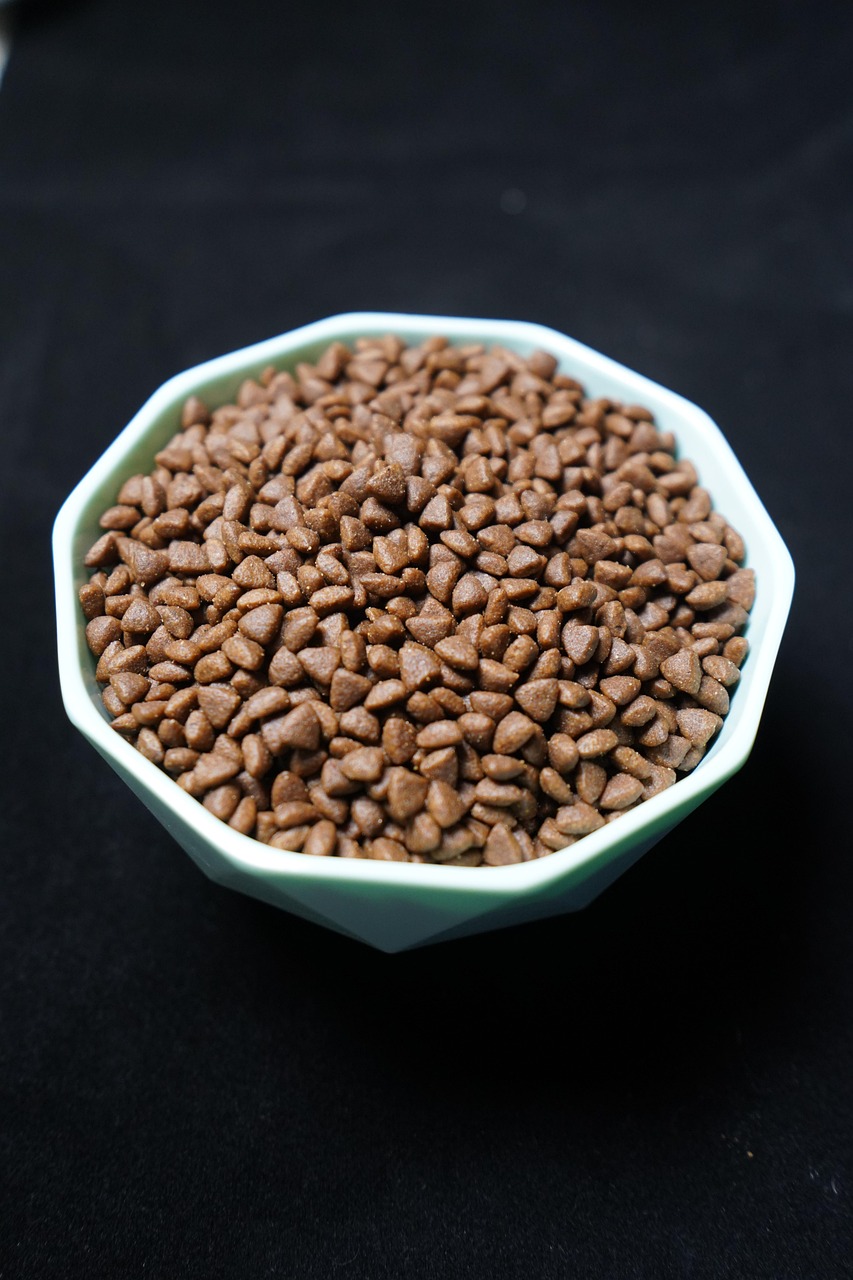
Choosing the right commercial dog food is crucial for meeting your dog’s fiber needs. Many top brands formulate their recipes specifically with fiber in mind. These foods often contain a blend of fruits, vegetables, and whole grains to provide a balanced nutritional profile. When selecting dog food, look for products labeled with high fiber content, ideally between 3% to 5% for adult dogs. Dietary fibers such as beet pulp and chicory root are commonly found in commercial foods, promoting digestive health effectively. Pay attention to the ingredient list, and prefer foods that prioritize whole, natural ingredients. Additionally, consider your dog’s particular dietary needs based on its size, breed, and health status. Consult your veterinarian to determine the best type of commercial dog food that aligns with your dog’s nutritional requirements. Transitioning between different dog food brands should be done gradually over a period of a week to avoid disrupting your dog’s digestive system. Incorporating high-fiber dry or wet food options can be an effective way to ensure your dog receives ample dietary fiber.
Lastly, don’t overlook the importance of consistency in maintaining your dog’s fiber intake. Regularly including fiber-rich foods ensures that your dog has the necessary resources for optimal digestive health. Tracking your pet’s food consumption can help determine if they are receiving an adequate amount of dietary fiber. Fiber intake should be adjusted based on factors such as your dog’s age, activity level, and specific health issues. Senior dogs may benefit from higher fiber diets to aid digestive motions, while active dogs might require balanced levels to maintain their energy. Consulting your vet is always a good practice to align fiber sources with your dog’s existing eating habits. If you notice signs of gastrointestinal distress, such as diarrhea or constipation, consider evaluating the fiber sources within your dog’s diet. Fiber intake can be altered over time, but changes must be executed gradually to avoid upsetting your pet’s digestive system. Overall, understanding the importance of fiber within your dog’s diet will lead to long-term health benefits.