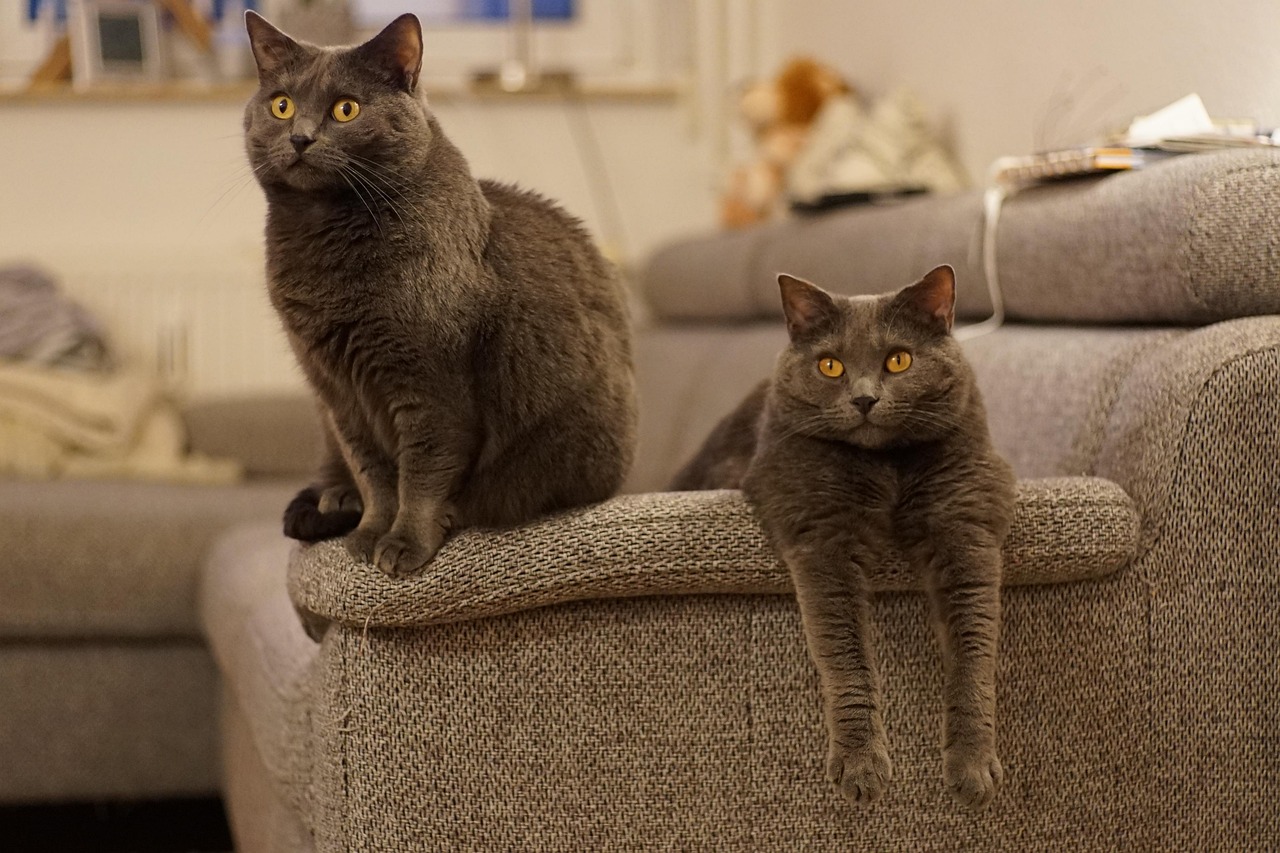

Chartreux Cats: Understanding Their Vocalizations
The Chartreux cat breed is known for its unique characteristics, including their distinctive vocalizations. These cats often communicate using a range of sounds that can be quite engaging and emotive. Their voice typically includes chirps, trills, and soft meows, which can vary based on their mood. Understanding what these vocalizations mean is essential for any Chartreux owner. For instance, a soft trill might indicate that your pet is content or happy with its surroundings. If they produce a more urgent sound, it might signify that they want attention or food. Building a bonding experience through vocal interactions can be tremendously rewarding. With this breed, vocalization is a part of their charming personality, reflecting their friendly and sociable nature. What makes these cats even more endearing is their tendency to form deep connections with their human companions. Listening closely to how they communicate can enhance the relationship and improve their quality of life. Chartreux cats thrive on interaction and responsive conversations with their owners, creating a relaxed yet lively home environment. Embracing these interactions is key to understanding this unique breed.
The Nature of Chartreux Vocalizations
Chartreux cats have an innate ability to express themselves vocally, which sets them apart from many other feline breeds. Their sounds can range from gentle purring while being petted to expressive meows when they wish to convey a need. Notably, each cat can develop its own unique vocal repertoire, making it essential for owners to familiarize themselves with these nuances. Typically, Chartreux cats are not overly vocal but tend to express their feelings through specific sounds at appropriate moments. For instance, a Chartreux might emit a deeper, more resonant sound when trying to get your attention, which can be taken seriously. Their sounds can also indicate mood variations, showcasing excitement or displeasure. Recognizing the differences in vocalizations is a fundamental part of their care. Owners should take note when their Chartreux seems more vocal than usual, which could signify a need for more playtime, social interaction, or even a check-up with a veterinarian. Appreciating these vocal patterns deepens the connection between cat and owner, enhancing communication and fostering an emotionally supportive home.
Furthermore, observing a Chartreux’s body language alongside their vocalizations can provide additional insights into their feelings. For example, a Chartreux that holds its tail high while chirping is generally in a good mood, ready for play or engagement. Conversely, crouched posture or a low tail may hint at insecurity or displeasure, even if their vocalizations are mild. Being attuned to these signals strengthens the bond between the pet and owner. With a little training and attention, owners can cultivate a home where their Chartreux feels both secure and loved, promoting well-being. Engaging with your cat during playtime can also encourage more cheerful vocalizations over time, as they learn to associate fun with communication. Therefore, spending quality time with your Chartreux is crucial! Chartreux owners often describe their cats as very gentle and affectionate companions. Their charming voices complement their cheerful demeanor, providing an extraordinary dynamic to existing relationships at home. Enhancing this connection through simple interactions creates an atmosphere where both owner and pet thrive and enjoy many joyful moments together.
Common Vocalizations and Their Meanings
Chartreux cats have several common vocalizations that communicate distinct messages. One prominent sound is a trilling noise, often produced when they see something exciting or seek attention from their owner. This delightful trill can evoke a sense of joy in the home, signaling eagerness for interaction. There is also the gentle purring sound that signifies contentment and relaxation, indicating their sanctum of comfort, especially when cuddled. However, a more abrupt meowing, escalating in intensity, may be an alert to potential problems that warrant attention. Some Chartreux may also produce an inquisitive sound, resulting when they are curious about their surroundings or want to engage in play. These vocal patterns allow owners to gauge their pet’s feelings and create a nurturing environment. Engaging with each noise can also lead one to greater familiarity and understanding of the breed. Essentially, recognizing and responding to these vocalizations enables a dynamic and engaging relationship. By doing so, Chartreux owners create a dialogue filled with love and affection that significantly enhances the emotional footprint of their home.
In their youth, Chartreux kittens display a range of vocalizations as they learn to communicate more clearly. Generally, they begin with softer sounds before slowly developing a more defined vocal identity. During this period, it’s beneficial for cat owners to encourage healthy vocal expressions while providing proper feedback. For example, when a kitten makes a sound to solicit help or affection, responding positively will reinforce that behavior, promoting a social nature. Additionally, early exposure to different environments and stimuli can enhance their willingness to vocalize as they grow. Many owners love to share these delightful moments of their kittens interacting with sounds, especially when they mimic behaviors they observe in adults. Moreover, diverting their attention to playful engagements allows them to challenge their vocal faculties, expanding their communicative skills. This youthful phase is crucial for the social development of Chartreux kittens, emphasizing the importance of timely interactions. As they mature, these cats will carry forward their love for vocalization, leading to pleasant companionships and shared experiences that will last for many years.
Encouraging Positive Vocal Interactions
Chartreux cats flourish in environments where positive interactions are consistently encouraged. By fostering an atmosphere that values communication, owners can motivate their cats to become more vocally expressive. Creating playful situations—like introducing interactive toys or engaging in gentle games—can significantly enhance the frequency and nature of their vocalizations. Owners should also incorporate positive reinforcement techniques, offering treats or praise when their cat vocalizes. Over time, this will solidify the idea that using their voice is both enjoyable and welcomed. Detailed observation of preferred sounds can reveal likes and dislikes in terms of play and food preferences as well. Chartreux cats often become more confident in their vocalizations when they feel secure, prompting owners to cultivate environments that echo this sentiment. Providing a solid and engaging routine reassures Chartreux cats, resulting in agreeable sounds that fill the home with joyful chatter. This proactive approach not only enhances the pet’s well-being but also creates lasting memories through mutual dialogue, strengthening the bond over time through rich engagement and happier surroundings.
In conclusion, understanding and facilitating vocalizations in Chartreux cats build essential connections between them and their owners. This beautiful breed thrives in environments where their communicative skills are recognized and appreciated. Owners who actively engage with their cats through vocal interactions can experience a profound relationship that enriches both lives. The result is a deeper bond, strengthened by shared moments that are as unique as the Chartreux breed itself. Those interested in adopting or fostering one of these charming cats should always consider vocalization as an integral part of the pet’s personality. By acknowledging their unique sounds and the meanings behind them, owners can establish an emotional rapport enriched with mutual respect and joy. Chartreux cats flourish through attention, responsiveness, and self-expression, all of which are vital components of their experience. Ensuring a positive atmosphere that values vocal expressions makes for a happier cat and, subsequently, a fulfilled human companion. With love and understanding, Chartreux cats will undoubtedly continue to fill homes with warmth, playful sounds, and vibrant companionship.