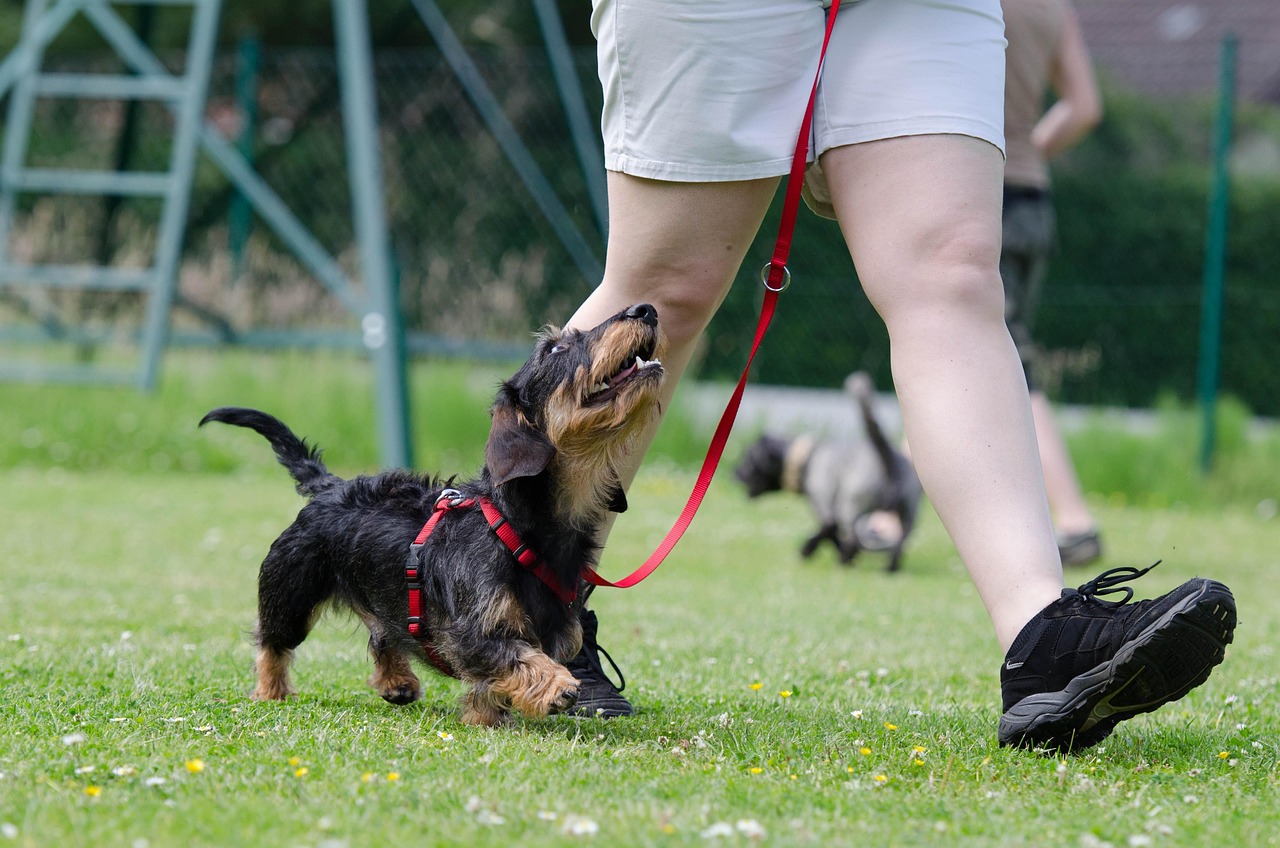

How to Train Multiple Dogs Using Separate Clicker Kits
Training multiple dogs can be a rewarding but challenging experience. One effective method to manage the training process is using separate clicker kits for each dog. This allows for tailored approach to the training based on the unique behavior and personality of each dog. Furthermore, individual clicker kits help to prevent confusion among the dogs, enabling them to understand commands more clearly. When choosing a clicker kit, look for models that are easy to use, durable, and produce a consistent sound. In addition to clicking devices, consider incorporating treats into your training routine to reward your dogs effectively. Always remember that positive reinforcement is key. With each training session, ensure each dog feels special by giving them attention and praise as they respond to the clicker. This individualized approach can reduce competition for treats and attention among your pets, creating a harmonious learning environment. Be patient and practice consistently. Given time and effort, each dog can thrive in their training, leading to a happy, well-behaved pack. So, gather your clickers and treats and get ready to embark on a fun training journey with your multiple canine companions!
Before starting the training, it’s wise to assess each dog’s behavior and understanding of commands. This makes tailoring the clicker training process easier. Begin by introducing one command at a time with each dog using their designated clicker kit. For example, you might start with basic commands such as ‘sit’ or ‘stay.’ Once they demonstrate understanding, gradually move on to more challenging commands. To achieve this, ensure that the environment is distraction-free. Training sessions should preferably last no longer than 15 minutes, as dogs can lose focus quickly. During these sessions, use positive reinforcement every time a dog responds correctly to a command. This can include verbal praise and a tasty treat. Keeping sessions short and stimulating is vital to maintaining their interest. Using individual clicker kits can reduce the likelihood of dogs competing for attention, thereby making the training process more effective. Remember to keep track of each dog’s progress. Take notes to help identify which commands each dog masters easier or struggles with to help adjust training plans effectively. This can lead to a more productive learning experience for all involved.
Tools Needed for Effective Training
The right tools are essential for training multiple dogs effectively. Clicker kits usually include a clicker, treats, and sometimes a training guide, which can be beneficial for beginners. Invest in quality clickers that are user-friendly and produce a sound that is distinct yet pleasant for the dogs. This is crucial in helping them associate the click noise with positive reinforcement. Consider buying separate bags to hold treats for each dog. Training pouches are convenient, allowing you to easily access treats while keeping your hands free for the clicker. Depending on the training methods you choose, other accessories like leashes and harnesses may also be essential. Harnesses can provide better control over your dogs, especially during training outings. Also, a training log can prove useful for tracking each dog’s journey through the training process. This log can include the commands learned, their behaviors, and milestones achieved. All these elements combine to create a comprehensive and effective training toolkit for dog owners. The more prepared you are, the smoother the training sessions will be for both you and your dogs.
Another key aspect of training multiple dogs is establishing a consistent routine. Dogs thrive on schedules, which can contribute to their understanding of when it’s time to learn and when it’s time to relax. By creating a training calendar, you can plan sessions for each dog on alternating days or times, preventing overwhelm. Keeping their training sessions consistent will help solidify their learning. Likewise, routine helps them to expect rewards and praise after completing specific actions. It’s also crucial for handlers to stay calm and collected during training. If one dog becomes overly excited, it ruins the focus for the entire training session. Consider incorporating fun and engaging activities between training exercises, allowing dogs to use their energy positively. Activities can vary from brief playtime to engaging toy sessions. Additionally, ensure that they receive downtime after training to relax and assimilate what they’ve learned. Creating a balanced approach between training, play, and rest can lead to happier dogs that respond better to commands, reinforcing the training efforts effectively over time.
Encouraging Healthy Competition
Training multiple dogs can also create an unintentionally competitive environment. Encouraging healthy competition can be advantageous if managed correctly. Begin by rewarding each dog separately during training to promote individual achievements. Instead of comparing dogs to one another, highlight their unique strengths and abilities. This positive reinforcement can bolster their confidence and improve obedience. For instance, if one dog excels at learning new commands faster, celebrate their success without overshadowing the other dogs. Instead, simultaneously ensure that each dog receives praise for their own accomplishments, regardless of speed or proficiency. This strategy promotes camaraderie rather than rivalry. Additionally, consider varying exercise activities that include friendly challenges. Activities like agility training can serve as fun, competitive experiences, allowing each dog to shine in their abilities. Competition should never become aggressive but rather foster a stimulating learning atmosphere as they train side by side. By finding a balance between friendly competition and individual focus, owners can cultivate a satisfying dynamic for both their dogs and themselves.
A crucial step during your training journey is to identify specific behavioral issues that may arise when training multiple dogs together. Sometimes, distractions from one dog can shift focus away from another, causing confusion during training sessions. For instance, if one dog prefers to play rather than obey commands, it can lead to a chaotic learning environment. To combat this, observe interactions beforehand and determine which dogs may require individual attention. It could be helpful to schedule training sessions at different times or in separate spaces to minimize distractions. On the other hand, dogs that work well together may benefit more from group training sessions with encouragement from each other. In either case, continually evaluating each dog’s behavior during training is crucial for tailoring strategies effectively. Adopt techniques to redirect negative behaviors when they arise promptly. Remember, addressing issue behavior does not mean removing the dogs from training altogether. Instead, adapt the approach, help them regain focus, and reinforce positive responses. This strategy is essential for ensuring that training remains productive and engaging for all involved.
Measuring Progress and Success
Finally, measuring progress is vital for continual improvement in training multiple dogs. Set clear goals for each dog, whether it’s mastering a specific command or displaying good behavior on a leash. Regular check-ins will help gauge their progress and make necessary adjustments to the training routine. Keeping a journal that documents daily or weekly milestones can be an essential tool. This will help identify patterns, strengths, and weaknesses, leading to a more focused training approach. In time, owners will recognize what commands each dog learns more easily and which could use additional practice. Additionally, celebrate successes together, whether that be a fun outing or an extra treat session. This not only reinforces their learning but also builds a bond within the group. Measuring success can also involve observing behavioral changes in each dog overall; are they more attentive? Do they respond faster? Implement these observations in planning future sessions, ensuring that training remains accessible and enjoyable for your pack. By continually adapting your methods based on success, you ultimately foster an enriching environment for your dogs to thrive in their training journey.
Remember that training is a lifelong journey, especially when working with multiple dogs. Never stop learning and adapting your training approaches as your dogs grow, change, and develop new behaviors. Each dog will teach you unique lessons along the way, providing insight into their individual personalities and motivations. Participate in local training classes or workshops to gain new tactics and fresh perspectives that could improve your training approach. In time, your experience will guide you in adjusting techniques, making training sessions even more beneficial for each dog. Strengthening the bond with your dogs is crucial. Focus not just on obedience but also on mutual trust and affection, developing a well-rounded relationship. Training doesn’t have to be a rush; instead, view it as an opportunity to interact and engage with your furry companions positively. Always remember that your enthusiasm and consistency will significantly influence their responses and overall trainability. With patience, dedication, and love, training multiple dogs can be an extraordinary experience, creating a well-behaved pack that respects and responds to your commands. So keep your clickers ready, and enjoy the fantastic learning journey with your beloved dogs!