
Dog Photography Focus: Highlighting Canine Features in Photos
Dog photography offers a unique opportunity to capture the true essence of our canine companions. Unlike general pet photography, it focuses specifically on the characteristics and personalities inherent to dogs. Stunning images showcase breed-specific traits, including fur texture and body structure. Professional photographers utilize specific techniques to emphasize soulful eyes, expressive faces, and playfulness. By understanding canine behavior, photographers create intimate portraits that reflect the relationship between the dog and its owner. Focused attention to backgrounds ensures that distractions are minimized while further highlighting the dog’s features. Using natural lighting enhances colors and textures, maximizing the visual impact of the photographs. Moreover, photographers may employ various angles, from ground level to aerial views, which offer fresh perspectives on familiar subjects. This versatility in approach engages viewers on multiple levels and expands the artistic repertoire within the photography genre. Overall, dog photography serves to immortalize moments of joy, companionship, and loyalty shared between dogs and their humans. Ultimately, the goal is to create lasting memories that resonate deep within the viewer’s heart, showcasing how remarkable and special each dog truly is in its own unique way.
When it comes to dog photography, understanding the various breeds is essential for portraying their individual traits effectively. Each breed possesses distinct physiological features and behaviors that inform the artistic decisions made during a shoot. For instance, photographing a Greyhound requires specific techniques to showcase the sleek elegance inherent to the breed. By contrast, photographing a fluffy Golden Retriever focuses more on capturing their playful and gentle nature. Additionally, various backgrounds can be utilized to complement the breed’s unique features. Natural settings, such as parks or forests, are perfect for lively breeds that love to romp around, while more structured environments fit better for laid-back breeds. Color theory plays an important role—understanding how colors interact allows for harmonious compositions. A professional dog photographer often collaborates with dog trainers to ensure the best possible outcome during the shoot. Having a model that recognizes commands can radically improve the quality of the final results. Furthermore, props and toys can entice dogs into natural and engaging poses, capturing their personality at its fullest. All these considerations contribute significantly to ensuring that each dog’s unique and beauty shines through in final images delivered to clients.
Techniques for Engaging Dog Photography
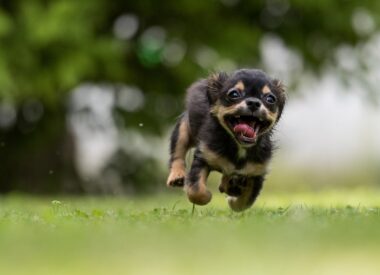
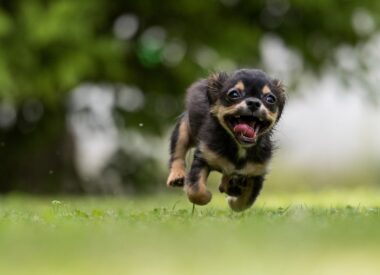
To create engaging dog photography, several techniques should be employed to capture the spirit of one’s subject. Various approaches can elicit movement, allowing for dynamic shots brimming with energy. A photographer may use toys or treats to grab the dog’s attention and encourage playful interactions. Timing is often critical, as capturing spontaneous moments can lead to some of the most heartfelt images. Moreover, utilizing a high-speed shutter can freeze action in mid-play, resulting in stunning displays of joy. Additionally, adjusting aperture settings creates a shallower depth of field, blurring backgrounds and isolating the subject to emphasize their expressions. Angling the camera to the dog’s eye level generates an engaging connection with viewers, creating a more intimate feel. Techniques such as using wide-angle lenses can also provide a unique visual experience by including surrounding elements that speak to the dog’s personality or environment. The advantage of these methods is that they adapt easily to various circumstances, whether at home, in a park, or even during special occasions. Utilizing the right techniques ensures that every captured moment truly reflects the personality of each dog, serving as visual narratives of their lives.
Post-processing techniques are crucial for enhancing the visual appeal of dog photography. After capturing the perfect shot, photographers often rely on editing software such as Adobe Lightroom or Photoshop to polish images further. Common adjustments include sharpening details to accentuate fur texture and eyes, highlighting aspects that make dogs so captivating. Color correction is another essential step, ensuring that the final product represents the dog’s true colors, correcting any distortions created by lighting conditions during the shoot. Furthermore, cropping can dramatically change a photo’s composition, guiding the viewer’s attention directly where it needs to be. Brighter images create an atmosphere of vitality and joy—perfect for showcasing dogs in their element. Some photographers may apply filters for artistic effects that align with their style. Nonetheless, it is crucial to strike a balance, ensuring adjustments enhance the photo without misleading the viewer regarding the dog’s appearance. The aim is to maintain authenticity while presenting the dog in the best light possible. Ultimately, post-processing not only enriches visual narratives but also showcases the artistry inherent in capturing the bond between dogs and their humans.
The Role of Environment in Dog Photography
The environment plays a significant role in dog photography, affecting both the aesthetic and narrative of images. The choice of location can enhance or detract from the overall feel of the photos. Natural elements, such as trees and water, create serene backdrops that mirror dogs’ playful and adventurous spirits. While parks are common choices, unique locations—such as urban settings with striking architecture—can add a contemporary twist. Each location presents its own set of challenges; busy backgrounds may distract from the dog, so it’s essential to scout locations ahead of time. The time of day also influences the quality of light available for photography—golden hour is prized for its soft, warm glow. Consideration of weather conditions is equally vital, as overcast days result in softer shadows, while sunny days can introduce harsh contrast. Additionally, familiar environments, such as a dog’s home, capture intimacy and comfort, showcasing the unique bond shared between pet and owner. By thoughtfully choosing suitable environments, photographers can successfully convey the story behind each image, allowing viewers to connect with the dog being portrayed in rich, evocative settings.
Interacting with dogs during a photo session is at the heart of capturing genuine expressions and moments. Building rapport with the subjects facilitates natural poses that radiate life and enthusiasm. Photographers often employ various techniques—such as making playful noises or using a favorites toy—to capture spontaneous laughter during playful interactions. Patience is also key; allowing dogs to act naturally often results in candid moments that tell a deeper story. It’s essential to understand dog behavior, allowing photographers to anticipate moments that may arise during a shoot. For instance, enticing a dog with a treat can provoke a joyful leap, creating perfect fodder for breathtaking images. This engagement leads to lively visuals that resonate emotionally with viewers. Additionally, it is beneficial to communicate effectively with the dog’s owner, ensuring they participate in eliciting the dog’s personality. Familiar cues can be especially effective in triggering joyful responses, eliciting more honest expressions. Ultimately, utilizing unique techniques for interacting with dogs during the session leads to visually striking results that truly embody canine spirit while creating heartwarming memories.
Sharing and Showcasing Dog Photography
After successfully completing a dog photography session, sharing and showcasing the stunning images becomes crucial for reaching a broader audience. Social media platforms provide ideal venues for displaying individual photos and creating cohesive portfolios, capturing the hearts of dog lovers everywhere. Instagram, in particular, serves as a visual-centric platform, allowing photographers to engage with a large audience through hashtags, stories, and live sessions. Furthermore, creating a website or blog dedicated to dog photography allows for a more comprehensive showcase of the portfolio and techniques used. Engaging storytelling can enhance the experience, inviting readers to connect with the moments behind the pictures taken. Collaborating with local dog shelters or pet influencers can also extend reach while promoting awareness for a good cause. Additionally, entering competitions allows photographers to gain recognition and accolades for their skills. Whether amateur or professional, sharing work can result in invaluable connections within the pet community. Presentation matters; ensuring images are high-quality and well-curated enhances their impact. Ultimately, effective sharing and showcasing are essential steps in elevating the art of dog photography, leading to rewarding opportunities for creative expression.
Dog photography is an art that goes beyond simple documentation; it captures the essence and personality of beloved pets. Above all, the bond between humans and their dogs serves as an infinite source of inspiration for photographers striving to translate emotional connections into vivid visuals. Emphasizing features unique to dogs commemorates the joy and love that these animals provide in our lives. Techniques employed throughout the process contribute significantly, ensuring that the magic moment is preserved for future generations. By delving into the realm of dog photography, individuals share the joy of an everlasting memory, whether a playful romp in a park or a quiet moment of companionship. When the essence of each dog is celebrated through photography, the results are often captivating, pulling at heartstrings and inciting shared emotions among audiences. As clients receive their portfolio of images, they take home not just pictures but tangible memories to cherish forever. In conclusion, dog photography is a powerful means of preserving the irreplaceable moments shared between humans and dogs, encouraging a deeper understanding of the significance our furry friends hold in our lives. This artistic endeavor continues to highlight and celebrate the beauty of dogs everywhere.