
Strategies for Controlling Parasites in Stray and Feral Cats
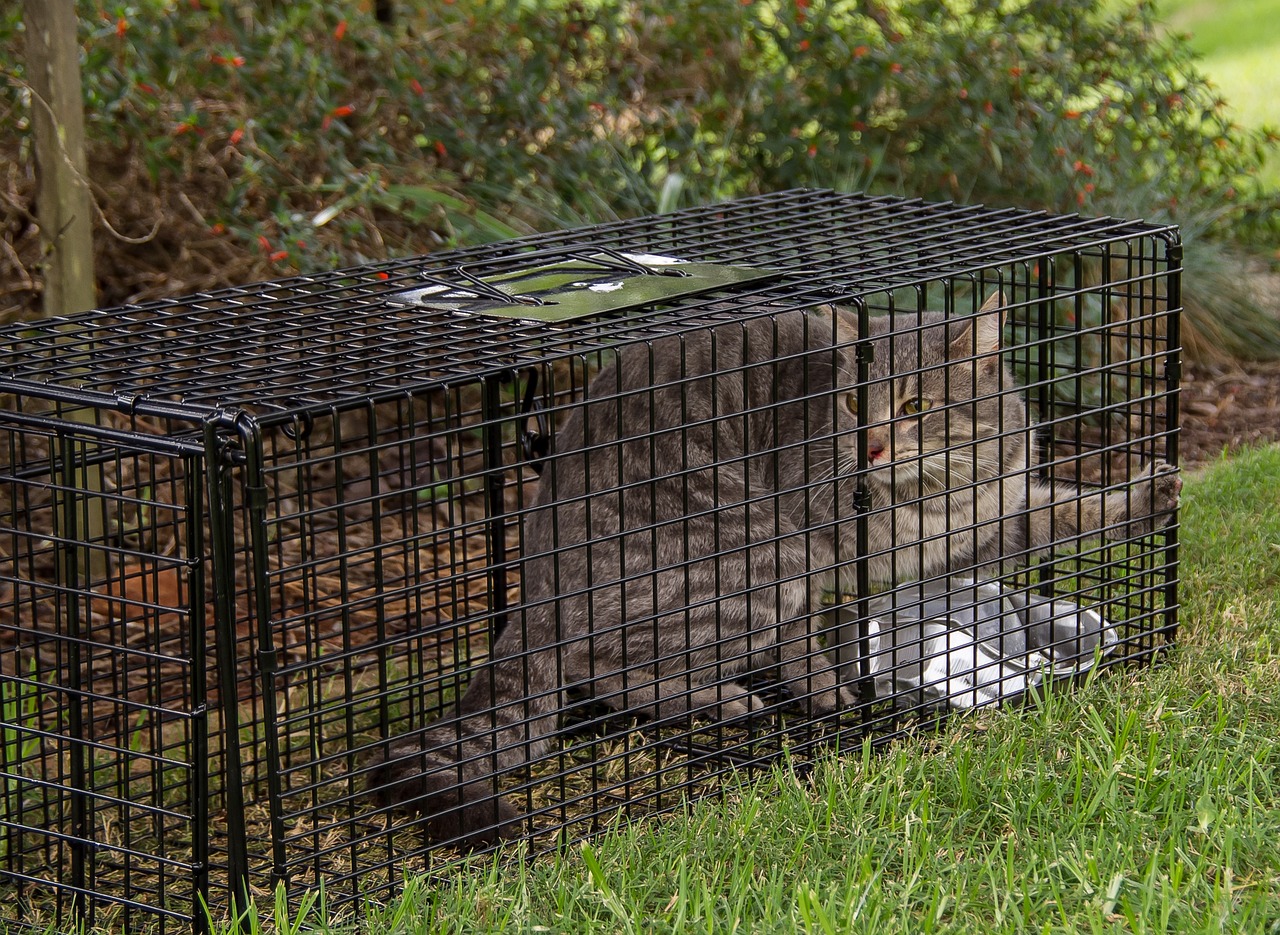
Controlling parasites in stray and feral cats is essential for their health and the wellbeing of communities. Implementing strategies to reduce parasitic infections will help both the feline population and public health. Various community resources exist to support these efforts. The first strategy involves vaccination programs that can help reduce the spread of parasites. Local veterinary clinics or animal shelters may provide low-cost vaccinations.Another effective approach is the establishment of feeding stations where community members can bring food. This allows caretakers to monitor the cats’ health and apply treatments when necessary. Regular treatment schedules for deworming and flea control can prevent infestations from becoming prevalent. Additionally, reaching out to local animal rescue organizations ensures a plan for trapping and neutering stray cats. Spaying and neutering not only control the cat population but also reduces the chances of parasites being transmitted. Education programs that inform the public on parasitic risks and prevention methods are vital. Providing materials on proper care and fostering community involvement enhances overall effectiveness in controlling parasites in cat populations.
Local wildlife rescues play a pivotal role in facilitating these initiatives. They offer essential resources such as information about regional parasite life cycles, which is crucial for understanding infection risks. Community workshops can help educate people on the signs of parasitic infections, enabling them to identify issues early. Collaboration with schools can spread awareness about proper cat care. School programs can integrate lessons on responsible pet ownership, paired with hands-on activities such as care drives. Engaging volunteer programs encourage local citizens to get involved and help with community trapping efforts. Volunteers can assist in monitoring and treating cats that frequent areas nearby. Social media can be a powerful tool for spreading awareness and organizing local events. Each event dedicated to cat care garners attention and support for stray and feral cats. Distribution of informative pamphlets at community centers and pet stores can also be beneficial. Furthermore, pet supply stores may collaborate with animal shelters for fundraising events to provide needed medications. Increased community engagement fosters responsibility among citizens to ensure the health of stray cat populations.
Partnerships with Local Veterinary Services
Establishing partnerships with local veterinary services enhances parasite control strategies. Veterinary services provide expertise in treatment and prevention tailored to local animal populations. They can assist in forming guidelines for effective trap-neuter-return (TNR) programs. Such programs ensure feral cat populations are reduced humanely while controlling the transmission of parasites. Regular veterinary check-ups for stray populations ensure early detection of health issues and appropriate treatments. Also, vets can provide information on the most effective deworming and flea control products available. In some cases, mobile veterinary clinics may visit neighborhoods, offering low-cost services to community members. Engaging these clinics helps even the most underserved areas access necessary health care for stray cats. Many organizations focus on outreach to encourage local residents to utilize available veterinary resources. The goal remains improving feline health while addressing animal welfare concerns. Community events promoting veterinary services can attract more pet owners and caretakers. Additionally, veterinarians can train volunteers to assess cat health effectively. This ensures the program’s success in sustaining monitored feral cat populations while addressing public health issues.
Moreover, regular data collection and reporting on parasite infestations across the community can yield insightful statistics. This gathered data allows for targeted intervention strategies. Collaborating with local universities can facilitate research into the effectiveness of different control methods and emerging parasites. University students looking for practical experience can assist in field research collecting data on feral cats. They may map out the populations and their respective health, contributing to improved control measures. Workshops detailing research results can disseminate best practices throughout the community. Community efforts to encourage responsible pet ownership help to diminish the overall parasite load as well. Informing locals about the importance of regular parasite treatment for their pets contributes to the overall decline in areas with high feral cat populations. Additionally, involving local restaurants in fundraising initiatives encourages their patrons to contribute toward parasite control. Donations can further the reach of initiatives, leading to expanded resources and larger veterinary outreach events. With the community’s collective efforts and resources, stray and feral cat parasite control will become more manageable and rewarding.
Creating a Sustainable Community Approach
Long-term solutions for controlling parasites in stray and feral cats require a sustainable community approach. Maintaining continuous collaboration among residents, local businesses, and animal welfare organizations maximizes the effectiveness of control strategies. To sustain such initiatives, establishing regular fundraising activities helps keep the programs alive. Businesses can sponsor outreach events that promote animal health and parasite control awareness. Moreover, local governments can support these programs by allocating funds for feral cat management initiatives. Building partnerships beyond local entities, such as national animal advocacy groups, can provide further assistance. These organizations often have access to larger funding sources and can offer expertise. Training community volunteers ensures continuity in care for feral cats over time. Each volunteer can represent the program and foster relationships with local residents. Organizing workdays for volunteers helps maintain feeding stations and ensures that feral communities remain healthy. Digital platforms provide real-time support for monitoring cat populations in specific areas. This data helps in deciding where to focus efforts regarding control and treatment. Ultimately, a sustainable approach relies on continued dedication from everyone involved.
Engaging youth groups in community projects regarding stray and feral cat care can foster long-term interest. Youth involvement cultivates a sense of responsibility toward these animals. By providing students with hands-on opportunities, they can learn valuable skills for future careers. Building a network of cat caretakers ensures different perspective inputs, which can be valuable in approaching unique problems. Activities such as building shelters, preparing food donations, or participating in education workshops teach the significance of responsible pet ownership. These experiences can inspire students to pursue careers in veterinary medicine or animal welfare. In turn, this encourages them to advocate for stray cats beyond community boundaries. Utilizing social media platforms allows youth to capitalize on their digital skills in raising awareness about stray and feral cats. Their efforts can help grow support for broader initiatives on a regional and national scale. Additionally, creating student clubs or organizations focused on animal advocacy can introduce more youth to the cause. Forming teams promotes teamwork and mutual understanding about the challenges stray and feral cats face. This not only benefits the cats but fosters a proactive community geared toward animal welfare.
Future Directions in Parasite Control
Finally, future directions in parasite control for stray and feral cats hinge on technological advancements. Developing applications that help track feral cat populations can streamline monitoring efforts. Such applications provide vital data for assessing health and population numbers, enabling quick responses to emerging concerns. Remote health monitoring for cats once established could provide more accurate and timely data. Community members can utilize this data in reports and presentations to gather support. Technology can also play a role in improving veterinary practices. Automated reminders for treatment schedules could enhance compliance among cat caregivers. Financial support mechanisms that leverage crowdfunding platforms allow communities to gather necessary funds effortlessly. Organizing workshops that train caretakers in the best practices using tech innovations can improve overall effectiveness. Additionally, fostering partnerships with tech companies could lead to innovative solutions for everyday problems. Adopting a research-focused mindset ensures continuous improvement in approaches towards stray cat care. As communities evolve, new strategies and resources will emerge to combat parasitic issues in feral cats. Ultimately, continued collaboration will underlie the success of these increasingly sophisticated control efforts.
Maintain vigilance and flexibility; these strategies will evolve alongside community needs. Educational outreach and public engagement remain at the forefront of successful parasite control. Monitoring interventions and refining techniques based on real-world outcomes will ensure success. Open discussions within communities foster a robust network of support. Caregivers must adapt to emerging challenges because of shifting environments. Support from community members enables long-term changes that culminate in thriving and healthier cat populations. Sustainable practices developed today lay the groundwork for future generations of cat welfare advocates. Each step taken reinforces bonds between community members and their feline counterparts. It is essential to view cat populations through a holistic lens. Balancing the interests of cats and human communities ultimately leads to effective management of strays and ferals. Collective awareness and commitment ensure that no cat is left vulnerable to parasites in the community. Continued collaboration across all sectors will finance necessary programs. Addressing parasitic issues strengthens not only the cat populations but also creates healthier living conditions for residents. Together, we can monitor those in need so that every stray or feral cat is positioned to thrive.