
The Relationship Between Cat Curiosity and Mental Stimulation
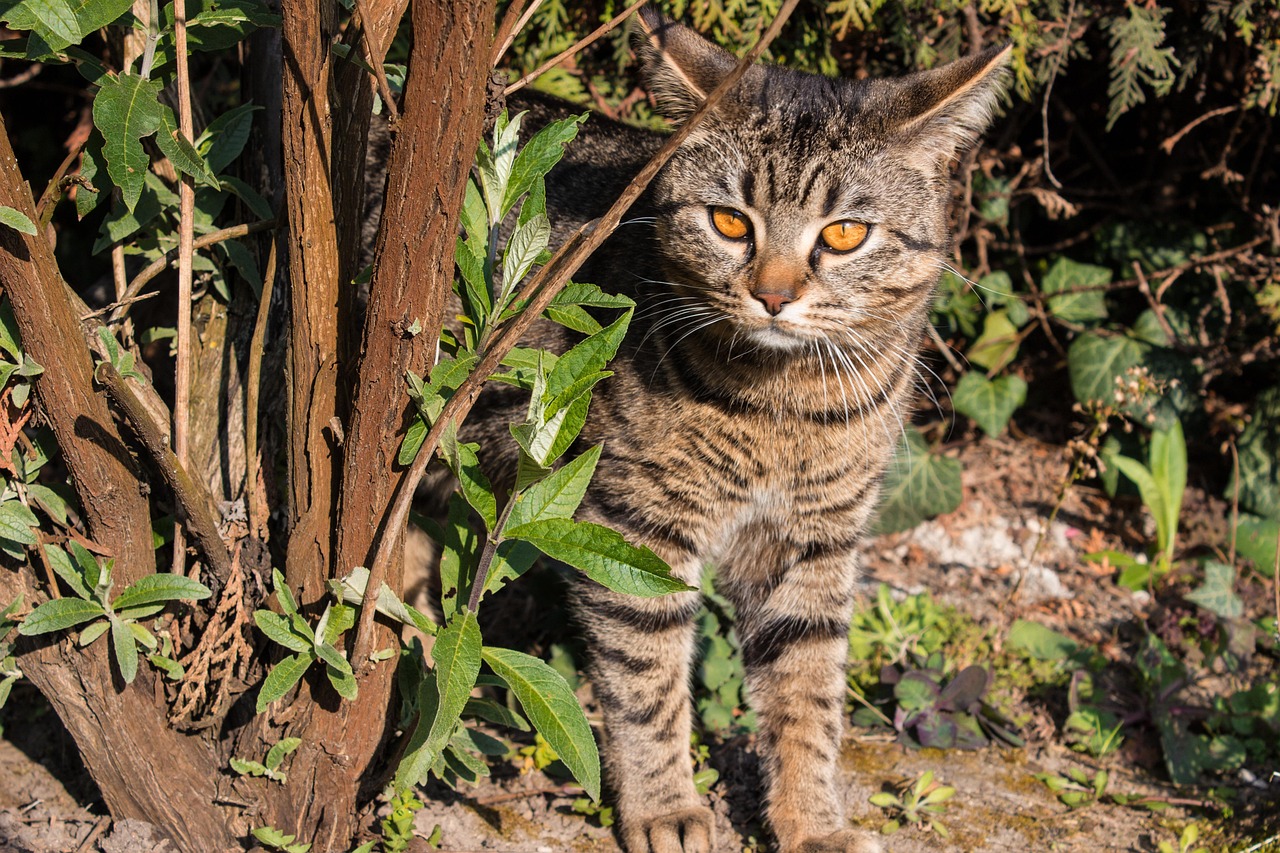
Every cat demonstrates a unique level of curiosity that influences its behavior significantly. This curiosity is essential as it drives felines to explore their surroundings, paving the way for both mental and physical activities. When cats explore, they engage with their environment, finding new scent trails or hidden toys. This natural curiosity can lead to positive learning experiences, as cats discover different stimuli that enhance their cognitive abilities. Without the challenges offered by their environment, cats may struggle with boredom and stress. Therefore, cultivating curiosity is paramount in ensuring our feline companions remain stimulated and happy. A stimulating environment includes various elements, such as scratching posts, climbing trees, and interactive toys. Providing these can significantly benefit a cat’s mental health. Moreover, engaging the cat in play can heighten their curiosity, leading to an increased desire for exploration. Owners should leverage this natural instinct to enrich the living space for their pet. By doing so, they can foster not just happiness, but also a healthier mindset for their beloved feline friends. Curiosity is an inherent trait that we should nurture to improve our cats’ quality of life.
Curiosity manifests in various ways, providing multiple opportunities for enrichment. For instance, playtime can come in many forms, from chasing laser pointers to interactive puzzle toys. These activities cleverly mimic hunting behaviors, further engaging a cat’s instincts. When cats are rewarded for their exploration, they are more likely to repeat that behavior. This reinforcement can lead to improved problem-solving skills, enhancing their adaptability to new environments or situations. Additionally, observing a curious cat at play reveals their deep need for mental stimulation, revealing how fundamental it is for their overall wellbeing. Enrichment should also encompass sensory experiences, such as different surfaces to walk on, varied textures in toys, and diverse sounds within their environment. Keeping the cat’s environment dynamic helps avoid monotony, encouraging continuous exploration. A well-rounded approach to stimulate curiosity can significantly impact their happiness. Regularly rotate toys and introduce new challenges to maintain interest. A cat’s mental health is often linked directly to this exploration and stimulation. Ultimately, understanding and catering to these needs allows pet owners to create an enriching atmosphere conducive to a cat’s health.
Many studies illustrate the powerful connection between curiosity and mental stimulation in cats. These studies frequently highlight how intelligent and playful interactions can improve their mental capabilities and health. A well-stimulated cat shows reduced behavioral issues, such as scratching and excessive meowing. Understanding these connections is vital for responsible cat ownership, indicating that curiosity should not merely be observed but actively encouraged. Research demonstrates that cognitive stimulation can prevent cognitive decline as felines age. Gradually introducing more complex toys and puzzles can help keep their minds sharp. Furthermore, social interaction with humans or other pets enhances learning and curiosity. Allowing cats to observe varied environments during car trips or outdoor walks also provides invaluable sensory stimulation. All these factors contribute to enhancing a cat’s life experience and ensuring complete well-being. Understanding this relationship allows owners to foster an environment of curiosity, effectively transforming home life into an engaging adventure. Simultaneously, it emphasizes the importance of taking time each day specifically for interactive play. Overall, mental stimulation is a necessary component for any curious cat, while fostering happiness and preventing behavioral issues.
Creating Enrichment Through Exploration
To effectively promote cat curiosity, you must create an enriched environment that drives exploration. One approach is to utilize vertical space extensively, allowing cats to perch and survey their surroundings. Cats enjoy climbing, and with dedicated shelves and cat trees, they gain both physical and mental stimulation. The more you stimulate their environment, the more eager they become to explore. Including hiding spots allows cats to indulge in their hunting instincts, encouraging them to discover and explore those hidden areas. Moreover, safe outdoor access can drastically improve curiosity levels. Whether through a catio or supervised outings, outdoor exploration offers an entirely new world of sights, sounds, and scents. Regularly changing the layout of furniture or moving toys around invigorates their interest. Engage in activities that require them to think, like food-dispensing toys, which can stimulate their problem-solving skills. By combining all these elements, cat owners can create a stimulating environment that caters to their pet’s curiosity. Happy cats thrive on exploration and mental challenges, so it’s essential to implement enriching techniques into their daily routine. In turn, this will lead to a more balanced and mentally healthy feline.
Another instrumental factor impacting cat curiosity is the theory of safety within their environment. If a cat perceives the environment as safe, they are more likely to explore without hesitation. Feline curiosity can get significantly hindered by threats, such as loud noises or aggressive animals. Creating a sanctuary for your cat can boost their willingness to explore. Ensure that they have access to quiet spaces where they can retreat when feeling overwhelmed. Deepening security also includes establishing predictable routines, which enable cats to feel safer. When they recognize their environment and can predict activities, curiosity is likely to flourish. Furthermore, decluttering areas within the house can enhance exploration possibilities; this minimizes distractions and gives them more options to explore. New items must be introduced slowly to avoid overwhelming them. Environmental enrichment provides numerous experiences that sharpen their curiosity. By gradually easing them into new experiences, they learn to adapt and explore. Facilitating such a secured space allows greater curiosity to emerge. The harmony between safety and curiosity can create an ideal balance, enriching the cat’s atmosphere and expanding their exploration opportunities.
Understanding their Needs for Optimal Exploration
A holistic understanding of feline behavior emphasizes the need for stimulation derived from curiosity. Your cat’s exploration instinct often mirrors their social needs as well. The presence of other pets can influence their willingness to explore different spaces. For indoor cats, introducing them to various stimuli can excite their senses. Experimenting with scent trails using catnip or enticing food can generate excitement and incite exploration. Rotating toys every few days maintains their interest, so they are constantly wondering about their next discovery. If owners engage in bonding playtime, it deepens the interaction and enhances emotional well-being. Given that cats are naturally curious, enriching their surroundings can significantly improve their lives. Enrichment is achieved not only through play but also through interactive games like hide-and-seek. Setting aside dedicated time for these activities fosters connection while satisfying their natural instincts. Social time additionally allows exploration in a safe context, building trust. Creating an approachable environment invites cats to experience a variety of stimuli. Cultivating curiosity thus becomes essential for nurturing mental stimulation in our beloved felines.
Finally, understanding the critical nature of curiosity in cats can lead to healthier, happier lives. By fostering curiosity through environmental enrichment, owners can effectively combat boredom and its associated behavioral problems. Cats thrive on mental challenges, and showcasing their instincts should be prioritized in our daily interactions. It’s vital to remember that highly curious cats present unique challenges. They often require regular stimulation or fierce determination in seeking out new experiences. Providing these experiences strengthens the bond between pet and owner, ensuring a fulfilling relationship. In addition, recognizing a cat’s particular interests can also enhance opportunities for personal connection. Some cats love to watch nature documentaries, while others prefer interactive or more kinetic activities. Tailoring activities according to individual preferences encourages exploration. Building the connection also means understanding your cat’s limits, ensuring activities are engaging but not overwhelming. Therefore, promoting curiosity is twofold—it requires encouraging exploration while providing a solid foundation of safety. In nurturing curiosity, you nurture your cat’s overall well-being, leading to a happier, healthier feline and a fulfilling human-animal bond.