
Using Grooming Tools to Keep Breeding Cats Healthy
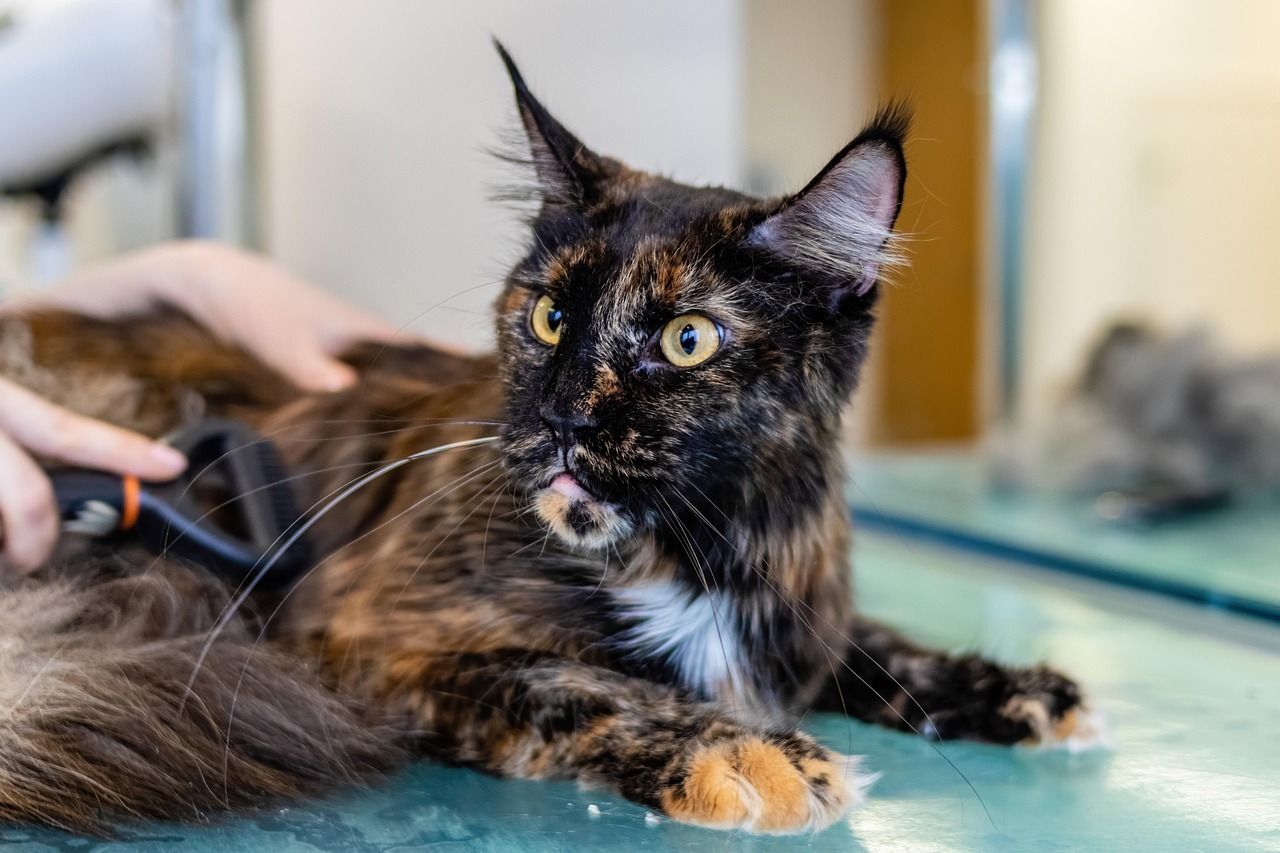
Ensuring the health of breeding cats involves a variety of grooming tools that play a crucial role in their upkeep. One essential tool is the slicker brush, designed to effectively remove loose fur and tangles. Breeding cats, especially those with long fur, can easily develop mats that can lead to skin issues if left untreated. Regular use of a slicker brush can help maintain a healthy coat while preventing any skin irritation. Additionally, investing in high-quality grooming scissors can enable breeders to trim the fur around sensitive areas, ensuring cats remain comfortable and hygienic. These scissors allow precise cutting and minimize the risk of injury due to blunt blades. Furthermore, a good grooming kit will also include nail clippers specifically designed for cats. Regular nail trimming is vital to prevent overgrowth and potential injury to both the cat and its surroundings. Finally, a grooming glove can provide a gentle way to bond with cats while effectively removing fur and dander. Not only does it help in grooming, but it also offers a way to check for any irregularities in a cat’s skin or coat during the process.
In addition to brushes, there are various other grooming tools breeders should acquire to keep their cats healthy during breeding. An essential item is a quality comb, which helps to separate knots and distribute natural oils across the coat effectively. Combing can stimulate the skin, promoting overall coat health. A metal comb is preferable, as it lasts longer and can provide more effective grooming. Another invaluable tool is the undercoat rake, especially for cats with thick undercoats. This rake can help remove dead hair without damaging the top layer, significantly reducing shedding and skin problems. Moreover, a cat-specific shampoo is crucial for maintaining cleanliness and hygiene. Breeding cats may require occasional baths to remove grime and allergens, so having a gentle formula is advisable. It is vital to avoid any human shampoos, as these can upset a cat’s skin pH. Lastly, a portable grooming table can enhance the grooming experience for both the breeder and the cats, allowing for a secure and comfortable place to groom. These additional tools can greatly improve the well-being and appearance of breeding cats, ensuring a healthier life and happier environment.
Benefits of Regular Grooming
The benefits of regular grooming for breeding cats are numerous and significant. Firstly, grooming not only keeps a cat’s fur looking its best but also helps in the detection of any skin problems. Frequent handling of cats during grooming sessions enables breeders to spot issues like lumps, redness, or even parasites early on. Early detection often means more effective treatment options, ensuring a healthy breeding program. Additionally, grooming stimulates blood circulation and can contribute to healthier skin and coat. The act of grooming can be soothing for cats, provided it is done gently and patiently. Building a positive grooming routine will help in developing a trusting relationship between the breeder and the cats. Moreover, regular grooming can reduce the amount of fur around the house, making it easier to manage shedding. For breeders who have multiple cats, maintaining a clean environment is essential for both health and comfort. This effort not only reduces allergens in the air but also keeps things tidy. In conclusion, regular grooming practices offer benefits that extend far beyond aesthetics, contributing to the overall well-being of breeding cats.
In choosing grooming tools, ensuring they are suitable for the cat’s specific breed and coat type is essential. Different breeds have distinct grooming needs, and breeders should research the best tools for each breed in their care. For example, Persian or Maine Coon cats typically require much more grooming than Siamese cats due to their long fur. Therefore, breeders may need specialized tools like de-shedding brushes designed for particularly thick coats. Similarly, cats with short hair often require fewer grooming sessions, but it remains important to remove loose fur and debris. Tailoring the grooming routine and tools to each cat’s needs will ensure effective results while making the process smoother. Moreover, invest in ergonomic tools that promote comfort during use. Grooming can be labor-intensive, and having tools that facilitate ease of use will benefit breeders in the long term. Selecting products with comfortable handles and lightweight design can help prevent fatigue during extended grooming sessions. Ultimately, careful selection of grooming tools can greatly enhance the experience for both the breeders and the cats they care for, leading to healthier, happier feline companions.
Creating a Grooming Schedule
Establishing and adhering to a grooming schedule is essential for maintaining the health of breeding cats. A structured routine allows breeders to monitor their cats’ grooming needs regularly, ensuring no critical areas are overlooked. For long-haired breeds, grooming sessions should ideally occur daily to prevent matting; for short-haired breeds, once a week may suffice. Creating a calendar can help track grooming sessions and remind breeders when each cat requires attention. Additionally, a consistent routine instills familiarity and trust in the cats, helping them relax during grooming. When establishing this schedule, breeders should consider external factors such as seasonal changes. During shedding seasons, grooming might need to be ramped up to minimize fur throughout the home. Furthermore, note that some cats may not always enjoy grooming, so patience and positive reinforcement through treats or affection can make the process smoother. Including these elements into the grooming schedule will help create a pleasant experience, leading to a healthier relationship between the breeders and their cats. In this way, grooming becomes not just a chore, but an opportunity for bonding and monitoring overall health as well.
Another important aspect of maintaining a breeding cat’s health through grooming is the use of appropriate cleaning supplies. While grooming focuses largely on brushing and combing, it’s essential to also consider the hygiene of the ears, teeth, and paws. Breeding cats often require extra attention to these areas, as poor hygiene can lead to health issues. Breeders should have quality ear cleaners and cotton pads on hand to keep ears clean and free of bacteria, dirt, or wax buildup. Regular ear checks can prevent infections and ensure comfort. Additionally, dental hygiene is crucial; incorporating dental wipes or brushes into the grooming routine will help maintain oral health. Cats can suffer from dental diseases, which can significantly impact their overall health. Furthermore, cleaning between the paw pads is equally important, especially in outdoor breeding cats. Dirt, debris, or even allergens can accumulate in this area, leading to potential infections. Lastly, using gentle wipes specifically designed for cats can help maintain overall hygiene in these often-neglected areas. Grooming should thus extend beyond the coat, as overall hygiene plays a critical role in ensuring breeding cats remain healthy.
Conclusion: Commitment to Cat Health
Ultimately, investing time and resources into grooming tools and routines for breeding cats demonstrates a commitment to their well-being. By prioritizing grooming, breeders can ensure healthier, happier kittens while reinforcing a strong bond with their adult cats. The use of appropriate tools tailored to specific cat breeds facilitates effective grooming practices while addressing individual needs. The benefits go beyond aesthetics, positively impacting the cat’s health, behavior, and comfort. Furthermore, routine grooming sessions can serve as opportunities for monitoring overall health and detecting any potential issues. This proactive approach can significantly contribute to a successful breeding program, as holistic care encompasses every aspect of a cat’s life. As a result, breeders are more equipped to provide thriving environments for their cats, ultimately benefiting future generations of feline companions. Consistency and patience in grooming will foster trust and connection, enriching the lives of both the breeder and the cats. By embracing these practices outlined in this article, breeders can look forward to nurturing healthy, beautiful cats for generations to come.
As a final note, it’s important to stay updated with current grooming trends and techniques in cat care. Engaging with fellow breeders and attending workshops can expand knowledge and improve practices. Sharing experiences and learning together can lead to discovering innovative grooming tools or methods that yield better results. In a world where cat breeding evolves with changing needs and preferences, adapting grooming strategies is essential for long-term success. Breeders who continuously educate themselves demonstrate a sincere dedication to their craft. Furthermore, always ensure that grooming products are safe, effective, and suitable for cats. Researching products or seeking advice from veterinarians can guide the choice of grooming supplies. Ultimately, every moment spent grooming contributes to the overall health and happiness of breeding cats, fostering a nurturing environment for them. By implementing the right tools, techniques, and schedules, breeders can create positive experiences for themselves and their cats, making grooming not just a routine chore, but a joyful bonding activity.