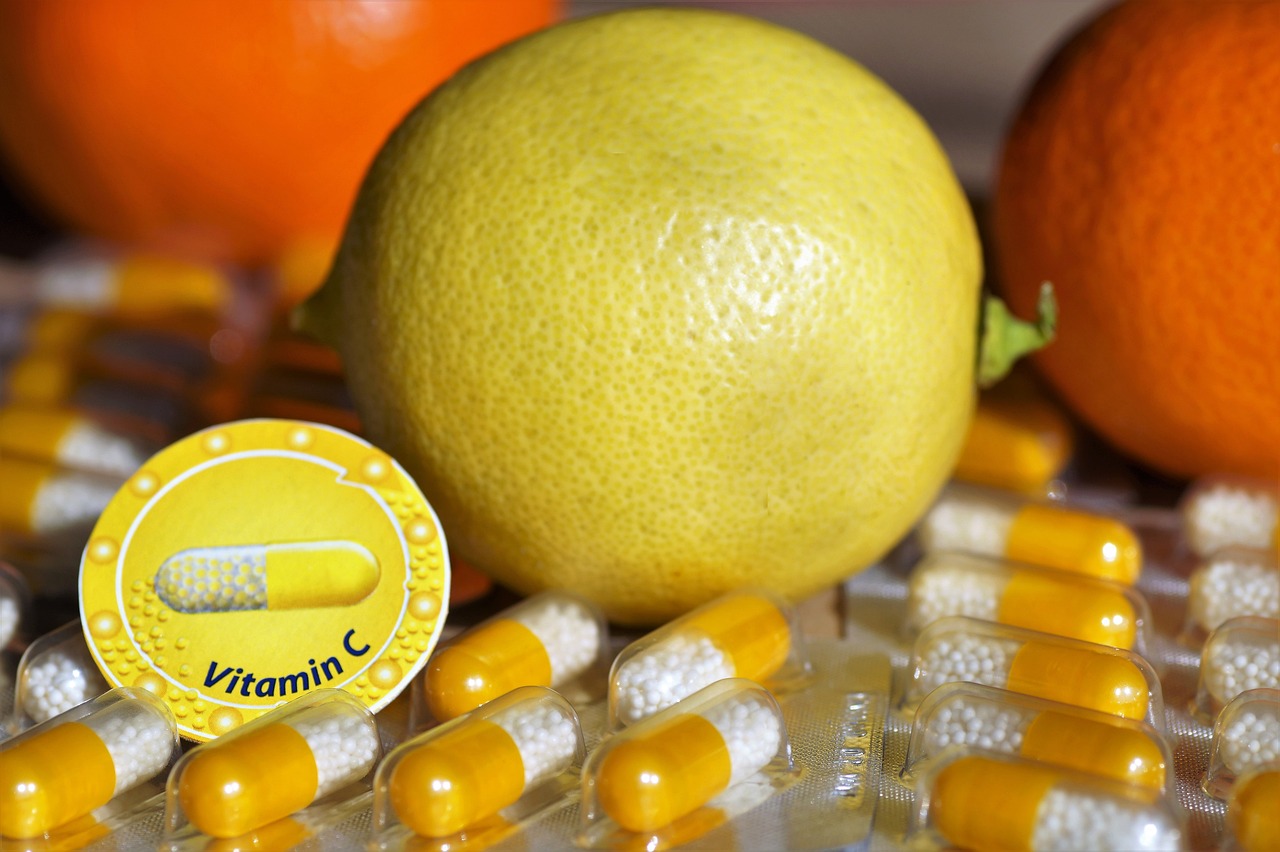

Vitamin C and Immune Support in Puppies
Vitamin C plays a crucial role in supporting the immune system of puppies, enhancing their overall health. As puppies grow, their immune systems are developing rapidly, making them susceptible to various infections and diseases. It is essential to provide them with adequate nutrition that includes vital vitamins, such as Vitamin C. This vitamin is a powerful antioxidant that helps neutralize harmful free radicals in the body. It supports white blood cell function, which is responsible for fighting off pathogens. Vitamin C also aids in the absorption of iron, which is critical for puppies’ energy and growth. While most dogs can synthesize Vitamin C on their own, puppies may need extra supplementation due to their developing bodies. Along with Vitamin C, a balanced diet should include proteins, healthy fats, and carbohydrates to maintain optimal health. You can find Vitamin C supplements developed specifically for dogs in pet stores or online. Always consult a veterinarian before starting any new supplements to ensure what is best for your puppy’s health and growth. Healthy puppies tend to grow strong and resilient, making proper nutrition paramount.
Puppies, just like human infants, go through various growth stages, and their dietary needs change accordingly. During the early stages of life, their bodies require a higher amount of nutrients to support their rapid development. Vitamin C is especially beneficial during these early months as it helps to build a robust immune system. Since the immune response is paramount to their well-being, ensuring they receive adequate Vitamin C and other essential nutrients can make a significant difference. Foods rich in Vitamin C include fruits and vegetables like kale, broccoli, and sweet potatoes. However, since many dogs are picky eaters, you might need to incorporate supplements to ensure they meet their vitamin needs. It’s important to provide these vitamins in moderation; excessive Vitamin C can lead to gastrointestinal upset. Monitoring your puppy’s reaction to new foods or supplements is essential to identify any allergies or intolerances. Additionally, discussing any changes in their diet with your veterinarian can give you peace of mind. Your furbaby’s health is a top priority, ensuring they have the tools they need to thrive in every puppy growth stage.
Sources of Vitamin C for Puppies
Providing your puppy with the right sources of Vitamin C can enhance their overall health. While some dog foods are formulated with essential vitamins, you can often find higher amounts of Vitamin C in fresh fruits and vegetables. Options like strawberries, blueberries, and carrots make excellent snacks, and they contain beneficial nutrients in addition to Vitamin C. Besides these, there are also various commercial supplements available on the market designed specifically for puppies. However, not all products are created equal, so it’s essential to choose reputable brands that ensure the quality and safety of their products. Before introducing any new food or supplements, it’s a good idea to consult your veterinarian for tailored advice. Also, consider preparing home-cooked meals with vitamin-rich ingredients tailored to your puppy’s specific needs. This could include purees of safe fruits with added water for hydration. A balanced diet goes beyond just Vitamin C; it should also include proteins, omegas, and other vitamins. Keeping a close watch on your puppy’s reactions will help ensure they are receiving the nutrition they need for proper growth and development.
As your puppy matures from infancy into adulthood, their vitamin needs may evolve as well. While Vitamin C remains important, it is only one piece of a larger puzzle. Puppies require a varied diet that meets their energy needs as they grow. Be attentive to their reactions to different foods as some may cause allergies. Look out for signs like scratching, digestive issues, or behavioral changes when adding new foods or supplements. A well-rounded diet will include essential fatty acids and proteins vital for energy and muscle development. In addition to proper nutrition, maintaining a healthy lifestyle through regular exercise contributes to a strong immune system. Puppies thrive on playtime, offering excellent opportunities for socialization and physical activity, both necessary for their immunological health. Pairing a nutritious diet with regular veterinary checkups will help monitor your puppy’s health trajectory. Early detection of any deficiencies or potential health issues will allow you to address them promptly. Ultimately, ensuring a healthy foundation in puppyhood will help cultivate a robust immune system and happy, spirited adult dog.
Signs of Vitamin C Deficiency
Identifying vitamin deficiencies early is crucial for maintaining your puppy’s health. A deficiency in Vitamin C can manifest in several ways, presenting symptoms like lethargy, poor appetite, and slow healing of wounds. Puppies might also develop dental issues due to weakened gums, making regular dental care vital. Frequent colds or respiratory infections may also indicate an insufficient immune response, prompting the need for dietary evaluation. Other signs include joint pain and swelling, indicating potential developmental issues. If you notice any of these symptoms, it’s important to consult a veterinarian as soon as possible. Diagnosing deficiencies early can make a significant difference in treatment effectiveness. Your vet may recommend blood tests to evaluate nutrient levels accurately. Based on these assessments, they will tailor recommendations that could involve dietary changes, supplements, or lifestyle adjustments. Early intervention supports your puppy’s health, ensuring they grow into strong adults. Remember to maintain a balanced, nutritious diet for your puppy, as prevention is always better than treatment. This ensures a happy and healthy puppy, ready to face the world with a robust immune system.
In conclusion, Vitamin C plays a significant role in promoting the health of puppies during their formative growth stages. This vitamin is not just a supplement; it’s an essential element in their daily diet that contributes to immune support and overall health. Ensuring a diverse array of nutrients encourages robust organ and bodily functions. Good nutrition includes high-quality proteins, healthy fats, and sufficient vitamins and minerals that support their rapid growth and adaptability. While it’s advisable to consult your veterinarian regularly about dietary needs, you can help by providing a balanced diet rich in essential nutrients. Including fruits and vegetables and possibly high-quality supplements will ensure that your puppy receives everything they need for growth. Be consistent in evaluating your puppy for any signs of nutrient deficiency, and being proactive in monitoring their health can pay off significantly. A well-nourished puppy is more likely to thrive and develop into a healthy adult dog. By understanding the importance of Vitamin C and a holistic approach to nutrition, you will be better equipped to support your precious furbaby on their development journey.
Final Thoughts on Puppy Nutrition
Nurturing a puppy requires informed choices, especially concerning their nutrition. Every nutrient plays a vital role, and Vitamin C is no exception. By ensuring your puppy receives adequate Vitamin C, you help them build a strong immune system, supporting their growth and vitality. Opting for natural sources of Vitamin C, such as fruits and vegetables, as well as considering supplements when necessary enhances their diet. Always keep a vigilant eye on your puppy’s health, noting any changes that may indicate dietary concerns. An optimal nutritional approach will foster not only healthy growth but also lifelong wellness. Engaging your veterinarian in discussions about your puppy’s food, growth, and health will provide additional insights and reassurance. Puppies are not just pets; they are family members that require nurturing care to grow into healthy dogs. Feeding them with high-quality, nutrient-rich foods lays a solid foundation for their future health. As they mature, their dietary needs will evolve, so remain adaptable. Your puppy depends on you to make educated choices about their nutrition and care.
With the right care and nutrition, you can help your puppy live a long, vibrant life. Giving your puppy an optimal diet enriched with Vitamin C is essential for a thriving healthier immune system. Puppies will grow into strong, happy adult dogs when fostering a strong nutritional foundation. As always, consult your veterinarian for the most accurate guidance tailored to your puppy’s specific needs, ensuring they receive the nutrients necessary for optimal growth and health. A healthy puppy today certainly means an active and blissful companion in the future. Taking proactive steps to monitor their well-being and dietary intake encourages a robust and enjoyable life for your furry friend. Creating bonds through feeding and caring will surely lead to a fulfilling and lasting relationship. The journey through your puppy’s formative years is rewarding, filled with moments of joy, love, and growth. Embrace this time, as it molds the character and spirit of your dog. With love and proper nutrition, you’ll set the stage for a lifetime of happiness with your canine companion.