
Natural Remedies and Supplements to Support Dogs with Noise Anxiety
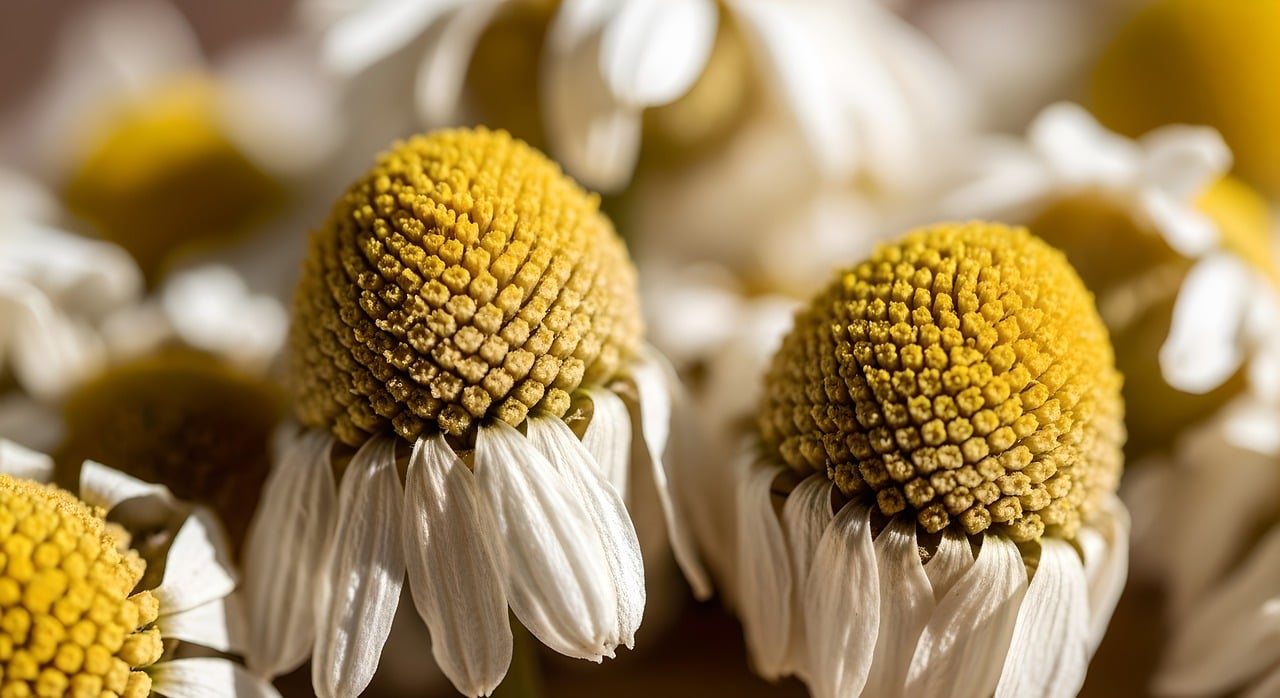
Noise sensitivity is a common issue among dogs, resulting in anxiety during thunderstorms or fireworks. Many dogs exhibit stress due to audio stimuli, which may lead to dangerous behavior. To combat this issue, owners can explore natural remedies and supplements. Various options are available that can help soothe anxiety without harmful side effects. One popular approach involves using herbal remedies such as chamomile, which is known for its calming properties. Additionally, valerian root can also work wonders, providing a natural approach to anxiety management. For some pet owners, CBD oil has emerged as a safe supplement choice to alleviate stress and anxiety in dogs, making it a notable consideration. Furthermore, certain nutritional supplements such as omega-3 fatty acids can improve overall brain function and reduce anxiety symptoms. Overall, the goal is to explore various options that align with the dog’s unique needs while promoting their well-being. Consult with a veterinarian before introducing any new remedy or supplement to ensure it is a good fit for the dog’s health condition and individual preferences.
Implementing a consistent daily routine is essential when managing a dog’s noise anxiety. Establishing such a regimen might include structured exercise and predictable feeding times. Physical activity is a significant factor in reducing anxiety levels, with walks and playtime being crucial. Engaging in these activities helps to release built-up energy, making the dog calmer throughout the day. Beyond exercise, mental stimulation through puzzle toys is equally beneficial. Providing dogs with brain-challenging tasks can distract them during high-anxiety situations like loud noises. Create new routines that incorporate low-impact training exercises designed to bolster their confidence against sounds. Additionally, exposure therapy can be a gradual process that helps desensitize your dog to frightening noises. Start with low-level sounds and gradually increase the volume over time, rewarding your dog for remaining calm. This slow build-up enables dogs to associate sounds with positive experiences. Ultimately, combining routine with calming supplements can create a robust plan tailored to your pet’s needs, promoting emotional balance. Understanding your dog’s behavior through these methods helps improve their quality of life while managing anxiety around noises.
Essential Oils and Their Benefits
Essential oils are natural extracts that many owners use to assist dogs with noise anxiety. Aromatherapy has become popular for calming anxious pets during stressful situations. Specific essential oils have unique benefits, with lavender being a well-known choice for its soothing properties. It can alleviate nervousness and help dogs feel more at ease amid stressful auditory environments. Another oil, chamomile, yields similar calming effects, making it a great companion for lavender. Before using essential oils, it’s vital to ensure they are safe for pets and properly diluted. A diffuser can effectively disperse calming scents throughout the room when dealing with anxious dogs. However, remember that some oils may be toxic to dogs, so always consult with a veterinarian before use. Additionally, consider creating a safe sanctuary for your dog, adorned with calming scents, where they can retreat during distressing noises. This serene space can have treats, familiar toys, and soft bedding to enhance comfort levels. Together, essential oils and a peaceful environment create an effective remedy for dogs suffering from anxiety caused by loud noises.
When addressing canine noise anxiety, the integration of massage therapy can be beneficial. Experts recommend gentle petting and massage to heighten relaxation levels and alleviate tension. The act of massage promotes blood circulation while releasing endorphins that significantly improve a dog’s psychological state. This physical touch creates a bonding experience between the owner and pet, reinforcing trust while calming frazzled nerves. Specific techniques, such as circular strokes on the dog’s back or gentle pressure on specific pressure points, focus on relaxation. Notably, offering soothing words and maintaining a serene atmosphere during massages contributes to the overall calming effect. Ultimately, blending massage with other natural remedies can yield remarkable results for managing noise anxiety. In addition, education on canine behavior significantly aids owners in identifying anxiety triggers, thereby allowing focused training sessions to acclimate pets. Viewing anxiety as an emotional response rather than a behavioral issue helps owners adopt a compassionate approach. Thus, understanding the importance of addressing physical, emotional, and environmental factors enables the development of an effective strategy for noise-sensitive dogs.
Rescue Remedy and Its Uses
Rescue Remedy is a popular homeopathic remedy designed to alleviate acute stress and anxiety in both humans and animals. Various ingredients work together to create a calming effect, making it ideal during loud events, such as fireworks or thunderstorms. This product can help alleviate symptoms of stress, including hyperactivity and nervous behavior. Many dog owners report positive results when using Rescue Remedy for their anxious pets. It is wise to administer this remedy ahead of stressful situations for optimal effectiveness. Ensure to follow the instructions carefully, considering the dog’s weight when determining the dosage. Another benefit of this remedy is its natural composition, offering peace of mind to pet owners who prefer holistic options. It serves as a gentle approach to managing anxiety without the use of pharmaceutical medications. Additionally, incorporating this remedy alongside routine training practices can bolster a dog’s confidence. Overall, Rescue Remedy is a valuable addition to any dog owner’s toolkit when navigating the challenges posed by noise anxiety. In conclusion, exploring natural remedies like Rescue Remedy fosters better emotional health for noise-sensitive dogs.
A dog’s nutritional needs play a considerable role in their overall mental health. A well-balanced diet significantly affects energy levels and anxiety dispositions. Incorporating whole foods rich in vitamins and minerals can improve their response to stress-inducing situations. Foods high in omega-3 fatty acids, such as salmon or flaxseeds, contribute to positive mental clarity while lowering anxiety levels. Furthermore, probiotics and prebiotics may aid digestion and enhance mood stability through gut health. When preparing meals for anxious dogs, consider raw diets or high-quality kibble that contain minimal fillers and preservatives. Supplements like L-theanine can help promote relaxation and improve focus. Additionally, ensuring the dog receives enough hydration is essential for well-being, particularly during stressful events. Creating a nourishing meal plan tailored to your dog’s specific needs may lead to substantial improvements in handling noise-related anxieties. Assessing their diet’s impact on emotional well-being encourages better engagement between owners and their pets. In sum, understanding dietary influences can support a comprehensive approach to managing a dog’s noise sensitivity through proper nutrition.
Creating a Safe Space
Developing a safe haven for dogs suffering from noise anxiety is crucial for their emotional well-being. This special area should provide comfort and security amidst stressful auditory environments. Owners can designate a cozy corner or a separate room layered with soft bedding, soothing blankets, and familiar toys. Adding items that provide sensory experiences, like favorite chew toys or calming scents, enhances relaxation. It’s important to ensure that this space is well-insulated from loud external noises whenever possible. This way, the dogs have a refuge to retreat to during distressing situations such as storms or fireworks. Once the space is created, it should be treated as a positive environment, associating it with comfortable experiences. Engaging in daily activities, such as training or playtime inside this area, reinforces safety and security. Owners should also accompany their dogs to this space during anxiety-inducing events, offering comfort and reassurance. Gradually, dogs can learn to see this area as an emotional sanctuary. Ultimately, fostering safety promotes a positive psychological response to noise sensitivity, making stress management easier.
Incorporating these natural remedies and approaches can foster a holistic strategy for managing your dog’s noise anxiety. Engaging in proper training, nutrition, and using supplements taper down symptoms of anxiety effectively. Building a comprehensive plan tailored to individual dogs, considering their specific triggers and emotional responses, creates a situation where owners can ensure well-being. Remember that consulting a veterinarian is crucial to combine traditional and natural methods responsibly. Open communication with a pet health professional allows owners to explore further beneficial strategies or interventions. Many dogs can thrive using these methods alongside behavioral training. Ultimately, forming this partnership between the owner and the pet creates mutual understanding and positive relationships. Addressing noise sensitivity through natural remedies instills trust and promotes healthy coping mechanisms for dogs. By creating a structured environment where dogs feel safe and secure, owners can also reduce their stress levels, enhancing their overall connection. The journey toward alleviating noise anxiety is ongoing, requiring patience and commitment. With time and consistent practices, improvements can be made for a happier and healthier life, ensuring a more peaceful existence for both dogs and their families.