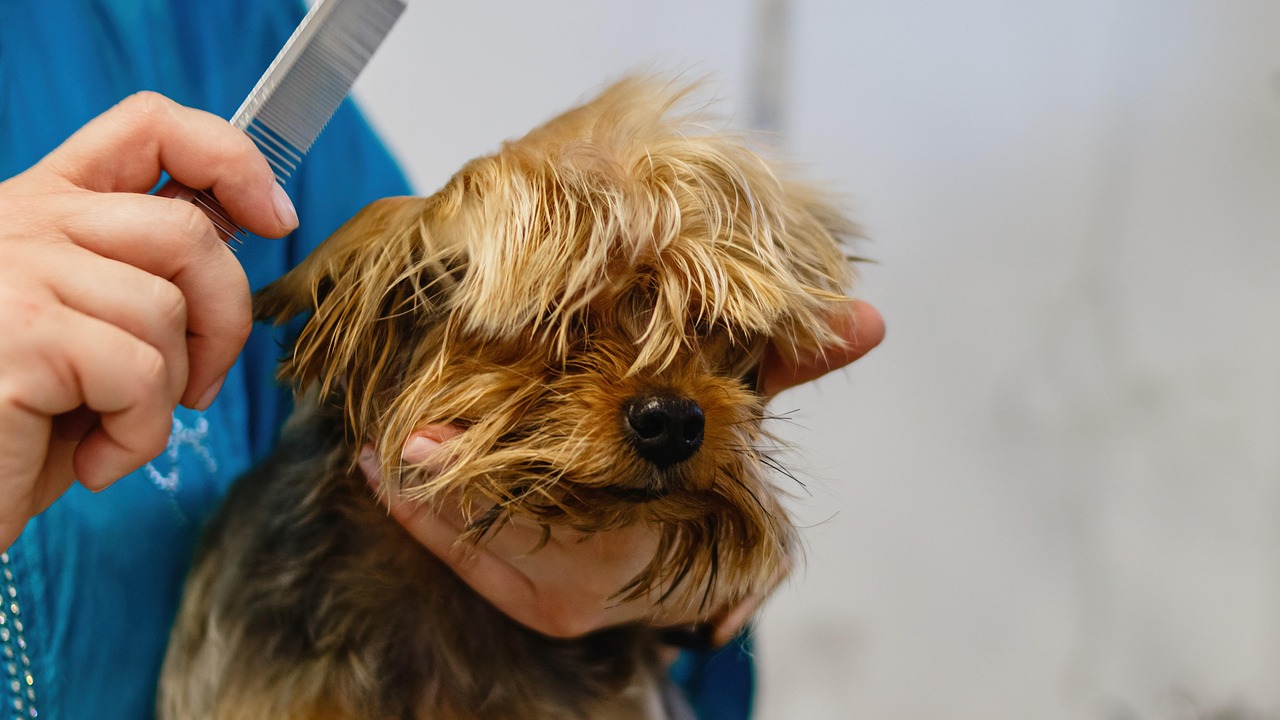

Grooming Tool Safety Tips for Dog Owners
As a responsible dog owner, ensuring the safety of your dog during grooming is essential. Using the right tools and equipment alleviates stress for both you and your pet. Begin with a thorough check of the tools. Ensure that clippers, scissors, and brushes are clean and free from rust, which can harm your dog. Maintaining cleanliness helps avoid infections. You should also inspect blades for dullness. Dull blades can result in pulling or skin scratches. Frequent sharpening prolongs the life of your equipment. Proper usage of tools is equally vital. For instance, avoid excessive force when using clippers; any rough handling may hurt your dog. Always work in a well-lit area. A light source allows you to see what you are doing effectively, reducing the risk of accidents. Have a first aid kit on hand, including antiseptic ointments and bandages. Familiarize yourself with the specific needs and sensitivities of your dog breed. Understanding these nuances can significantly enhance your grooming experience and your dog’s comfort during the process.
Choosing the Right Tools for Safety
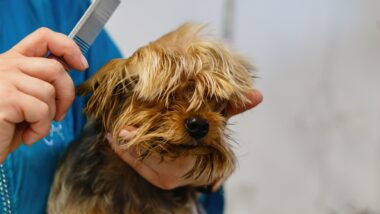
When selecting grooming tools, prioritize safety features along with functionality. Look for ergonomic designs that reduce strain on your hands and help maintain a firm grip. A good handle minimizes accidents and allows precision. Pay attention to materials as well. Opt for hypoallergenic and non-slip materials to ensure grip stability even when wet. Clippers with adjustable speeds provide better control over cutting, especially for sensitive areas. The size of your tools matters too; ensure they are suitable for your dog’s breed and coat type to avoid causing unnecessary stress. Brushes with rounded tips gently detangle fur without irritating the skin. Additionally, consider investing in electric tools that come with safety guards to prevent injury. This will not only protect your dog but also prolong the durability of your tools. Regularly replace worn-out grooming equipment. Over time, instruments lose effectiveness and can cause discomfort. A well-cared-for grooming kit promotes a safer environment for your dog and allows you to groom with confidence, enhancing the overall experience for both you and your furry friend.
Always groom your dog in a calm environment to ensure both safety and comfort. This can significantly reduce anxiety for both you and your dog, enabling a smoother grooming session. Create a designated area free from distractions, ensuring that your furry friend feels secure. This prepares them mentally for grooming. Start slowly, allowing your dog to familiarize themselves with the tools before usage. Introduce the tools gradually, showing them the equipment. Using treats and praise can encourage your dog to be more cooperative throughout the process. If your dog shows fear or anxiety, pause and comfort them. Patience is key in the grooming process, helping build trust over time. Keep grooming sessions short initially to avoid overwhelming your pet. Over time, gradually extend the duration as your dog becomes more comfortable. Remember to take breaks if necessary; both you and your dog need rest. Monitor your dog’s body language to ensure they are relaxed. Recognizing signs of distress will allow you to adapt your approach and maintain a positive grooming experience. The goal is to create a routine that becomes enjoyable.
Advancing Grooming Techniques for Safety
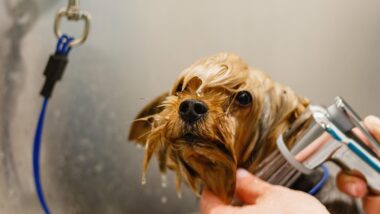
Adopting advanced grooming techniques ensures safety for you and your dog during the grooming process. Understanding how to handle tools correctly will reduce the chances of making mistakes. For brushing, use strokes that follow the natural direction of hair growth, minimizing discomfort. Always be cautious around sensitive areas, such as the face, ears, and paws. Utilize grooming tables with restraints only if your dog is particularly squirmy. This technique aids in keeping them steady without inducing panic. Consider attending professional grooming workshops to learn effective techniques. Receiving training on various methods elevates your grooming skills and anchors your knowledge firmly in safety practices. Invest in some online courses tailored to grooming to gain access to expert tips. Videos can be particularly useful for visual learners wanting to enhance their skills. Always prioritize both your safety and your dog’s while grooming. Utilizing the right methods not only helps in keeping your pet calm and safe but can also yield better results overall. For instance, using a gentle bathing technique with slip-proof mats in the bathing area prevents slips and falls. Start early to help them get accustomed; the tricks you learn can significantly change your grooming experience.
Maintaining your grooming equipment is crucial for the safety of your dog. Regular cleaning of clippers, scissors, and brushes prevents the buildup of dirt and grime. This hygiene ensures that your tools do not transfer bacteria or infections to your pet. When finished grooming, wipe down tools with disinfectant wipes. Try to sanitize blades and attachments frequently, particularly after using them on multiple dogs. Storing your grooming tools properly also extends their lifespan. Invest in a durable storage solution, such as a toolbox or caddy, to protect them from damage. Keep tools out of your dog’s reach when not in use. Educating anyone else who uses your grooming equipment on proper usage is equally important. Create guidelines for friends or family members to follow to maintain safety during grooming sessions. It is also wise to label your tools for specific purposes to avoid confusion. Proper labeling reduces the likelihood of using an incorrect tool on your dog, leading to injury. An organized and well-maintained grooming space not only promotes efficiency but also enhances the safety and comfort of your pet, establishing a rewarding grooming routine.
Understanding Your Dog’s Behavior
Your dog’s behavior during grooming often reflects their comfort level with the process. Observing how they react can provide insights into their feelings toward grooming. Understand typical anxiety indicators, such as excessive panting, tail tucking, or attempts to escape. Acknowledging these signals helps you to adjust your approach accordingly. Behavioural techniques can greatly aid in easing nerves. Gradual desensitization techniques involve exposing your dog to grooming in small, controlled doses over time. Patience is key in helping your dog accept the grooming process. Introduce grooming tools gently and in a low-pressure environment. Use treats to create positive associations with the tools, such as letting them sniff the clippers. Throughout this phase, always respect their comfort levels. If they show signs of stress, give them a break and allow them time to relax. Additionally, consider utilizing calming aids, such as pheromone diffusers or anxiety wraps, to alleviate stress. These products can create a serene grooming environment, maintaining safety, which enhances trust between you and your dog as they become accustomed to the grooming experience over time.
Lastly, always stay attentive during grooming sessions, as vigilance is key to safety and success. Fostering a strong connection with your dog means observing their reactions closely and being responsive to their needs. This attentiveness allows you to act swiftly should any issues arise. Take the time to understand your dog’s comfortable grooming posture and movements. By fostering an atmosphere of reassurance, the chances of accidents diminish. As you develop your skills, seek feedback from fellow dog owners or professional groomers. Sharing experiences can yield valuable insights into effective techniques and safety practices. Embrace learning as a continuous journey, staying updated with industry standards and innovations in dog grooming. Participating in community workshops or events also keeps you involved in safe practices. As you explore new ideas and techniques, always put your dog’s wellbeing at the forefront. Engaging in safe practices not only ensures a pleasant grooming experience but also strengthens the bond you share with your canine companion. Remember, grooming is a mutual experience rooted in trust and respect, enhancing overall wellbeing for both you and your furry friend.