
Top Treibball Training Techniques for Dogs
Treibball is an innovative sport that engages dogs both mentally and physically, making it crucial for trainers to employ effective techniques. Key to success is understanding your dog’s personality and energy levels. Begin with foundational skills, as these build confidence and teamwork. Incorporate positive reinforcement, like treats or praise, when teaching basic commands. This creates a fun environment, enhancing the learning process. Utilize target exercises frequently to familiarize your dog with the concept of pushing balls. Gradually increase the challenge by introducing obstacles. For greater bonding, practice in various settings, linking commands consistently. Observing how your dog reacts to different environments is key. You can incorporate distraction technique sessions, which help dogs maintain focus during competitions. Always remember that patience is vital; every dog learns at its unique pace. Establishing a consistent routine develops a sense of security and expectations for your dog. Engaging with your dog through play and training promotes a strong relationship. This bond is essential in helping them excel in Treibball, assuring you both enjoy the process while achieving results. Consistency, patience, and positivity create an ideal atmosphere for training success.
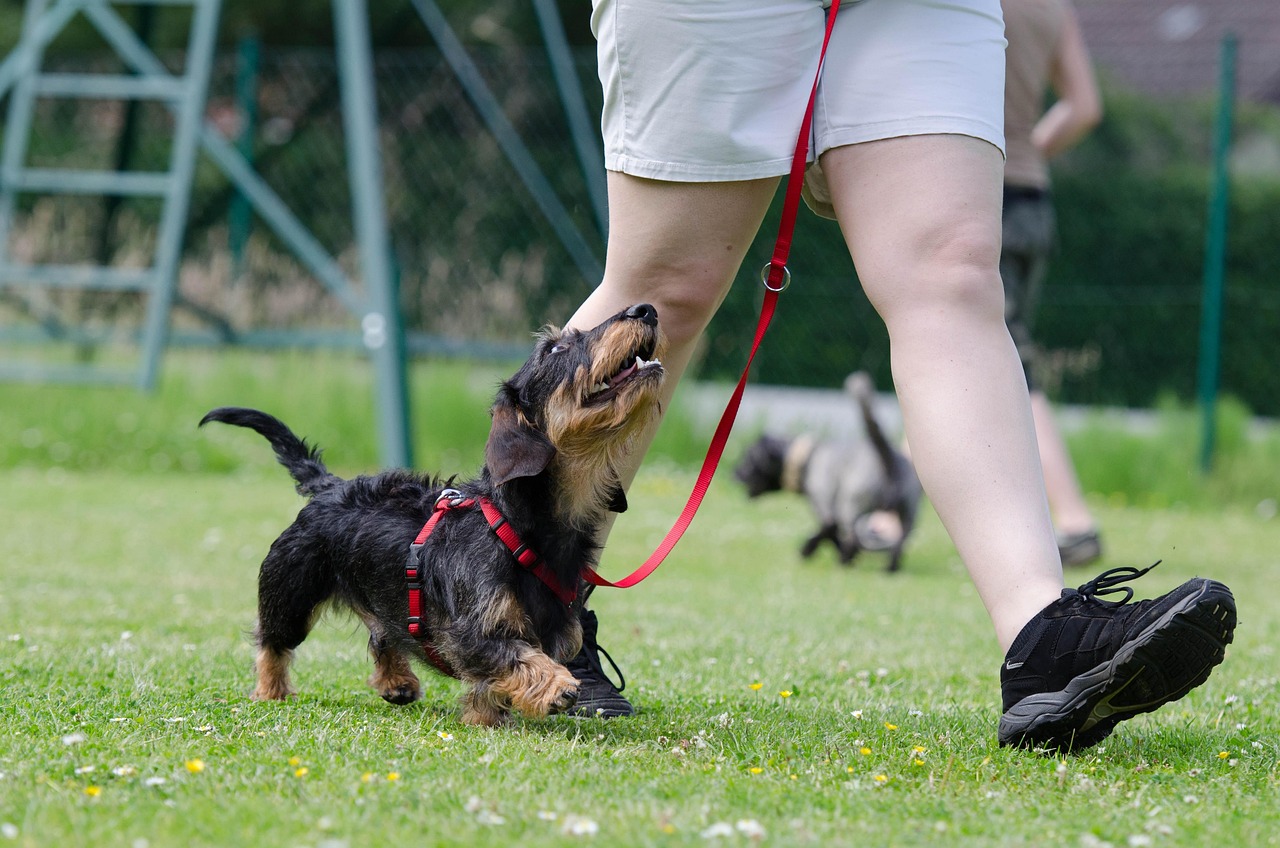
The first technique that cannot be overlooked in Treibball training is creating a strong foundation of basic commands. Before even introducing the balls, ensure your dog is fluent in commands like “sit,” “stay,” and “come.” Through this understanding, the dog will grasp more complex tasks more efficiently. Begin with light warm-ups before training. After the warm-ups, focus on leash work to keep your dog engaged with you as you navigate your training settings. Tethering your dog to a stationary object can be an effective method to reinforce commands while desensitizing them to distractions. Ensure you vary your training sessions by stepping outside the norm occasionally to maintain enthusiasm. Integrating playtime within practice avoids monotony and keeps the dog’s spirits high. Gradually introduce the balls, starting with one. Use a soft, lightweight ball so the dog feels comfortable with the new task. Consistent encouragement goes a long way, which ensures that your dog feels pride in their accomplishments. This technique produces positive results and rewards both you and your dog, leading to success in competitions and enhanced skills over time.
Building Drive and Motivation
To succeed in Treibball, building drive and motivation in your dog is crucial. Every dog has unique motivators; it could be toys, treats, or even playtime with you. Understand what excites your dog and use this to fuel their enthusiasm during training. Start by incorporating their favorite toy during training sessions. This can help your dog associate the task with fun, enhancing their eagerness to participate. When they demonstrate progress, ensure to reward with their favorite treat or extended play sessions. Another helpful trick is to practice during walks or at the park. This offers exposure to new smells, sounds, and sight, boosting stress levels if they feel overwhelmed. As training progresses, challenge your dog with new commands and distractions. This ensures sustained engagement and encourages perseverance. Incorporate shorter training sessions filled with enthusiasm. Too lengthy sessions can lead to fatigue or boredom. Experiment with different training environments to foster adaptability. This approach not only enriches their command understanding but also prepares them for real-world scenarios. A motivated dog thrives in Treibball, contributing to a strong bond and fun-filled experiences.
Furthermore, incorporating agility drills alongside Treibball training enhances your dog’s overall performance and fitness level. Use agility exercises to boost coordination, speed, and confidence. These drills teach your dog how to maneuver around obstacles, which is essential for successful Treibball play. Design a simple agility course with cones or hurdles and encourage your dog to navigate these. Introduce games like “catch me if you can” while moving through the course. This not only makes practicing fun; you also integrate essential commands like “go” and “come” with physical activity. Observe your dog’s reaction when confronted with new challenges. Starting with less complex setups and gradually progressing to more intricate designs allows you to gauge your dog’s learning curve. Practice frequently, focusing on their strengths while assisting in improving weaknesses. The agility drills should be swift and positive to maintain high energy. Always ensure adequate breaks and water, as hydration is key to a healthy training routine. With a well-rounded approach involving agility and Treibball techniques, your dog can thrive, ensuring both skills and enjoyment in training sessions.
Improving Communication and Understanding
Effective communication between you and your dog is crucial in Treibball training. Understanding each other can significantly boost your training success. Watch your dog’s body language closely; understanding signs of stress or excitement can guide your training approach. Use clear hand signals and consistent verbal commands to create a structured training environment. This not only builds recognition; it reinforces trust too. When your dog obeys commands, immediately reinforce the good behavior with praise or treats. This positive feedback encourages them to respond consistently. Take note of their reactions to your tones and phrases to improve interaction. Training sessions should not be overwhelmed with multiple commands all at once. Focus on mastering one command before introducing others. This steady approach promotes clarity and progress. Furthermore, training with a partner can enhance understanding; observe how your dog behaves with multiple human influences. Observing interactions during training can manifest deeper insights into how to optimize communication. With time and practice, you will notice an evident difference in engagement as your dog learns to anticipate commands and respond with enthusiasm.
A valuable component of Treibball training is using various types of balls and equipment. Familiarizing your dog with different sizes, textures, and colors encourages adaptability. Start with a smaller ball to ease the dog into the sport, gradually incorporating larger ones. This exposure is essential when stepping into competitions where various equipment might be utilized. Test your dog’s reaction with different surfaces, such as grass, sand, or concrete, to ensure they feel comfortable wherever they might practice. Engaging them with diverse tools like tunnels or mirrors can add interesting challenges in everyday practice. Coupling these new items with familiar commands enhances learning and excitement; dogs love new experiences! Keeping your dog curious and alert leads to a joy-filled training session. Regularly introducing surprises helps build confidence in various conditions. This technique can greatly reduce stress during competitions when unexpected elements arise. Furthermore, customizing training apparatus to fit your dog’s size ensures safety and comfort. Exploring such variables during training can prepare your dog for a successful Treibball experience, creating well-rounded and skilled participants to thrive in the sport.
Maintaining a Positive Attitude
Lastly, maintaining a positive attitude throughout Treibball training is paramount to both your and your dog’s experience. Dogs are keen observers of human emotions; a trainer’s demeanor significantly impacts their behavior. Embrace an upbeat atmosphere to encourage your dog during training. Smile and cheer them on, as it enhances their mood, which leads to better performance. Establish a ritual of rewarding your dog with affection, praise, or treats after accomplishing tasks. This reinforces a positive association with training, ensuring they view it as an enjoyable activity. When setbacks occur, which is a normal part of training, keep the attitude light-hearted. Instead of frustration, guide your dog gently through the learning curve. Celebrate minor successes to encourage persistence and resilience in your dog. Always vary your sessions to prevent boredom, infusing new elements into familiar routines. Practice should also be fun; it shouldn’t feel like a chore! This positive training atmosphere leads to a solid bond between you and your dog. A happy, engaged dog is far more successful, making each step of Treibball training a rewarding journey filled with growth, joy, and memorable moments.
As you embark on this Treibball journey, remember that the techniques applied hold the power to be game changers! Learning is truly a mutual process that strengthens relationships while expanding necessary skills. Enjoy the time spent together while watching your dog evolve into a team player who excels in Treibball. Progress every week ensures improvement, so embrace the journey ahead. Consistent engagement and collaboration with your furry companion lead to impactful experiences. Revel in the fruits of your labor, as they showcase the growth in both your abilities as a trainer as well as your dog’s accomplishments. Invest your time wisely and approach each new day with an opportunity to learn further techniques and practices beneficial for Treibball. Experience the joy that comes with seeing your furry friend advance with you. Overall, Treibball is all about fun, mastery, learning, and creating lasting memories. So gear up, head on out, and enjoy every moment. Make it a memorable adventure that reinforces both training accomplishments. Be confident that with the right dedication, your teamwork will shine, not just in practice but in competitions as well.