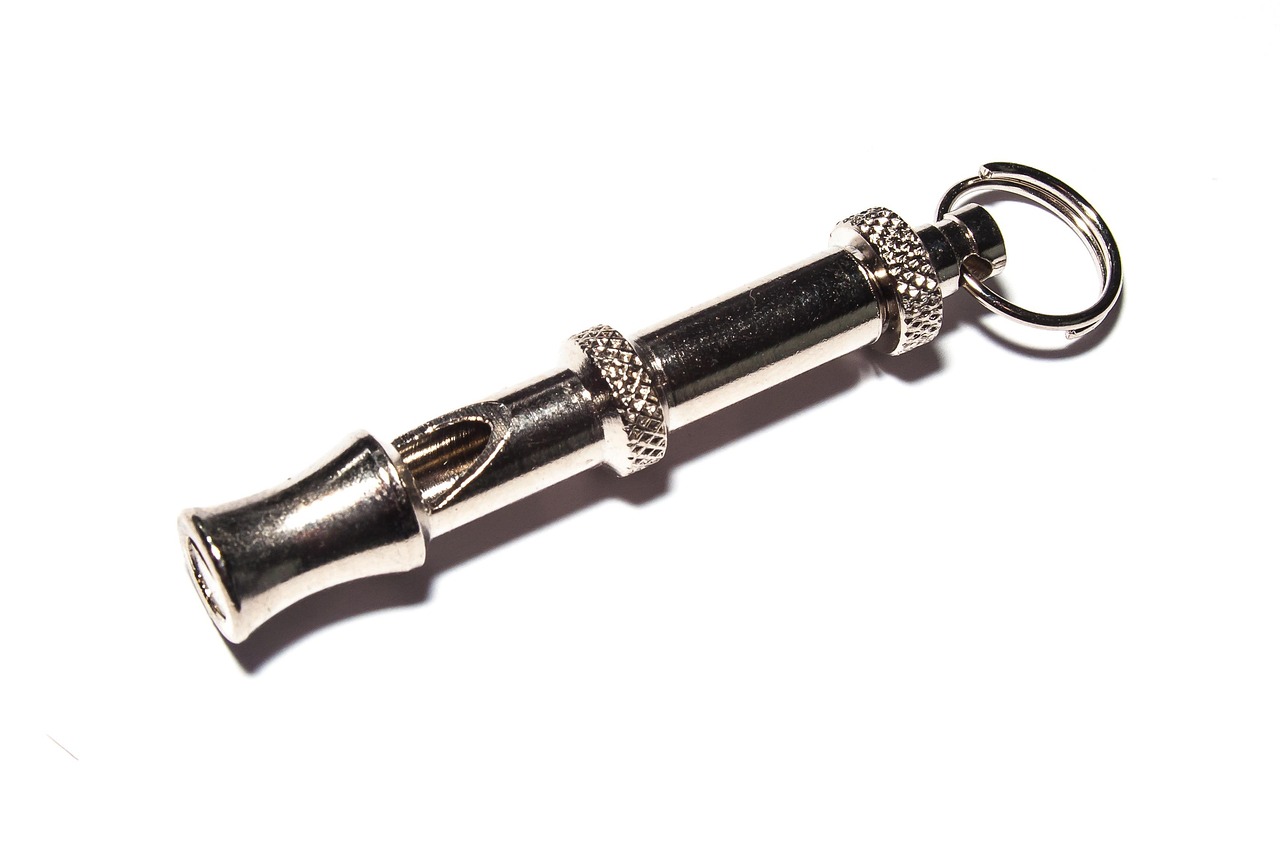

Incorporating Whistle Training into Agility and Obedience Routines
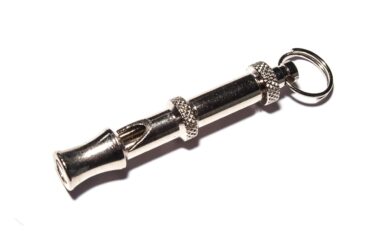
Dog training requires consistent methods and tools to achieve success. One of the most effective tools in training is the whistle. Dog training whistles emit a sound that carries far and can be heard over distractions. This makes them essential for training in both agility and obedience. The whistle allows for clear communication between the handler and the dog, ensuring that commands are understood over distances. In agility training, the whistle can signal specific actions, helping in guiding the dog through obstacle courses. Keeping commands easy and consistent, using the whistle can create a bond of trust and responsiveness. Additionally, the whistle can aid in off-leash training, where voice commands may be less effective. Timing is crucial in dog training; utilizing a whistle helps in achieving the right timing for commands sent during training sessions. Furthermore, integrating a whistle into the routine can help dogs learn to respond to the sound, associating it with positive reinforcement such as treats. Thus, the strategic use of a dog whistle contributes to efficient training progress, enhancing both agility and obedience capabilities in your canine companion.
When starting with a dog whistle, it’s important to familiarize your dog with its sound without any pressure. Initially, allow your dog to hear the whistle while offering a treat simultaneously to create a positive association. Repeating this process establishes a solid foundation for further commands. Once your dog confidently associates the whistle with a reward, you should then begin using it more strategically. Progress to using the whistle during obedience training sessions. At this stage, you might consider introducing basic commands such as “sit” or “stay” along with the whistle sound. When your dog successfully follows the command after hearing the whistle, remember to immediately reward them. This reinforces the behavior, making it more likely to be repeated in the future. Consistency in the sound of the whistle is crucial; using the same tone will help your dog understand exactly what is expected each time. Transitioning from obedience to agility training, using the whistle can become a key tool, guiding your dog through unpredictable obstacles, and refining their skills for competitions or play. Involving the whistle in agility setups can promote a playful training environment that enriches the dog’s learning curve.
In addition to its usage for obedience and agility, the whistle can also serve as an effective tool for recall training. Teaching your dog to return when prompted can sometimes be challenging, especially in an open space. The whistle provides a consistent sound that can travel further than a human voice. Begin practicing recall in a quiet environment, gradually increasing distractions to help your dog understand the importance of returning when called. Each time your dog comes back to you after hearing the whistle, it’s vital to offer reinforcement to create a positive experience. Integrating the whistle into both obedience and recall commands allows your dog to recognize it as a cue for various behaviors. This versatility enhances your control over your dog during training sessions with varied activities. Moreover, it prepares them for different scenarios they might face in real-life situations. In busy or distracting environments, using a whistle might be the key to maintaining a reliable dog response. Over time, your dog will learn to associate the whistle sound with different actions, improving overall responsiveness and focus. The dog training whistle truly proves to be a multifaceted tool, vital in various training circumstances.
Positive Reinforcement and Whistle Training
The effectiveness of whistle training is significantly enhanced when combined with positive reinforcement strategies. When using a whistle, always pair it with social rewards, such as praise or treats, to strengthen the connection your dog has with the action or command. This emotional connection plays a significant role in encouraging desired behaviors during both agility and obedience training. Whenever you blow the whistle, make sure that a positive experience follows directly afterward. This reinforcement helps your dog to understand the importance of responding quickly and correctly to the cues provided. Positive reinforcement not only boosts your dog’s confidence but also makes training enjoyable. Emphasizing repetitive practice in short sessions creates a fun and engaging atmosphere, encouraging your dog to look forward to training times. As your dog becomes more attuned to the whistle signal, you can gradually decrease the treats while maintaining verbal praise to continue reinforcing the right behaviors. This method solidifies the bond between handler and dog, making the training sessions productive and positive. Whistle training thus flourishes in an environment filled with encouragement and the dog’s natural drive to impress their handler.
Consistency is crucial in any dog training regimen, particularly when using a dog whistle. Establish a training routine where the whistle is used predictably during your sessions. Dogs are creatures of habit, and incorporating whistles into daily training practices helps reinforce learning. This repetition creates familiarity, thereby increasing the likelihood of your dog responding faster to commands. Begin with a simple practice routine focusing on basic commands initially. Over time, expand this routine to include agility exercises that involve more complex movements and cues. Changing the format and introducing new challenges keeps training sessions from becoming monotonous. However, it remains important to consistently apply the whistle throughout these various training stages. Additionally, vary the environments in which you practice, enabling your dog to adapt to different contexts and distractions. Practicing in multiple settings while consistently using the whistle aids in solidifying understanding and reliability regardless of the surroundings. By ensuring consistency in your whistle command and handling practices, you will notice improvements in your dog’s speed and precision in responding, ultimately leading to a successful training experience that builds skills effectively.
Incorporating the whistle into playtime activities can also have tremendous benefits for strengthening training outcomes. Engaging with your dog while using the whistle during outdoor adventures can serve as practical training for obedience and recall. For instance, during fetch games, intersperse whistle commands to signal when it’s time to return with the toy. This adds an element of training into play, reinforcing positive behaviors while having fun. Additionally, you can create obstacle challenges in the yard or park that call for specific commands associated with the whistle. Transforming traditional games into training exercises not only keeps your dog entertained but offers a multidimensional learning platform that enhances their understanding. Likewise, using the whistle in spontaneous situations, such as during social gatherings or interactions with other dogs, prepares your dog for real-life encounters. The association built between fun and training serves to improve your dog’s responsiveness to commands. Combining play with whistle training melds fun and discipline, presenting a smooth transition to agility sessions while continually reinforcing obedience behaviors. This strategy emphasizes the importance of keeping the training environment dynamic and enjoyable for both dog and handler alike.
Conclusion: The Future of Whistle Training
Whistle training is undoubtedly a valuable asset for every dog owner seeking to enhance agility and obedience in their dogs. The combination of consistency, positive reinforcement, and creative application proves essential for achieving success in training. As trainers and handlers, adapting and expanding on traditional training methods, like whistle usage, keeps the training process dynamic and engaging. The connection built through effective whistle training improves both communication and responsiveness, which benefits the owner-dog relationship. Utilizing the whistle effectively not only provides clarity during training but also makes daily walks and outings enjoyable by enhancing control in various situations. Moving forward, it will be important to integrate this tool into training plans designed to address each dog’s unique needs and behavior patterns. Experimenting with innovative applications in your training regimen keeps both handler and dog actively involved and invested in the learning process. As dog training continues evolving, embracing tools like whistles demostrates a proactive approach to achieving excellence in obedience training. Ultimately, your dog will flourish with the right guidance, turning into a well-trained, responsive canine companion that excels in various environments and activities.
Motivating your dog through varied scenarios equips them to adapt and thrive in real-world conditions. Whether using a whistle during routine commands, agility exercises, or play sessions, adding this technique has tremendous benefits for developing and exploring your dog’s potential. With patience and practice, you can foster an environment that encourages learning and obedience consistently. This approach leads to a happier, well-adjusted pup that understands commands and builds a strong bond with the handler. Understanding your dog’s learning style can further enhance success. Not all dogs respond the same way to training cues, so tailoring your whistle usage according to their preferences can improve outcomes. Observing their reactions allows you to adjust your approach, ensuring the training remains effective and enjoyable. Training sessions can be both productive and entertaining, paving the way for a well-disciplined dog that successfully navigates through daily life challenges. As confidence in whistle use grows, expect to witness lasting improvements in your dog’s behavior and agility. Therefore, when done correctly, whistle training will yield remarkable results that positively impact your relationship with your furry friend, nurturing a supportive environment for growth.