
Dog Training Basics: Using Puppy Proofing as Part of Training
Puppy proofing your home is essential when you bring a new puppy into your life. This process involves evaluating each room carefully and identifying potential dangers your puppy could encounter. Consider common hazards such as electrical cords, toxic plants, and small items that can be swallowed. Ensuring your puppy’s safety requires proactive measures to create a secure environment. Removing harmful items from accessible areas is a good first step. Additionally, puppy proofing utilizes gates or barriers to limit your puppy’s access to certain parts of the house. Designating a safe space with comfortable bedding and toys is crucial in giving your puppy a sense of security. Remember that your puppy will explore everything with a curious nose and mouth. By controlling their environment, you can reduce the likelihood of accidents occurring. You’ll find that a safe space encourages positive behaviors and aids in training. One idea is to keep an eye out for chew-proof containers for items such as toys or chews that may risk being destroyed. These preparations will help you establish a nurturing environment that also emphasizes dog training techniques.
Effective puppy proofing also involves training your puppy to understand boundaries. Consistent commands and positive reinforcement enhance their ability to follow rules in the home. Begin with teaching commands such as “leave it” or “no.” Utilizing treats as rewards can encourage your puppy to respond appropriately. Encourage good behavior by promoting safe toys while discouraging everything else they might find seductive. Using a crate can be an effective training tool, allowing your puppy to learn that some areas are off-limits. Additionally, redirect their attention when they approach items they shouldn’t engage with, praising them when they choose their toys instead. Adjusting furniture arrangements may also help. For instance, move plants or decorative items to higher shelves to prevent temptation. Puppy proofing hinges closely on the idea that training goes beyond just commands; it’s about creating a structured environment for learning. Establish routines that include specific playtimes and exercise to strengthen the bond between you and your puppy. This connection can enhance their training experience and promote a happier, healthier life together. Remember to be patient during this process, as puppies often require time to adjust and learn about their new homes.
Establishing a Safe Environment
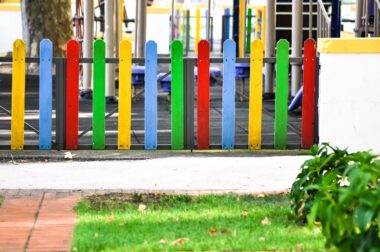
Establishing a safe environment is crucial for successful puppy proofing. Start by assessing the layout of your home and identifying high-risk areas. Ensure to remove any small objects that puppies can chew on or swallow, as ingesting these items may pose health risks. Next, consider using child-proof locks on cabinets and drawers that contain cleaning supplies or other hazardous substances, as those items must be strictly off-limits. Installing gates at entryways can also help manage your puppy’s freedom, keeping them confined to puppy-proofed spaces. When outdoors, make sure to maintain a secure fence to prevent your puppy from escaping, and always supervise outdoor play. Puppies can also find their way into trouble, so investing in safety gear for your yard may add protection. Safety extends to the floors as well; choosing non-slip mats can help prevent accidents as puppies navigate their new world. Additionally, consider the types of furniture you have and how accessible they may be to a curious puppy. Remember that the goal of puppy proofing is to support a safe and enriching living environment for your furry friend.
Once your home environment is puppy-proofed, maintain vigilance during the training process. Supervision is necessary, especially during the initial days of bringing your puppy home. Monitor their behaviors and redirect them if they engage in unwanted chewing or exploration. This active supervision allows you to intervene before accidents happen, reinforcing the idea of boundaries. Gradually introduce your puppy to different areas of your home while managing their interactions with objects. Maintain consistency in your training approach, using the same phrases or commands each time. This will help solidify your puppy’s understanding over time. Keeping a routine sets clear expectations for your puppy, which can help boost their confidence. Likewise, provide plenty of opportunities for exercise to keep your puppy engaged and to reduce unwanted behaviors. Socialization is another crucial aspect of training. Introducing your puppy to various people and environments allows them to adapt to different situations, reducing fearfulness and increasing adaptability. Building a solid foundation during these early months will pave the way for a well-adjusted adult dog. Your commitment to puppy proofing and ongoing training will foster a harmonious home.
Utilizing Positive Reinforcement
Incorporating positive reinforcement into puppy proofing and training is essential. Using rewards to encourage desirable behaviors empowers puppies and motivates them to learn. When your puppy opts for their toy instead of investigating a harmful item, immediately reward them with praise and a treat. This consistency helps solidify their understanding of what behaviors are expected and encouraged. Additionally, be sure to reward calm behavior when your puppy is in areas of the house that may tempt them to misbehave. Maintaining a praise-based approach ensures training remains enjoyable for them. It’s fundamental to communicate openly with your puppy during training sessions; a calm and clear voice conveys confidence and sets a positive tone for learning. If your puppy struggles with commands, consider experimenting with different styles to keep training dynamic and engaging. Mixing up treat options or using toys as rewards can often rekindle their interest. Remember to be patient and adjust based on your puppy’s unique personality. Your puppy’s training journey is a team effort, reflecting both their progress and the enduring bond that develops from the experience. Active involvement fosters trust and communication between you and your puppy, essential for lasting companionship.
The rewards of effective puppy proofing extend beyond creating a safe environment; it significantly impacts your dog’s overall development. A well-trained puppy grows into a confident, well-adjusted adult dog, and ensuring their safety from the start sets the groundwork for successful training. A structured environment allows your puppy to learn while exploring securely. Their confidence builds as they navigate and interact with their space without fear of injury. Additionally, adequate puppy proofing demonstrates responsible pet ownership and reflects your commitment to providing a stable home. Other aspects to consider include socialization with other pets and people, exposure to varied environments, and getting accustomed to different sounds. Regular training sessions can turn into enjoyable bonding experiences as you spend quality time with your puppy. Engaging in activities such as obedience classes can also enhance their social skills and behavior. Consider ways to integrate fun training games into your daily routine to keep your puppy engaged and excited. This approach reinforces learning through play, fostering a curious and enthusiastic approach to their education while enjoying every moment together.
Conclusion and Next Steps
In conclusion, effective puppy proofing is a cornerstone of the training process for your new furry friend. Taking the time to create a safe environment not only prevents accidents but also enhances learning opportunities. Encouraging positive behaviors while offering a secure space fosters your puppy’s ability to learn and adapt. Remember, the journey is about building a strong bond with your puppy that lasts a lifetime. Be patient as you navigate challenges and celebrate successes together. Continually assess and adjust your puppy proofing strategies as your puppy matures and their needs change. Consider seeking guidance from professional trainers if you encounter difficulties, ensuring you’re equipped with the right tools and knowledge for success. Lastly, enjoy the process—puppy training not only sets the stage for behavior correction but is also a chance for shared joy while creating lifelong memories together. Explore various activities, attend training workshops, and connect with other pet owners to gain insights and support. A well-trained, happy puppy will repay your hard work with unwavering loyalty and love throughout their life.
Let’s delve deeper into the puppy proofing aspect of dog training. Recovery from this busy, energetic phase is vital, emphasizing the balance between discipline and fun. Involving friends and family in pet training efforts can promote teamwork, which reinforces training consistency. Additionally, observing how others handle their pets can offer alternative approaches that may resonate better with your situation. Sharing experiences with a community can assist in dealing with challenges that come up during initial training. Consider participating in local puppy training classes where socialization with other dogs can be beneficial. These environments help expose your puppy to new experiences while enhancing their social skills. Always remember to reward good behaviors during these outings, as it boosts their confidence. Building the right foundation early on means fewer behavioral issues will arise later in life, leading to a harmonious lifestyle for both you and your puppy. While challenges may arise, be assured that consistent training rooted in puppy proofing creates positive outcomes. Staying committed to this journey fosters growth and companionship between you and your precious puppy.