
Avoiding Bacterial Contamination in Your Cat’s Meals
Keeping your cat’s food safe from bacterial contamination is a critical responsibility for cat owners. This involves understanding the various ways in which bacteria can enter your cat’s meals and how to prevent these situations. Bacteria such as Salmonella and E. coli pose risks not only to your beloved pet but also to you as the caregiver. Using proper hygiene when handling cat food is essential. Always wash your hands before and after preparing your cat’s meals, ensuring that all surfaces, utensils, and feeding bowls are clean. This preventive measure significantly minimizes the chances of bacteria transferring onto the food. Additionally, it’s crucial to monitor the expiration dates on food packages, as expired food can harbor harmful bacteria. Also, consider the storage method; keep food in a cool, dry place, sealed tightly. This will preserve its freshness while reducing the risk of any bacterial growth. Ultimately, a clean environment will lead to a cleaner meal for your cat. By prioritizing these actions, you ensure not only the health of your cat but also peace of mind for yourself.
One significant aspect of preventing bacterial contamination involves understanding the importance of food preparation. When preparing your cat’s meals, always separate raw ingredients from cooked items. This separation reduces the risk of cross-contamination. Use separate cutting boards for raw meat versus other meal components to further enhance food safety practices. Always cook any homemade meals thoroughly and check that meat is cooked prior to serving; undercooked meat can carry dangerous bacteria. After meal preparation, clean any surfaces and utensils meticulously using hot, soapy water. Focus on areas that are prone to contact with food, as bacteria thrive in neglected spaces. Moreover, feeding your cat meals immediately after preparation minimizes any risk of bacterial growth in the short time between preparation and serving. If making food in batches, ensure you’re refrigerating portions not being served right away, as neglect can introduce harmful bacteria during cooling. In fulfilling these steps diligently, you’ll ensure nutritious, safe meals for your pet while fostering a healthy living environment.
Choosing Safe Ingredients
Selecting high-quality ingredients for your cat’s meals is equally vital. Whenever possible, opt for fresh, whole foods that are free from artificial additives, preservatives, and fillers. Many of these additional components can compromise the quality of the food and potentially introduce harmful ingredients. Look to include organic options if available, as they generally undergo stricter safety regulations. These regulations help minimize the risk of bacterial contamination, ensuring a cleaner source of nutrition for your pet. Additionally, consider sourcing proteins and grains from reputable suppliers who adhere to high safety standards. Avoid purchasing ingredients from unknown or unreliable sources, as these may have a higher chance of contamination. Also, familiarize yourself with safe foods for cats; avoid certain human foods like onions, garlic, and chocolate, which pose risks. Always do a bit of research to ensure the safety of new ingredients before adding them to your cat’s diet. Awareness and caution go a long way in securing your cat’s health through their meals.
Proper storage techniques play a crucial role in food safety for your cat. Once you’ve purchased your cat’s food, ensure it is stored in safe conditions. Dry food should remain in its original packaging or transferred to an airtight container to keep moisture and bacteria at bay. Pay attention to the container material; glass or food-grade plastic is recommended. For wet food, always store opened cans in the refrigerator and use them within the time specified on the label. Unopened cans can be stored in a cool, dark place until you’re ready to use them. Additionally, keep all pet food away from potential contamination zones, such as under sinks or near trash bins. Make sure to regularly check the food for any signs of spoilage, such as unpleasant odors or mold. By actively managing how your cat’s food is stored, you contribute to its safety and quality, ensuring that your furry friend enjoys only the best in nutrition and wellness.
Feeding Hygiene Practices
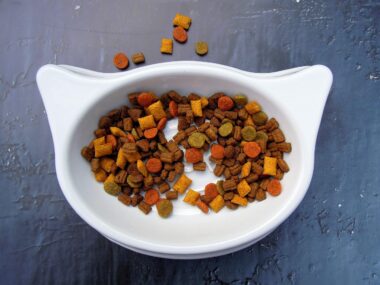
Adopting strict hygiene practices during feeding can significantly minimize bacterial contamination. Ensure you thoroughly wash your cat’s food and water bowls daily, as residual food particles can harbor bacteria if not cleaned properly. After washing, let the bowls air dry, rather than using a towel, which could introduce additional bacteria. It’s advisable to have separate bowls for food and water to avoid cross-contamination. Every time you refill the water bowl, inspect for any debris or dirt; fresh water is crucial for your cat’s hydration and health. If you notice slime or an unusual odor, clean the bowl more frequently. Pay attention to whether your cat refuses to eat, as this might indicate that the bowl is not clean enough for them. Always keep feeding areas clean and tidy by removing any spilled food or treats promptly. By fostering a continuous check on the feeding environment and equipment, you create a safe space for your cat to enjoy their meals without the risk of illness.
When introducing new foods to your cat, proceed with caution. Monitor your pet for any signs of gastrointestinal upset, which could indicate possible reactions to new ingredients. Gradually introduce new foods over several days by mixing a small amount with their usual diet. This process allows your cat’s digestive system to adjust and helps identify potential food sensitivities. Furthermore, consult your veterinarian before making any significant changes to your cat’s diet, especially if they have pre-existing conditions or dietary restrictions. The vet can offer guidance on safe transitions and recommend the best nutrition strategies for your cat’s unique needs. When trying home-cooked meals, work closely with a veterinarian or pet nutritionist to formulate a balanced diet that meets your cat’s nutritional requirements. Achieving balance is key; underfeeding or overfeeding can lead to health issues and is counterproductive in your efforts to keep your pet safe. By being vigilant and informed about dietary changes, you ensure your cat’s meals support their overall health.
Conclusion: Prioritizing Food Safety
Ultimately, prioritizing food safety in your cat’s meals is a worthy commitment that entails regular attention and knowledge. Remember that it’s not only about the food itself, but also the environment in which it’s prepared and stored. Consistently practicing safe food handling techniques assures that your furry companion remains healthy and happy. By committing to these outlined practices, you create a nurturing food experience for your cat while protecting them against the potential harms of bacterial contamination. The effort you put into ensuring their meals are safe is a direct reflection of your love and concern for their well-being. As we continue to explore cat nutrition, let’s emphasize knowledge sharing among pet owners. This awareness boosts collective responsibility for cat health and can lead to countless safe feeding practices in homes. Your diligence in food safety will pay off in the long run, nurturing your cat’s life and enhancing the bond you share. Remember always that the health of your cat begins in their food bowl, emphasizing the importance of your role in their nutrition.
Understanding the importance of bacterial contamination prevention in your cat’s meals is paramount. It involves proper hygiene, safe ingredient selection, and attention to preparation and storage methods. A proactive approach ensures a happy, healthy life for your feline companion.