
Using Treats to Encourage Cat Exercise
Are you struggling to motivate your lazy cat to exercise? Treats can be a great solution to entice your feline friend into more active play. First, you need to choose the right treats. Select healthy and appealing snacks, such as freeze-dried meat or crunchy kibble. These treats can be irresistible for many cats. Next, incorporate treats during playtime activities to create a connection between exercise and rewards. Rattling a toy filled with treats can pique your cat’s interest and stimulate their natural hunting instincts. You can also hide treats around the house to encourage exploration and movement. By incentivizing your cat with treats, you are not only making exercise fun but also reinforcing positive behavior. It’s essential to maintain a balanced diet, so keep the treat portions small. Consider using them as part of their daily meal allowance to avoid overfeeding. Regular exercise helps improve their health and well-being. Ultimately, the goal is to foster a love for play, enhancing your cat’s overall lifestyle, ensuring they remain fit and healthy for years to come. Enjoy the joyful moments together while promoting an active lifestyle!
Setting goals is also a key aspect of motivating your lazy cat to exercise. Start by observing their current behavior to determine achievable objectives. Gradually increase their activity levels. For instance, if your cat enjoys chasing toys, aim to play for longer periods each day. Establishing a routine can greatly help in creating consistency. Try integrating short play sessions throughout the day, particularly during times when your cat is most energetic. Use interactive toys or laser pointers to maintain their interest. These types of activities stimulate your cat’s mind and body, making it easier for them to participate. Make sure to celebrate their success, even the small achievements. Give plenty of praise and cuddles to reinforce positive associations with playtime. This encouragement can motivate them to engage more during future sessions. Also, consider enlisting family members or friends for group playdates. Social interactions can benefit your feline companion. Together, you create a lively environment for fun and exercise. Be patient, as some cats may take longer to adjust. The primary goal is to ensure exercise becomes a fun part of their daily routine—ultimately improving their happiness.
The Right Types of Toys
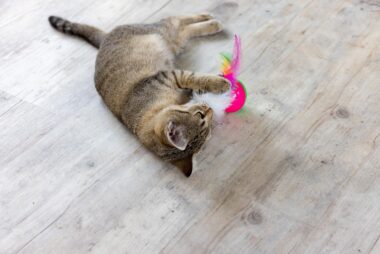
Choosing appropriate toys is essential to keep your lazy cat engaged in physical activity. Opt for toys that mimic their natural instincts, like feather wands or shiny balls. These types of toys encourage movement and can spark your cat’s playful behavior. Soft plush toys or crinkle toys can also stimulate their curiosity. Furthermore, consider investing in interactive toys that require your cat to solve puzzles to access treats. These toys offer mental stimulation in addition to physical exercise, which is beneficial for lazy cats. You can even create DIY toys using household items, such as cardboard boxes or paper bags, which can intrigue your cat and encourage movement. Rotate the toys periodically to maintain their interest; novelty can be a fantastic motivator. Always ensure the toys are safe for your cat and monitor their play to prevent any accidents. Engage them in playtime by enticing them with colorful toys while hiding treats within them. This strategy not only motivates them to exercise but also reinforces their hunting behavior. Your cat will become increasingly excited about playtime as they explore different toys to discover hidden rewards.
Beyond toys, incorporating the environment into your cat’s exercise routine can have remarkable effects. You can create an obstacle course at home that encourages your cat to jump, crawl, and explore. Use furniture, boxes, and tunnels to design a fun space. Cats inherently enjoy climbing and perching, so consider installing shelves or cat trees. These structures provide opportunities for climbing, providing both physical and mental stimulation. Additionally, creating a safe outdoor space can greatly enhance their exercise routine. If feasible, consider leveraging a secure catio (cat patio) or a leash harness system. This way, your cat can explore the outdoors safely while exercising at the same time. Supervised outdoor time can enrich their environment, leading to a more active lifestyle. Urban walks around the neighborhood may also provide mental challenges during exploration. Always take precautions to protect your cat from potential dangers, such as busy streets. Involving multiple environments for exercise not only enhances your cat’s physical activity but also provides enrichment opportunities to explore their surroundings. Different environments contribute positively to their mental well-being.
Rewarding and Positive Reinforcement
Another effective method for encouraging exercise in your lazy cat is through positive reinforcement. Establishing a reward system provides motivation for them to partake in physical activities. Whenever your cat engages in play or exercise, promptly reward them with treats or affection. This approach can strengthen the association between exercise and rewards. Keep in mind that consistency is vital; therefore, always reward them immediately to help them connect the dots. Additionally, using clicker training can enhance your ability to provide rewards effectively. This technique offers clear feedback for correct behaviors, heightening your cat’s motivation to engage. You may need to experiment with different rewards to discover what excites your individual cat most. Remember, rewards should align with their dietary restrictions. Furthermore, offering a mix of verbal praise, toys, and social interaction can deepen their engagement and encourage sustained activity. Celebrate every achievement, big or small, as this reinforces the good habits you are attempting to instill. Over time, your cat will learn to associate exercise with enjoyable experiences. Positive reinforcement can create a lasting habit, transforming laziness into fitness and fun.
It’s also critical to monitor your cat’s progress as you implement these methods for motivation. Keeping track of their activities helps you understand what’s working effectively and where adjustments may be needed. Consider maintaining a log of their playtime, interactions with toys, and treat consumption throughout the week. This can help you identify patterns in their behavior and motivate them towards more active play. Analyzing their progress enables you to celebrate improvements or tackle any areas that require more encouragement. Observing your cat’s responses to various strategies informs your methods in real-time. For example, if they seem uninterested in certain toys, it may be time to switch it up. Make exercise a part of your daily routine, emphasizing variations and new challenges to maintain their interest. Introduce surprise elements or themed days, such as ‘hunt day’ where treats are hidden around the house. Keeping it fresh makes your cat more curious and engaged. Lastly, always watch for signs of fatigue; ensure they are enjoying themselves and that play remains a delightful interaction rather than a chore, allowing genuine progress.
Creating a Balanced Routine
Finally, a balanced routine is essential for promoting long-term exercise habits in your lazy cat. Establishing consistency with daily exercise times fosters familiarity and encourages their participation. Aim for a mix of play sessions and gentle exercise activities, and remember to keep them short initially, gradually increasing the duration. Aim for at least 15 to 30 minutes of active play each day. By scheduling these sessions, your cat learns to anticipate playtime and get excited about it! Flexibility is crucial, allowing for adjustments based on your cat’s energy levels and health. Also incorporate rest periods after vigorous activity, giving them quiet time to recharge before engaging again. Monitor their body language and behavior to understand when they need time to recover. Encourage your cat’s autonomy by allowing them to choose when to initiate play — many cats prefer to engage on their terms. Overall, the goal should be to develop a lasting, enjoyable routine that keeps your cat active while strengthening your bond. This commitment to daily activity not only enhances their physical fitness but also boosts emotional health and joy.
Conclusion: Lasting Changes for Active Cats
Implementing these strategies will undoubtedly help transform your lazy cat into a more active and engaged feline. Remember, patience is key; it may take time for your cat to adapt to a more active lifestyle. Celebrate small wins along the journey and adjust your strategy based on their preferences and responses. Experiment with different treat types, toys, and activities to find what works best for your cat. Ultimately, the goal is to foster a deeper bond through shared activities. As you both embark on this journey, improvement in your cat’s health and happiness will be rewarding. Regular exercise can dramatically impact their well-being, reducing the risks of obesity-related conditions while keeping them mentally stimulated. The enrichment you provide for their life contributes positively to their overall happiness and fulfillment. As your lazy cat becomes more active, you’ll witness a more playful and energetic personality emerge. Investing time and creativity in enhancing your cat’s exercise routine benefits you both. So, embrace the joy of play, forego the frustrations, and witness the blossoming changes in your beloved companion.